
How To
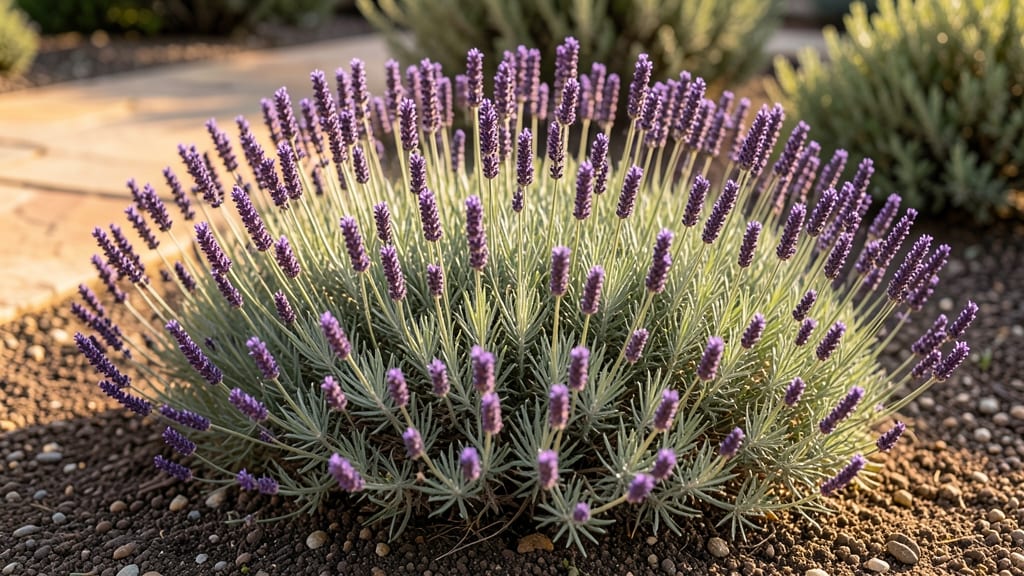
It takes lavender 1–2 years to flower after planting, but the exact timeline depends on when you planted it and your climate zone 🌿.
If you’ve planted lavender hoping for that signature purple bloom, you’re probably wondering why your garden still looks bare—lavender’s flowering timeline depends more on planting season and climate than you might think.
Spring-planted lavender in Zone 6a typically blooms in its second year, around June–August, while fall plantings may flower a bit later. The key is patience: young plants focus on root growth before producing buds.
In this guide, I’ll break down the exact months for flowering based on your planting time, share climate-specific tricks to encourage earlier blooms, and reveal the 5 pro tips that cut waiting time by up to 30%.
Lavender flowering timeline by planting season (spring vs fall)
If you planted lavender in spring, you might not see blooms until year two—but timing varies by USDA zone and care. The key difference between spring vs. fall planting lies in root establishment before winter dormancy.
Fall-planted lavender often blooms 6-12 months earlier than spring starts because it establishes roots in cooler months.
Lavender’s flowering timeline isn’t set in stone—it depends on climate zone, soil conditions, and whether you’re dealing with a first-year plant or a mature shrub.
In USDA zones 7-9, lavender typically blooms from June to August, while cooler zones (5-6) may see flowers in July to September.
| Planting Season | Root Establishment Time | First Bloom (Year 1) | Full Bloom (Year 2+) | Climate Notes |
|---|---|---|---|---|
| Spring (March-April) | 4-6 weeks | Unlikely (minimal buds) | June-August (mature) | Needs consistent watering |
| Fall (September-October) | 8-10 weeks (overwinters) | Possible (light blooms) | May-July (earlier than spring) | Dormant growth boosts roots |
| Year-Round (Zones 8-10) | 3-4 weeks | Possible (small clusters) | April-September (longer season) | Minimal winter dormancy |
For spring-planted lavender, the first year is mostly about foliage growth—you’ll see minimal buds if any. By year two, with proper care, expect full blooms from June to August in most USDA zones 7-9.
In cooler zones (5-6), flowering may shift to July-September due to delayed warmth.
Fall-planted lavender has a head start because it establishes roots during cooler months, reducing transplant shock. This means light blooms in year one (often May-June) and heavier flowers by year two. The trick? Plant 6-8 weeks before your first frost to let roots settle before winter dormancy.
In USDA zone 10, lavender can bloom year-round with minimal dormancy, but even here, spring planting yields earlier blooms (March-April) compared to fall starts. The key difference is that fall-planted lavender in warm climates may skip winter dormancy, leading to continuous light blooms.
If you’re in a coastal climate (e.g., USDA zone 8 with mild winters), lavender planted in fall might bloom as early as April of the following year. In contrast, spring-planted coastal lavender often waits until June for its first significant bloom.
The ocean breeze and moderate humidity speed up root growth in fall starts.
One common mistake is expecting immediate blooms from first-year lavender, regardless of planting season.
Even with ideal conditions, most varieties need at least 12 months to establish enough energy for full flowering. Dwarf varieties (like 'Hidcote') may bloom slightly earlier (9-11 months), but standard lavender (e.g., 'English Lavender') typically waits 18+ months.
To encourage earlier blooms, focus on well-draining soil, full sun exposure, and minimal fertilization (too much nitrogen delays flowers). Prune spent blooms in early summer to prompt second flushes in late summer, especially in warmer climates.
Avoid heavy pruning in year one—this stresses young plants and can delay flowering.
Remember: Lavender is a patient plant. While some first-year blooms are possible, don’t be discouraged if your garden stays purple-free for the first season. With proper timing and care, your second-year lavender will reward you with fragrant, abundant blooms—worth the wait! 🌿
Climate zone impact: when lavender blooms in hot, cold, OR coastal regions
Your lavender’s blooming schedule isn’t set in stone—it’s heavily influenced by your USDA climate zone. In hot zones 9-10, lavender may flower as early as late spring (April-May), while in cooler zones 5-6, buds often wait until mid-to-late summer (July-August).
Coastal regions add another twist with mild, humid air that can delay flowering until late summer or fall.
Understanding these patterns helps you adjust care routines to coax earlier blooms. For example, zone 7 gardeners often see their lavender peak in June-July, while zone 10 growers might enjoy year-round blooming with proper water management.
The key is matching your lavender variety to your local climate—English lavender thrives in cooler zones, while Spanish lavender handles heat better.
| Climate Zone | Typical Bloom Time | Microclimate Tricks | Best Variety |
|---|---|---|---|
| Zones 5-6 (Cold) | July-August | Plant near south-facing walls for extra heat; use rock mulch to protect roots. | English Lavender |
| Zones 7-8 (Moderate) | June-July | Prune early spring to encourage earlier blooming; avoid overwatering. | French Lavender |
| Zones 9-10 (Hot) | April-May (or year-round) | Plant in partial shade to prevent heat stress; water deeply but infrequently. | Spanish Lavender |
| Coastal Regions | Late Summer-Fall | Improve drainage with gravel beds; avoid morning dew exposure. | Grosso Lavender |
In hot climates (zones 9-10), lavender often blooms earlier and more frequently because the longer daylight hours trigger flowering. However, intense heat can stress plants, so I recommend partial afternoon shade during peak summer months.
For example, in zone 10 Southern California, my lavender blooms in April and again in fall if I provide light shade during July-August.
Coastal regions present unique challenges due to high humidity and salt spray, which can delay blooming until late summer or fall. To combat this, I plant lavender on elevated beds with well-draining soil and avoid overhead watering.
For instance, in coastal Oregon (zone 8), my Grosso lavender blooms in September instead of July because of the cooler, wetter summers.
If you’re in a cold zone (5-6), focus on microclimate protection like planting near stone walls or using rock mulch to insulate roots.
In zone 5 Minnesota, I’ve seen English lavender bloom in August when planted against a south-facing brick wall, which adds 5-10°F of warmth compared to open ground. Evergreen varieties also handle cold better than semi-evergreen types.
Pro tip: Prune lavender in early spring (before new growth) to encourage bushier growth and earlier blooms. In hot zones, a light summer trim can also prevent heat exhaustion while maintaining blooms.
For coastal or cold climates, avoid pruning until after flowering to protect the plant from stress.