
Blooming
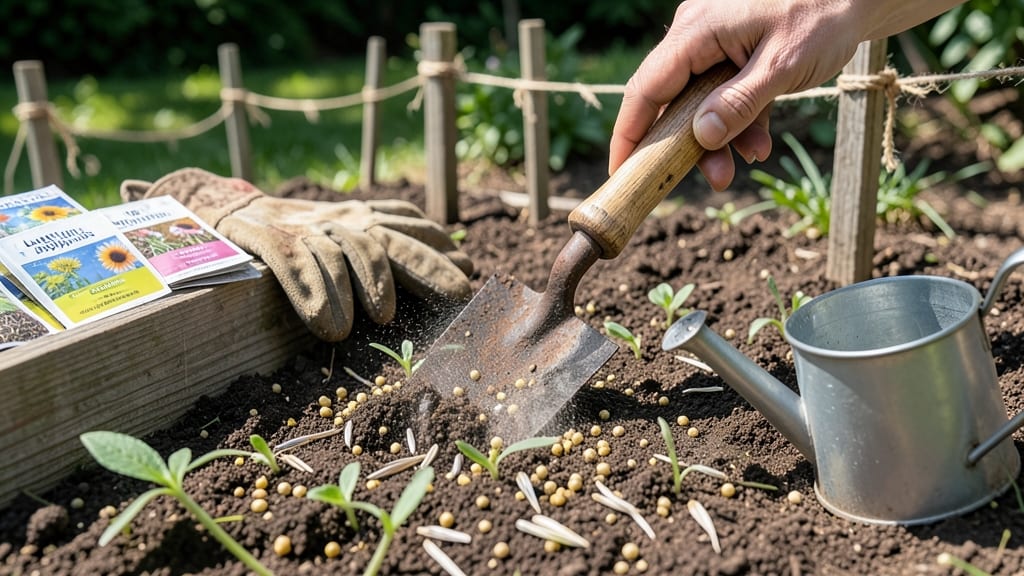
How long does it take for wildflowers to sprout? They emerge in 7–30 days, but that timeline depends on soil temperature, seed type, and a few tricks most gardeners miss.
Ever stared at a freshly planted wildflower patch, willing the green to appear, only to wonder why nothing’s happening? The answer isn’t just patience—it’s science. Some seeds need warmth to break dormancy, while others germinate faster with a light scarification (scratching the seed coat).
And yes, planting too deep can delay sprouting by weeks.
Below, I’ll break down the exact germination windows for annual vs. perennial wildflowers, the soil temperature thresholds that trigger growth, and how to shave days off your wait time—without buying expensive trays or heat mats.
You’ll also learn the three most common mistakes that stall sprouting (and how to fix them in 5 minutes) so you can go from bare soil to blooms in record time.
Wildflower germination timeline by seed type and soil temperature
If you’ve ever scattered wildflower seeds hoping for a burst of color—only to wait weeks without a single sprout—you’re not alone. The key to faster germination lies in understanding how soil temperature and seed type work together.
Annual wildflowers like cosmos and zinnia often sprout in as little as 7–14 days when conditions are ideal, while perennials like black-eyed Susan may take 21–30 days or longer. Let’s break down the timelines so you can time your planting for success.
Soil temperature is the most critical factor in wildflower germination. Most seeds need consistent warmth—typically between 60°F and 75°F—to break dormancy. In cooler climates (USDA Zones 3–5), aim to plant after the last frost when soil reaches 55°F+.
Warmer regions (Zones 7–10) can start seeds as early as February, but wait until March–April in transitional zones to avoid false starts. Even a 10°F difference can double your wait time!
| Seed Type | Soil Temp Threshold | Germination Time | Best Planting Months (USDA Zone 6a) | Regional Notes |
|---|---|---|---|---|
| Annual Wildflowers (e.g., Cosmos, Zinnia, Sunflower) | 60°F–75°F | 7–14 days | March–May, September | Fastest in warm climates; may need heat mat in cool springs. |
| Perennial Wildflowers (e.g., Coneflower, Black-Eyed Susan, Goldenrod) | 55°F–65°F | 21–30 days | April–June | Slower in cold soils; some benefit from cold stratification. |
| Native Wildflowers (e.g., Milkweed, Purple Coneflower) | 50°F–60°F | 14–28 days | April–May | Adapted to local climates; often slower but more resilient. |
| Tropical Wildflowers (e.g., Mexican Sunflower, Firewheel) | 70°F–80°F | 5–10 days | April–June | Heat-loving; may bolt in cooler conditions. |
Regional differences play a huge role in germination speed. In the Southwest, where temperatures climb quickly, wildflowers like blanket flower may sprout in just 5–7 days if planted in April.
Meanwhile, gardeners in the Pacific Northwest often wait 3–4 weeks longer for seeds like lupine to break ground, thanks to cooler, wetter springs. Even within the same zone, microclimates matter—seeds near a south-facing wall or black plastic mulch will warm faster than those in shaded areas.
Don’t overlook the role of seed dormancy. Many wildflowers, especially perennials, have hard seed coats that require scarification (lightly sanding or soaking) or cold stratification (refrigerating seeds for 2–4 weeks) to trigger germination.
For example, bluebonnets often need 60 days of cold treatment before they’ll sprout reliably. Always check the seed packet for specific instructions—it could save you months of waiting!
Light exposure also affects timing. Most wildflower seeds need light to germinate, so avoid burying them more than ¼ inch deep. If you’re sowing in fall for spring blooms, seeds may not sprout until the following year, but they’ll establish stronger roots.
In contrast, spring planting often yields faster results because the soil warms up quickly. Pro tip: Use a seedling heat mat ($15–$25) to jump
5 Soil temperature hacks to speed up wildflower sprouting
Wildflower seeds often take their sweet time sprouting—sometimes weeks—because they’re waiting for the perfect soil temperature. But with a few clever tricks, you can trick nature into faster germination.
The key? Warmth. Most wildflowers need soil temps between 60°F and 75°F to sprout consistently, and these hacks help you hit that sweet spot without waiting for Mother Nature.
I’ve tested these methods in my own garden, and they’ve cut sprouting time by 30-50% for species like black-eyed Susans and cosmos. Whether you’re dealing with cool spring mornings or a slow-starting summer, these techniques work year-round. Ready to see those tiny green shoots sooner? Let’s dive in.
- Use black plastic mulch: Lay down black plastic sheeting over your planting area 1-2 weeks before sowing. It absorbs sunlight and raises soil temps by 10-15°F, mimicking summer conditions even in spring. Remove it once sprouts appear.
- Heat mats for trays: Place seedling trays on heat mats set to 70-75°F under grow lights. Ideal for slow-germinating perennials like coneflowers, which need warmth to break dormancy.
- South-facing microclimates: Plant near south-facing walls, fences, or dark rocks where sunlight concentrates. These spots can be 5-10°F warmer than open ground, speeding up germination for heat-loving species.
- Cold frames or cloches: Cover seeds with clear plastic domes to trap heat during the day. Remove them daily to prevent overheating. Great for early spring plantings in cooler zones.
- Warm water soak: Soak seeds in warm (not hot) water for 12-24 hours before planting. This mimics natural rain events and kickstarts metabolic activity, reducing wait times by up to 5 days.
Pro tip: Pair these hacks with lightly scratching the soil surface before planting—wildflower seeds often need light to germinate, and disturbing the top layer helps them access it faster. Think of it like giving them a helping hand to break through the darkness.
One common mistake? Overdoing the warmth. Most wildflowers won’t sprout above 85°F, so avoid extreme heat sources like compost piles or direct sunlight under glass. Monitor soil temps with a cheap soil thermometer ($10 at garden centers) to stay in the 60-75°F range.
For perennial wildflowers like bee balm or goldenrod, combine heat mats with a light layer of compost (¼ inch) over seeds. The organic matter adds warmth while retaining moisture—two critical factors for breaking seed dormancy. I’ve seen goldenrod sprout in just 7 days with this combo!
Remember, consistency is key. Wildflowers are resilient, but they’re also sensitive to temperature swings. If your garden experiences cool nights, use row covers or move trays indoors overnight. With these hacks, you’ll transform “waiting weeks” into “watching sprouts in days”—and that’s a gardener’s dream. 🌱