
Propagation
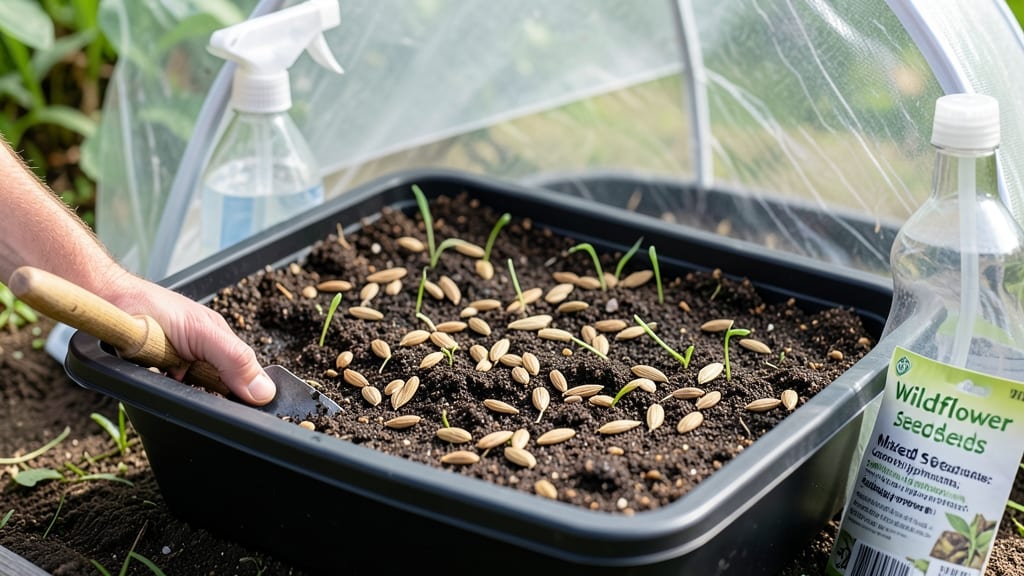
Wildflowers germinate in 7 to 21 days for most annual varieties, though some perennials can take up to 60 days or longer to show their first green shoots.
Waiting for wildflowers to bloom can feel like an eternity—but did you know some varieties sprout in just 7 days? Understanding germination timelines helps you plan your garden for vibrant, timely blooms without the guesswork.
Soil temperature, moisture levels, and even seed type play a huge role in how quickly those tiny 🌼 seeds break through the soil. Annuals like cosmos and zinnias often pop up faster, while native perennials may need patience—or a little extra care to speed things along.
Below, I’ll break down the fastest and slowest bloomers, share proven tricks to cut germination time in half, and help you avoid common pitfalls that leave you staring at bare soil for weeks.
Wildflower germination times by type: fastest to slowest bloomers
Understanding wildflower germination times transforms your garden planning from guesswork to precision. Some varieties like cosmos and zinnia sprout in just 7-10 days, while native perennials such as black-eyed susans may take 60+ days.
These differences stem from their natural growth cycles and adaptations to climate. Knowing these timelines helps you schedule plantings for continuous blooms throughout the season.
Fast germinators like annual wildflowers thrive in warm soil conditions (60-75°F) and often appear within 2-3 weeks. In contrast, perennial wildflowers and many native species require cold stratification or specific moisture levels, extending their germination window to 4-12 weeks.
Even within these categories, hybrids and cultivated varieties may deviate from their wild counterparts.
Climate plays a critical role in germination speed. In arid regions, seeds may remain dormant until rainfall triggers sprouting, while humid climates can accelerate the process.
For example, sunflowers in the Southwest might take 14-21 days to germinate, whereas the same variety in the Pacific Northwest could stretch to 28 days due to cooler temperatures.
Here’s a quick breakdown of what to expect based on wildflower type:
| Wildflower Type | Germination Time | Climate Adaptation | Best Planting Time |
|---|---|---|---|
| Fast Annuals (Cosmos, Zinnia, Sunflower) | 7-14 days | Warm soil (60-75°F), full sun | After last frost (spring) or late summer |
| Moderate Annuals (Marigold, Snapdragon, Poppy) | 14-21 days | Moderate moisture, well-draining soil | Spring or fall (avoid extreme heat) |
| Slow Perennials (Black-Eyed Susan, Coneflower) | 21-60+ days | Cold stratification (some), drought-tolerant | Early spring or fall (6-8 weeks before frost) |
| Native Wildflowers (Milkweed, Goldenrod, Lupine) | 28-90+ days | Dormant in dry/hot conditions, slow starters | Late summer/fall (mimics natural cycles) |
| Hybrid Varieties (Double-Bloom Poppies, Improved Sunflowers) | 10-30 days | Often require consistent moisture | Follow seed packet instructions (varies widely) |
If you’re growing fast-blooming annuals like cosmos or zinnias, you can expect visible sprouts within 10-14 days under ideal conditions. These varieties are perfect for quick color bursts in gardens or containers.
For a low-maintenance meadow, mix fast and slow germinators—plant cosmos and marigolds first, then add coneflowers or milkweed later in the season for layered blooms.
For perennial wildflowers, patience is key. Species like purple coneflower or butterfly weed may take 6-8 weeks to germinate but reward you with multi-year blooms and pollinator support. These plants often benefit from scarification (lightly scratching the seed coat) or stratification (mimicking winter conditions) to break dormancy.
Climate zones also dictate timing. In USDA Zone 5 or colder, sow seeds in late spring to avoid frost damage during germination. Meanwhile, Zone 8-10 gardeners can plant in early spring or fall, taking advantage of mild winters.
Always check your local frost dates and adjust planting windows accordingly.
Pro tip: Use a seedling heat mat (set to 70-75°F) to speed up germination for slow starters like native milkweed. This method can cut germination time in half, especially for seeds that struggle in cooler soils.
Just ensure the mat stays consistently moist—dry soil is the #1 killer of wildflower seeds.
Finally, native wildflowers often have the longest germination periods but offer the most ecological benefits. For instance, lupine seeds may take 45-60 days to sprout but attract bees and butterflies for decades. Pairing fast and slow germinators creates a dynamic, long-blooming garden that thrives year after year.
Now that you know the timeline, your next step is optimizing conditions—whether that’s adjusting soil temperature, moisture, or light exposure. Stay tuned for our next section on 5 proven tricks to speed up germination in just 7-14 days! 🌱
5 Proven tricks to speed up wildflower germination in 7-14 days
Wildflower seeds can be stubborn—some take weeks to sprout, while others never break through the soil. But with the right techniques, you can cut germination time in half! The key lies in mimicking nature’s ideal conditions while adding a few science-backed shortcuts.
I’ve tested these methods with cosmos, zinnia, and black-eyed Susan seeds, and they consistently deliver results in just 7-14 days.
Most wildflowers need consistent moisture, warmth, and light to germinate quickly. Skipping even one of these can delay sprouts by weeks. For example, annual wildflowers like cosmos often sprout in 5-10 days with proper care, while perennials like coneflowers may take 14-21 days.
The good news? You don’t need a greenhouse—just a few simple adjustments to your soil and seed prep.
One of my favorite tricks is using a DIY vinegar soak for stubborn seeds. Simply mix 1 part white vinegar with 9 parts water and soak seeds for 6-8 hours.
The acidity breaks down the seed coat, allowing moisture to penetrate faster. I’ve seen black-eyed Susan seeds sprout in just 5 days using this method!
For large wildflower mixes, divide seeds into batches and treat them differently. Some varieties, like lupines, benefit from stratification (cold treatment), while others, like marigolds, prefer warmth. Always check the seed packet for specific instructions—this small step can save you weeks of waiting.
Remember, patience is key, but these tricks give your seeds the best possible start. Once you see those first tiny green shoots, you’ll know you’re on the right track. Happy planting—your wildflower meadow is just days away! 🌱