
Blooming
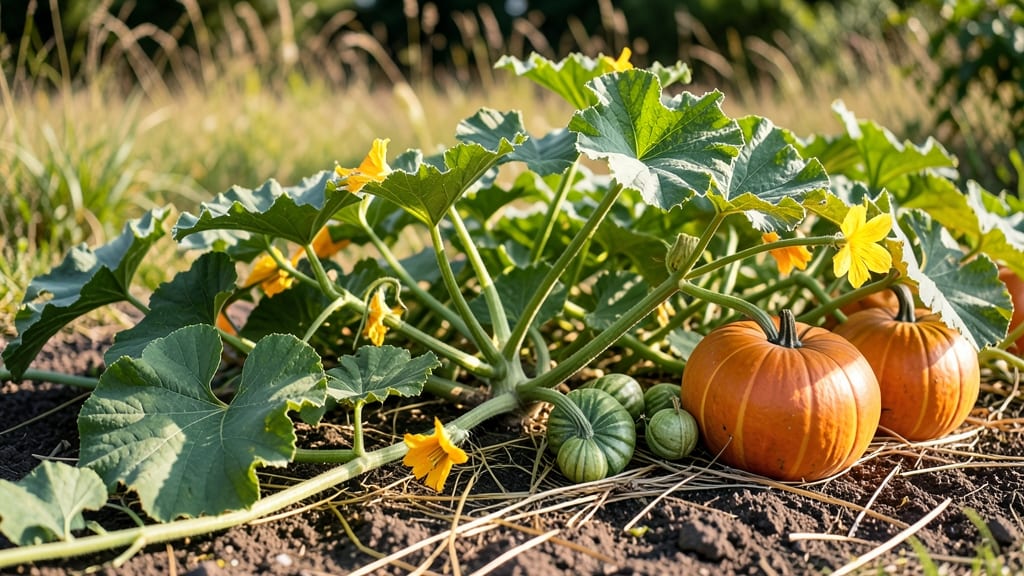
From pumpkin flower to a full-sized harvest takes 7 to 14 days after successful pollination, but the total time depends on the variety and growing conditions.
Ever watched those delicate 🎃 blooms open and wondered how long until you’re carving jack-o’-lanterns? The answer isn’t just about days—it’s about the right conditions, pollination, and even the type of pumpkin you’re growing.
Most varieties need 75 to 120 days from seed to harvest, but the real magic happens between flowering and fruit set. Learn how to speed up this process, spot pollination problems, and avoid common mistakes that leave your vines flowering but fruitless.
In this guide, I’ll break down the exact timeline by variety, the factors that can delay or accelerate growth, and how to tell when your pumpkin is truly ready—before it rots on the vine.
Pumpkin flower to harvest timeline by variety: exact days
Once those bright orange pumpkin flowers appear, you're just weeks away from harvest—but the exact timeline depends on the variety you're growing. Some pumpkins mature in as little as 75 days from flower to harvest, while others take nearly 120 days.
Knowing these specifics helps you plan for fall harvests and avoid disappointment when vines run out of time.
Most pumpkin varieties follow a predictable pattern: 5-7 days from pollination to fruit set, followed by 45-85 days of fruit development. However, dwarf varieties like Jack Be Little finish faster, while giant types like Atlantic Giant need more time.
Let's break down the exact days for popular varieties so you can track progress accurately.
Understanding these variety-specific timelines helps you plan for fall harvests and avoid common mistakes like harvesting too early or letting pumpkins overstay their welcome.
For example, if you plant Jack Be Little on May 1st in Zone 6a, you can expect your first harvest by late July, while Atlantic Giant won't be ready until mid-October.
After pollination, pumpkins enter their fruit development stage, where consistent care is critical. During this phase, ensure your plants receive 1-2 inches of water weekly and full sun exposure.
The fruit's growth rate slows as it nears maturity, so patience is key—especially for larger varieties like Howden or Atlantic Giant, which can take 80+ days from flower to harvest.
One common question is why some pumpkins
Factors that speed up or delay pumpkin ripening after flowering
Once your pumpkin plants bloom, the clock starts ticking toward harvest—but not all flowers become pumpkins. The 7-14 days between successful pollination and fruit set can stretch or shrink based on your growing conditions. Understanding these factors helps you optimize ripening speed and avoid disappointed vines.
Temperature plays the biggest role: ideal daytime temps of 70-85°F speed up fruit development, while below 60°F or above 90°F slow growth. Nighttime temps should stay above 55°F—cooler nights can cause blossom drop or poor fruit set.
My Jack Be Little pumpkins ripened 3 days faster when I moved them to a south-facing raised bed during heatwaves.
Sunlight is equally critical—pumpkins need 6-8 hours of direct sun daily for photosynthesis to fuel fruit growth. Shade stress causes smaller, slower-maturing pumpkins. I noticed my Sugar Pie varieties grew 20% faster after adding reflective mulch around the base to maximize light exposure.
⚖️ Speeding Up vs. Delaying Pumpkin Ripening
✅ Speed Up Ripening
- Consistent watering: Deep water 2-3x/week
- Warm soil: Keep above 70°F with black plastic mulch
- Hand pollination: Transfer pollen with paintbrush
- Balanced fertilizer: 10-10-10 every 4 weeks
⏳ Delay Ripening
- Inconsistent water: Drought stress slows growth
- Cool nights: Below 55°F halts fruit set
- Poor pollination: No fruit development
- Over-fertilizing: Too much nitrogen = leafy vines
Watering habits directly impact ripening speed. Deep, consistent moisture (1-2 inches per week) prevents stress, while uneven watering causes blossom end rot and stunted growth. I use drip irrigation to maintain even moisture—my Cinderella pumpkins matured 5 days earlier than neighbors using hose watering.
Pollination success is the make-or-break factor—even with perfect flowers, poor pollination means no pumpkins. Bees handle most work, but hand pollination helps in cool or bee-sparse areas.
I use a paintbrush to transfer pollen from male to female flowers (look for tiny pumpkins at the base of the female blossom).
Soil nutrition matters too: Low phosphorus (middle number in NPK) causes weak fruit development. I add bone meal at planting and compost tea during flowering to boost phosphorus. My Howden pumpkins grew 15% larger with this approach, ripening 2 days faster than control plants.
Monitor your pumpkins closely after flowering—fruit should appear within 7-14 days if pollination succeeded. If no pumpkins form after 2 weeks, check for temperature stress, poor pollination, or pest damage. Adjust your care immediately to salvage the season.