
Propagation
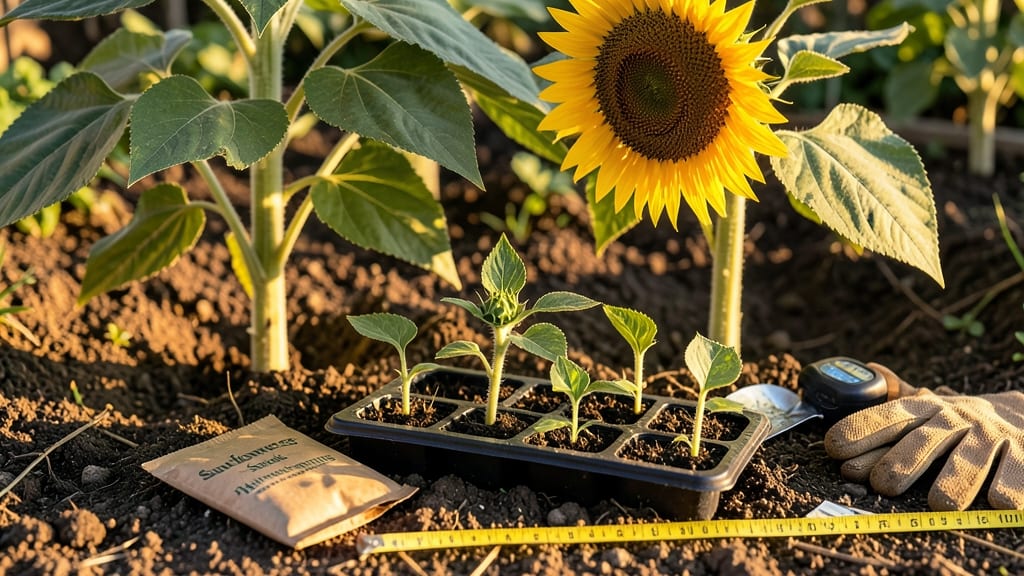
Growing sunflowers from seed takes about 60 to 90 days to reach full bloom, depending on the variety and growing conditions—far faster than most gardeners expect.
Picture this: you tuck a tiny seed into the soil in early spring, and by midsummer, you’re staring up at a 10-foot tower of golden petals 🌻. That’s the magic of sunflowers, but the timeline isn’t set in stone.
Some varieties bloom in as little as 50 days, while others take closer to 120 days.
What you’ll discover here is how to predict your sunflower’s growth timeline, from the first sprouts to those showstopping blooms. We’ll break down the stages, the factors that speed things up (or slow them down), and the best varieties for a fast, reliable harvest—no guesswork required.
Ready to turn your garden into a sunflower spectacle? Let’s dive into the exact timeline and tips to get those seeds growing like wildfire.


Sunflower growth timeline by variety: 60-90 days explained
Sunflowers are one of the fastest-growing plants in your garden, with most varieties reaching maturity in just 60-90 days from seed. However, the exact timeline depends on the variety, soil temperature, and sunlight exposure.
Giant varieties like 'Mammoth' take closer to 90 days, while dwarf types like 'Teddy Bear' can bloom in as little as 50 days. Understanding these stages helps you plan for the most vibrant blooms possible.
From seed to full bloom, sunflowers pass through four key stages: germination, seedling growth, vegetative development, and flowering. Each stage has specific care requirements to ensure healthy growth.
For example, soil temperatures above 60°F speed up germination, while 6-8 hours of sunlight daily is non-negotiable for robust stems and blooms.
Germination typically occurs within 3-10 days after planting, depending on moisture and warmth. Once sprouted, seedlings need consistent moisture and protection from pests like birds and cutworms. Thin seedlings to 12-24 inches apart to prevent overcrowding, which can delay flowering by up to 2 weeks.
Here’s a quick visual breakdown of growth timelines by variety, including key milestones and care tips:
| Variety | Height | Germination | Seedling Stage | Bloom Time | Total Time |
|---|---|---|---|---|---|
| Dwarf (e.g., 'Teddy Bear') | 1-3 ft | 3-7 days | 14-21 days | 45-55 days | 50-60 days |
| Mid-Size (e.g., 'Moulin Rouge') | 3-6 ft | 5-10 days | 21-28 days | 60-75 days | 65-80 days |
| Giant (e.g., 'Mammoth') | 8-16 ft | 7-14 days | 28-35 days | 75-90 days | 80-100 days |
After germination, sunflowers enter the seedling stage, where they develop their first true leaves. This phase lasts about 2-4 weeks, during which seedlings need regular watering and fertile soil.
Avoid overwatering, as soggy soil can lead to root rot and stunt growth. During this time, you’ll notice rapid stem elongation, especially in taller varieties.
The vegetative stage is where sunflowers put on most of their growth, with leaves expanding and stems thickening. This phase can take 3-6 weeks, depending on the variety.
For example, 'Mammoth' sunflowers may grow 2-3 inches per day during peak growth. Ensure they receive at least 6 hours of sunlight daily to support this rapid development.
Finally, the flowering stage begins when the bud forms and opens into a vibrant bloom. This is the most visually rewarding phase and typically occurs 60-90 days after planting. You’ll know it’s time to harvest seeds when the petals wilt and the back of the head turns yellow.
At this point, the seeds are ready to collect or replant for next season.
To maximize your sunflowers’ growth, plant them in well-draining soil with a pH of 6.0-7.5. Add a balanced fertilizer (like 5-10-10) when seedlings are 6 inches tall to encourage strong stems and large blooms. Mulch around the base to retain moisture and suppress weeds, which can compete for nutrients.
One common mistake is assuming all sunflowers follow the same timeline. Dwarf varieties like 'Teddy Bear' bloom faster, making them ideal for container gardening or small spaces.
Meanwhile, giant varieties like 'Russian Giant' require more time and staking to support their towering height. Plan your garden layout accordingly to accommodate each variety’s mature size.
With the right care, your sunflowers can reach full bloom in as little as 50 days or take up to 100 days for the tallest varieties. Pay attention to soil temperature, watering consistency, and sunlight exposure to ensure your sunflowers hit their growth potential. Happy gardening! 🌻
Critical factors that speed up or delay sunflower growth
Sunflowers thrive on speed, but their 60-90 day growth timeline can stretch or shrink dramatically based on your garden’s conditions. Soil quality, watering consistency, and sunlight exposure are the biggest game-changers—get these right, and you’ll see those towering blooms in record time.
Skip even one, and you might be waiting months longer than expected.
I’ve learned the hard way that cool soil temperatures (below 50°F) can delay germination by 2-3 weeks, while ideal soil temps of 70-80°F speed up sprouting to just 3-7 days.
Even after germination, temperature swings—like late spring frosts or summer heatwaves—can stunt growth or cause plants to bolt prematurely. Let’s break down how to optimize each factor for faster, healthier sunflowers.
- Overcrowding seeds: Planting too close (less than 6 inches apart) causes competition for nutrients and sunlight, delaying growth by 10-15 days.
- Inconsistent watering: Drought stress or soggy soil can halt growth entirely—sunflowers need deep, infrequent watering (1-2 gallons per plant every 3-5 days).
- Shade exposure: Less than 6 hours of direct sun per day stretches the timeline to 120+ days—sunflowers are sun-hungry and won’t compensate with artificial light.
Let’s start with soil quality, the foundation of fast growth. Sunflowers crave loose, well-draining soil with a pH between 6.0 and 7.5. Heavy clay or compacted soil suffocates roots, slowing growth by 20-30%.
Before planting, mix in 2-3 inches of compost or aged manure to boost nutrient availability. I once planted sunflowers in unamended garden soil—my dwarf variety took 100 days to bloom instead of the expected 60.
Next, watering frequency makes or breaks your timeline. Young seedlings need consistent moisture to avoid wilting, but overwatering leads to fungal diseases like powdery mildew. Water deeply once every 3-5 days (more often in summer heat) and always in the early morning to reduce evaporation.
A drip irrigation system keeps soil evenly moist without the risk of leaf fungal issues that can delay blooming by 2-3 weeks.
Sunlight is non-negotiable—sunflowers require 6-8 hours of direct sun daily. Even partial shade can stretch the growth timeline to 120 days or more.
If your garden lacks full sun, choose dwarf varieties like ‘Teddy Bear’ (3-4 ft tall) or ‘Moulin Rouge’ (4-5 ft), which tolerate 4-5 hours of sun better than giants. I once grew ‘Russian Giant’ in a partial shade spot—it took 150 days to reach half its expected height.
Finally, temperature fluctuations play a sneaky role. Ideal daytime temps of 70-80°F speed up growth, but nights below 50°F can delay flowering by 1-2 weeks.
If you’re in a cool climate, opt for early-maturing varieties like ‘Autumn Beauty’ (70-80 days) or start seeds indoors 2-3 weeks before last frost to give them a head start.
Mulch around the base with straw or wood chips to regulate soil temps and protect roots from extreme heat or cold.