
Flowers
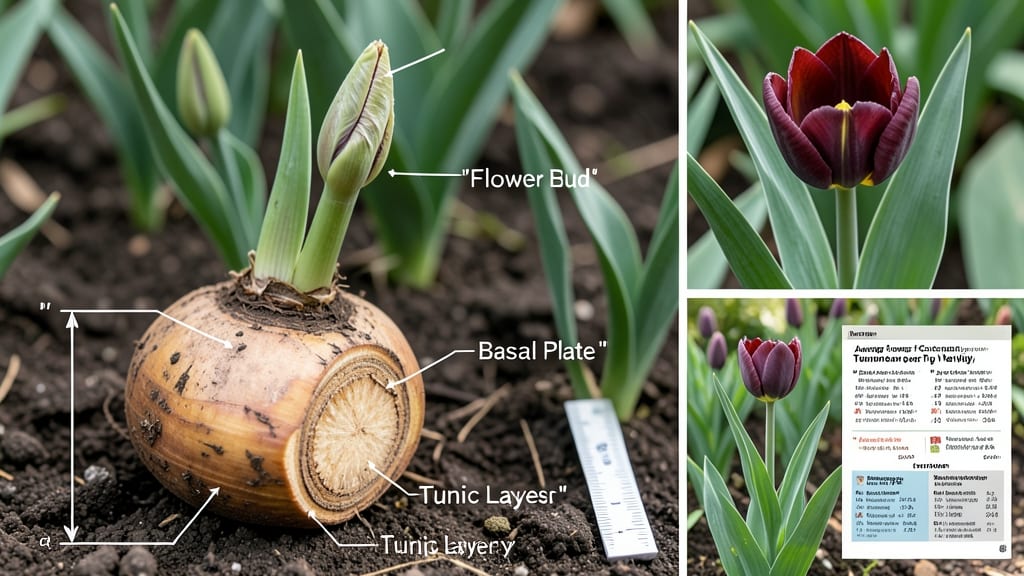
A single tulip bulb typically produces 1 to 5 flowers per tulip bulb 🌷, depending on the variety and care you give it—but most gardeners miss the secret to maximizing those blooms.
Picture this: you plant a dozen bulbs in fall, only to stare at a patch of green in spring with just a handful of flowers. That’s not your luck—it’s likely the bulb size or variety you chose.
Some tulips, like Darwin Hybrids, throw out 3 to 5 blooms per bulb**, while others barely manage one.
In this guide, I’ll break down the exact flower counts by type, the hidden factors that boost (or kill) your bloom numbers, and the 3-step planting trick that turns a sparse garden into a showstopper.
Whether you’re a beginner or a seasoned gardener, you’ll learn how to pick the right bulbs, plant them for maximum impact, and keep your tulips blooming year after year—without wasting a single bulb.
How many flowers grow from one tulip bulb by variety type
If you've ever wondered how many tulip flowers sprout from a single bulb, the answer isn't one-size-fits-all. Tulips vary dramatically in bloom counts, from one solitary flower to up to 12 blooms per bulb.
Understanding these differences helps you plan your garden more efficiently and avoid over- or under-planting. Let's break down the most common tulip varieties and their typical bloom production.
Most gardeners start with standard tulips like Darwin Hybrids or Parrot Tulips, which deliver the most flowers per bulb. However, even within these categories, bloom counts can differ based on bulb size and growing conditions.
For example, a large Darwin Hybrid bulb might produce 3-5 flowers, while a small Parrot Tulip bulb could yield just 1-2. Knowing these specifics ensures you plant the right varieties for the dramatic display you envision.
| Variety Type | Flowers Per Bulb | Bulb Size | Height Range | Bloom Time |
|---|---|---|---|---|
| Single Early Tulips | 1 flower | Small (1-2 oz) | 12-18" | Early April |
| Darwin Hybrid Tulips | 3-5 flowers | Large (2-3 oz) | 20-26" | Mid-April |
| Parrot Tulips | 1-2 flowers | Medium (1.5-2.5 oz) | 18-24" | Late April |
| Fringed Tulips | 1 flower | Small (1-2 oz) | 16-20" | Early-Mid April |
| Double Late Tulips | 1-2 flowers | Medium (1.5-2.5 oz) | 18-24" | Late April |
| Kaufmanniana Tulips | 1 flower | Small (1 oz) | 6-12" | Early April |
| Fosteriana Tulips | 1-3 flowers | Large (2-3 oz) | 12-20" | Early-Mid April |
For gardeners aiming for maximum impact, Darwin Hybrid tulips are my top recommendation. These varieties consistently produce 3-5 blooms per bulb, making them ideal for creating bold, eye-catching displays.
For example, planting just 10 large Darwin Hybrid bulbs could yield 30-50 flowers in a single season. This variety's tall stems and large blooms also make them perfect for cutting gardens.
If you prefer unique, conversation-starting tulips, Parrot Tulips offer striking, feathered petals but typically produce only 1-2 flowers per bulb. Their exotic appearance justifies the slightly lower bloom count, especially when planted in small clusters. I often pair them with Darwin Hy
Why some tulip bulbs produce more flowers than others
If you’ve ever planted tulip bulbs and wondered why some varieties burst with multiple blooms while others produce just one, the answer lies in science—not luck. The number of flowers per bulb depends on a mix of genetics, bulb size, and growing conditions.
Understanding these factors helps you choose the right varieties and care for them properly to maximize your spring display.
Tulips fall into two main categories: single-stemmed and multi-stemmed varieties. Single-stemmed types, like classic Darwin Hybrid tulips, typically produce 1-2 flowers per bulb, while multi-stemmed varieties, such as Parrot tulips, can yield 3-5 flowers from a single bulb.
But even within these categories, differences arise based on bulb health, sunlight exposure, and soil quality.
- 1 Bulb Size Matters: Larger bulbs (over 2 inches in diameter) produce more flowers because they store more energy. A 6-inch bulb may yield 2-3 blooms, while a 3-inch bulb might produce just 1.
- 2 Genetics Determine Stem Count: Some tulip species are hardwired for multiple stems. Fosteriana tulips (e.g., 'Red Emperor') often produce 2-4 flowers per bulb, while species tulips like Tulipa greigii may yield 5+ blooms in ideal conditions.
- 3 Sunlight Boosts Bloom Count: Tulips need 6+ hours of full sun daily to produce the most flowers. Shady spots limit energy production, often resulting in fewer or smaller blooms. South-facing beds are ideal for maximizing output.
- 4 Soil Nutrition Affects Flowering: Well-draining, fertile soil with a pH of 6.0-7.0 encourages robust bulb growth. Amend clay soil with compost to prevent rot, which can reduce bloom counts by up to 50%.
- 5 Age and Health of the Bulb: Older, established bulbs (3+ years) produce more flowers than freshly planted ones. Avoid overwatering after blooming to let bulbs replenish energy for next year’s display.
To optimize flower production, start by selecting large, firm bulbs from reputable suppliers. Plant them in well-draining soil with compost mixed in to provide nutrients. After planting, mulch with 2-3 inches of straw to insulate roots and retain moisture without suffocating the bulbs.
Once shoots emerge in spring, ensure they receive consistent moisture but avoid waterlogging, which can cause bulb rot. A balanced fertilizer (10-10-10) applied in early spring, when shoots are 2-3 inches tall, gives bulbs the energy they need to produce more flowers per stem.
Repeat applications every 4-6 weeks until blooming.
Remember, even the most flower-prolific tulips need time to establish. In their first year, bulbs focus on root growth rather than blooming. By year two or three, healthy bulbs in optimal conditions can produce 2-5 times more flowers than their first-year counterparts.
Patience and proper care pay off with a stunning, multi-stemmed tulip display year after year. 🌷