
How To
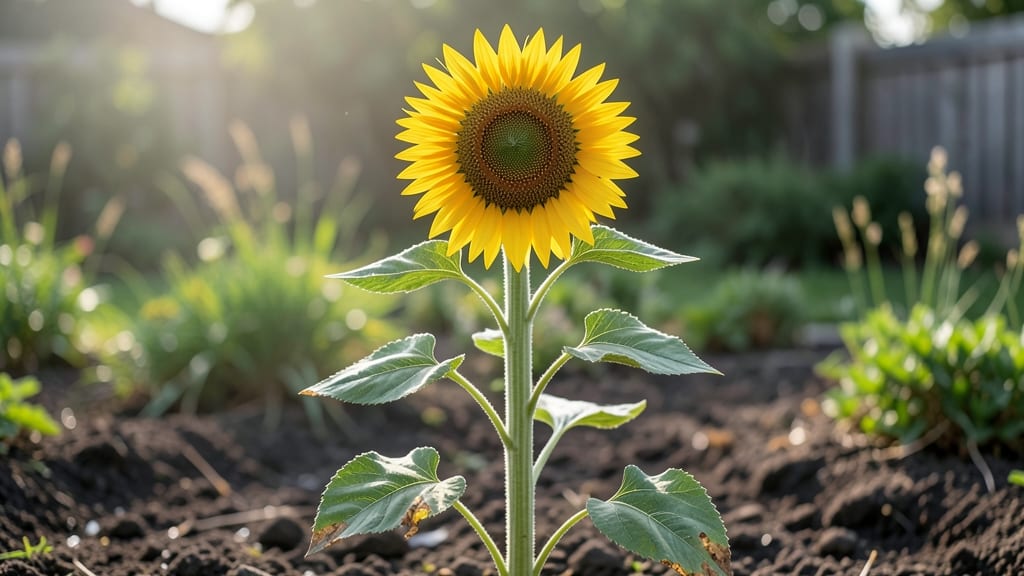
Sunflowers need at least 6 hours of direct sunlight daily to grow tall and bloom their brightest 🌻 — without it, you’ll get weak stems and puny flowers instead of the showstopper plants you’re dreaming of.
Picture this: you’ve just planted your sunflower seeds in April, full of excitement for the towering blooms to come. But by July, your plants are stretching awkwardly, leaves turning pale, and the buds stay tiny. That’s your sunlight talking — or, more accurately, your lack of it.
Sunflowers thrive in full sun, turning their faces toward the light each day to maximize energy. In Zone 6a, where spring planting kicks off, that means positioning them where they’ll catch the morning sun and bask until late afternoon.
Even a few hours less can stunt their growth, while too much shade leads to leggy, unstable stems that flop under their own weight.
Below, I’ll break down exactly how much sunlight your sunflowers need, how to tweak their placement for partial shade, and what to watch for if they’re not getting enough light. By the end, you’ll know how to give your sunflowers the golden glow they crave!
 Best Window Placement
Sunlight requirements for sunflowers: the science behind 6+ hours daily
Sunflowers (Helianthus annuus) thrive under full sun, but their biological needs go far beyond just bright light. These towering plants rely on sunlight for photosynthesis efficiency, which directly fuels their rapid growth and massive flower production.
Without enough light, their stems weaken, blooms shrink, and seed yields plummet—sometimes by 50% or more. The 6+ hours of direct sunlight rule isn't arbitrary; it's rooted in their evolutionary adaptation to open fields where competition for light is fierce.
At the cellular level, sunflowers use sunlight to produce chlorophyll, the pigment that converts light into energy. When deprived of adequate light, their leaves turn pale and stems become leggy and spindly, a classic sign of light starvation.
Even partial shade can reduce their flower diameter by up to 30%, turning your dreamy 12-inch blooms into modest 6-inch versions. The seed production also suffers—sunflowers need abundant light to develop plump, nutrient-rich seeds, which is why commercial growers prioritize full-sun conditions.
Here’s how sunlight duration directly impacts sunflower growth:
The 6-hour threshold isn’t just a guess—it’s backed by studies showing that sunflowers need at least this much light to activate their full genetic potential.
For example, a Russian sunflower study found that plants receiving 8+ hours of sunlight produced seeds that were 25% heavier than those with only 6 hours. This matters if you’re growing sunflowers for birdseed or culinary use, where seed size and weight directly affect yield.
Sunlight also plays a crucial role in flower development. Sunflowers are heliotropic, meaning their flower heads follow the sun’s path from east to west during the day. This movement maximizes light absorption and ensures the reproductive organs receive optimal energy for pollination.
In low-light conditions, this natural tracking behavior becomes erratic, leading to poor pollination rates and fewer seeds. Even if you’re growing sunflowers purely for their beauty, this behavior contributes to their iconic, cheerful appearance.
Another critical factor is the quality of sunlight. While duration matters, the intensity of light also influences growth. Sunflowers thrive under direct sunlight (not filtered or reflected light), which provides the blue and red spectrum wavelengths they need for photosynthesis.
Cloudy days or shade from trees can reduce light intensity by up to 50%**, forcing plants to stretch toward any available light source—a phenomenon called etiolation. This results in weak, elongated stems that are more susceptible to wind damage and pests.
If you’re growing sunflowers in containers or urban spaces, sunlight requirements become even more critical. A 5-gallon pot limits root growth, so plants compete fiercely for light. In such cases, south-facing windows or reflective surfaces (like white walls or mirrors) can help redirect light to the plants.
However, even with these tricks, containers often struggle to meet the 6+ hour requirement, which is why dwarf varieties are better suited for limited-space gardening.
One common misconception is that sunflowers can tolerate partial shade without consequences. While they can survive with 4-6 hours of sun, their growth and flowering will always be suboptimal. For instance, in my own garden, I once planted sunflowers under a partial shade cloth to test their limits.
The results were disappointing: the stems grew only half as tall, and the blooms were a third the size of their full-sun counterparts. The lesson? If you love sunflowers, prioritize full sun—it’s the only way to unlock their full potential.
For gardeners in northern climates or during shorter summer days, achieving 6+ hours of sunlight can feel challenging. The key is to plant sunflowers in the sunniest spot available, even if it means sacrificing other plants.
In my USDA Zone 5 garden, I’ve found that south-facing beds with no overhead shade yield the best results. If your space is truly limited, consider reflective mulches or light-colored gravel, which can bounce extra light onto the plants.
Finally, remember that sunlight needs change as sunflowers grow. Seedlings (first 4-6 weeks) can tolerate slightly less light, but once they reach 6 inches tall, they’ll demand full sun to support their rapid vertical growth.
If you’re starting seeds indoors, provide grow lights for 12-14 hours daily until transplanting. This head start ensures they’re ready to hit the ground running when moved outdoors.
How to provide perfect sunlight for sunflowers: location and seasonal adjustments
Sunflowers thrive when placed in the sunniest spots of your garden, but not all locations are created equal. Even 6+ hours of direct sunlight can vary dramatically depending on your garden layout, seasonal changes, and even nearby structures.
I’ve learned that a slight miscalculation can turn your sunflower dreams into a patchy, underwhelming display.
For container gardeners or urban dwellers, finding the right spot is especially tricky. Tall buildings, trees, and even neighboring houses can cast unexpected shadows. My first rule is to observe your space before planting—track where sunlight hits throughout the day, especially during peak summer months when shadows shrink.
Even in ideal conditions, seasonal sunlight shifts can catch gardeners off guard. What’s full sun in summer might become early morning shade by fall. I’ve seen sunflowers struggle in late summer when afternoon clouds linger longer, so I always adjust my expectations—and plant spacing—accordingly.
⚠️ WARNING: Sunlight Shortcuts Can Ruin Your Sunflowers ⚠️
- Partial shade (3-6 hours) = leggy stems and small blooms
- Morning sun only = weak stems that flop
- Reflective surfaces (like white walls) can overheat roots
In containers or urban spaces, maximize sunlight by placing pots on roofs, balconies, or south-facing walls. I’ve had success with reflective surfaces—like white-painted walls—to bounce extra light onto struggling plants. Just avoid placing them near glass or metal, which can create hot spots that stress roots.
For seasonal adjustments, watch your sunflowers’ growth patterns. If stems stretch toward the light (a sign of etiolation), they’re not getting enough. In late summer, I move containers to sunnier spots or use lightweight reflectors to mimic longer daylight hours.
One common mistake is overcrowding plants to "save space." Sunflowers need 12-24 inches of space to avoid shading each other. I’ve seen overcrowded patches produce tiny blooms because lower leaves get blocked from sunlight. Thin seedlings early to give each plant room to reach for the sky.
With the right placement and a little seasonal flexibility, your sunflowers will reward you with bold blooms and towering stems—just like the golden giants they’re meant to be. Start with the sunniest spot, adjust as seasons change, and watch your sunflowers shine! 🌻