
Flowers
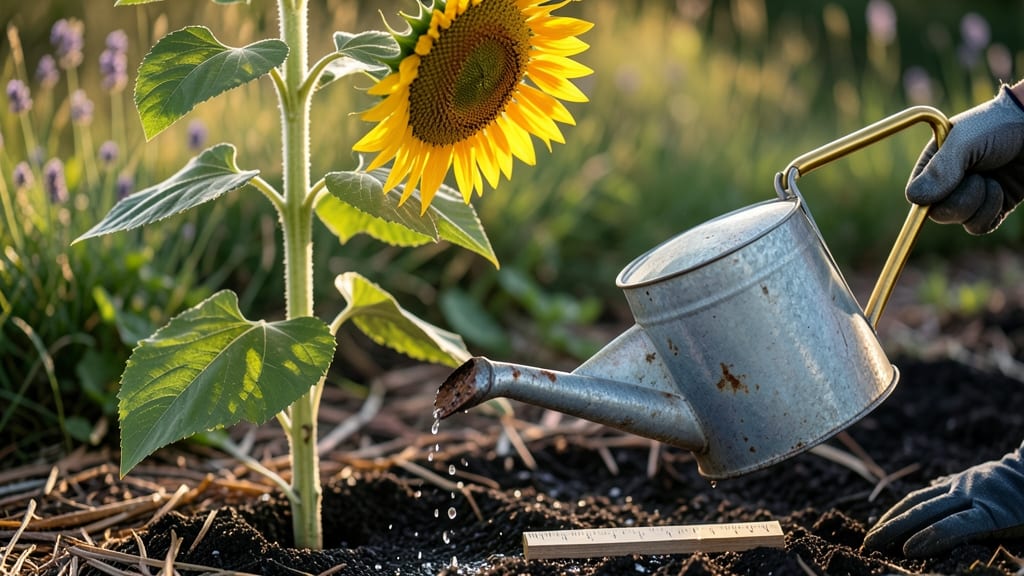
Sunflowers need to be watered how often depends on their growth stage—about every 3-5 days for young plants and every 7-10 days once established, but the real secret lies in how you water—not just how often.
Picture this: your 🌻 sunflower seedlings wilting by noon, or worse, their stems rotting from soggy soil. The difference between towering giants and sad, stunted plants often comes down to one thing—deep, infrequent watering that encourages strong roots.
If you’re in USDA Zone 6, where spring planting kicks off in April, your watering schedule will shift as the seasons change. Too much water early on drowns tender roots, while too little in summer can leave your sunflowers thirsty and struggling to reach their full height.
In this guide, I’ll break down the exact watering schedule by growth stage, how to tell if you’re over- or underwatering, and the simple tricks—like mulching and morning watering—that keep your sunflowers thriving with minimal effort.
Sunflower watering schedule by growth stage: from seed to towering bloom
Sunflowers thrive on consistency, but their watering needs shift dramatically from tiny seeds to towering giants. Too much water drowns roots, while too little stunts growth—especially during critical flowering stages. The key? Matching moisture to each phase of their 120-day lifecycle, while adjusting for your local climate.
In arid regions, sunflowers can stretch watering intervals to 10 days once established, while humid climates may require weekly checks. The secret lies in deep, infrequent watering that encourages strong root systems.
Let’s break down exactly how often to water at each stage—plus how to spot when you’re overdoing or underdoing it.
| Growth Stage | Watering Frequency | Soil Moisture Goal | Climate Adjustments |
|---|---|---|---|
| Germination (Days 1-7) | Daily (light misting) | Always damp, never soggy | Humid: Reduce to every other day |
| Seedling (Weeks 2-4) | Every 2-3 days (1 inch deep) | Top 2 inches moist | Arid: Extend to 4 days |
| Vegetative (Weeks 5-8) | Every 5-7 days (deep soak) | 6 inches deep moist | Humid: Reduce to weekly |
| Flowering (Weeks 9-12) | Every 7-10 days (2 gallons) | 12 inches deep moist | Arid: Stretch to 14 days |
During germination, seeds need consistent moisture to break dormancy—think of it as their first sip of life. Use a spray bottle to keep the soil evenly damp (not wet) for those initial 7 days.
Overwatering here risks fungal rot before roots even form. I’ve seen seeds sprout in just 3 days with perfect conditions, but they’ll wait patiently for up to 2 weeks if kept moist.
The seedling stage (weeks 2-4) is when sunflowers develop their first true leaves and start reaching for the sky. This is where most gardeners make mistakes—either drowning them with daily water or letting them dry out completely. Aim for 1 inch of soil moisture at all times.
A simple trick? Stick your finger 1 inch deep; if it feels dry, it’s time to water. In hot climates, I water mine every 2 days to prevent wilting.
By the time sunflowers hit the vegetative stage (weeks 5-8), their roots are diving deep—often 3 feet or more below the surface. This is when you can shift to deep watering every 5-7 days.
The goal is to saturate the soil to 6 inches deep, encouraging roots to grow downward rather than staying shallow. I use a soaker hose for this stage to avoid wetting the leaves, which reduces disease risk.
When buds form and flowers begin to open (weeks 9-12), your sunflowers are hungry for water—but not in the way you might think. This is the flowering stage, where consistent moisture supports seed development.
Water deeply every 7-10 days, delivering 2 gallons per plant to keep the soil moist down to 12 inches. In dry climates, I’ve successfully stretched this to every 14 days by adding a thick layer of straw mulch to retain moisture.
One common mistake I see is watering at night, which can lead to fungal issues like powdery mildew. Always water in the early morning (before 10 AM) to give leaves time to dry.
Another pro tip: avoid overhead sprinklers during flowering—they can damage petals and reduce pollination. Instead, use a drip irrigation system or water at the base of the plant.
Your local climate plays a huge role in adjusting this schedule. In humid regions, sunflowers may need watering every 5-7 days year-round because the air moisture doesn’t penetrate the soil. Meanwhile, in arid zones, established plants can go 2 weeks without water once their roots are deep.
Always check soil moisture with your finger—if the top 2 inches feel dry, it’s time to water, regardless of the calendar.
Pro tip: Mulch heavily (3-4 inches of straw or wood chips) to lock in moisture and keep roots cool. I’ve seen sunflowers in 100°F heat thrive with mulch because it reduces evaporation by up to 30%.
Plus, mulch suppresses weeds that compete for water—another layer of protection for your towering beauties.
Remember, sunflowers are drought-tolerant once established, but they won’t reach their full height or produce heavy seed heads without proper watering during key stages. A well-watered sunflower can grow 10 feet tall in just 8 weeks, while an underwatered one may max out at 3 feet.
Pay attention to their growth rate—if they’re growing less than 1 inch per week, they likely need more water.
Signs your sunflowers are overwatered or underwatered (and how to fix it)
Sunflowers 🌻 may seem drought-resistant, but they’re just as sensitive to water stress as any other plant. Overwatering and underwatering both trigger visible distress—yellowing leaves, wilting stems, or even root rot. The key is learning their non-verbal cues so you can adjust your watering routine before damage sets in.
Start by checking the soil moisture 1-2 inches below the surface. Stick your finger in—if it feels damp, hold off on watering. If it’s bone-dry, your sunflowers are thirsty. But watch for leaf discoloration too: dark green with yellow edges often signals overwatering, while crispy, brown edges mean underwatering.
🚨 callout-warning 🚨
- Daily light sprinkles = shallow roots, weak stems
- Watering at night = fungal risks (sunflowers hate damp foliage)
- Skipping soil checks = guessing leads to stress
Yellowing leaves that start at the bottom of the plant? That’s often a sign of overwatering. The roots suffocate in soggy soil, cutting off nutrients.
Meanwhile, drooping leaves that don’t perk up after watering mean your sunflowers are underwatered. Feel the stems—if they’re hollow or brittle, it’s too late.
To fix overwatered sunflowers, improve drainage immediately. Mix compost or perlite into the soil and avoid watering until the top 3 inches are dry. For underwatered plants, water deeply at the base (not overhead) and mulch with straw or wood chips to retain moisture.
Mulching is your best friend for sunflowers. A 2-3 inch layer of organic mulch keeps soil cool, reduces evaporation, and encourages deep root growth. Pair this with deep watering sessions (soak the soil 6-8 inches down) every 3-5 days for young plants, and every 7-10 days once established.
Remember: sunflowers are thirsty during flowering (June-August) but can handle drought once mature. If your plants are wilting despite water, check for pests like aphids or fungal infections. Healthy soil and consistent moisture will have your sunflowers reaching for the sky in no time! 🌱