
Plants
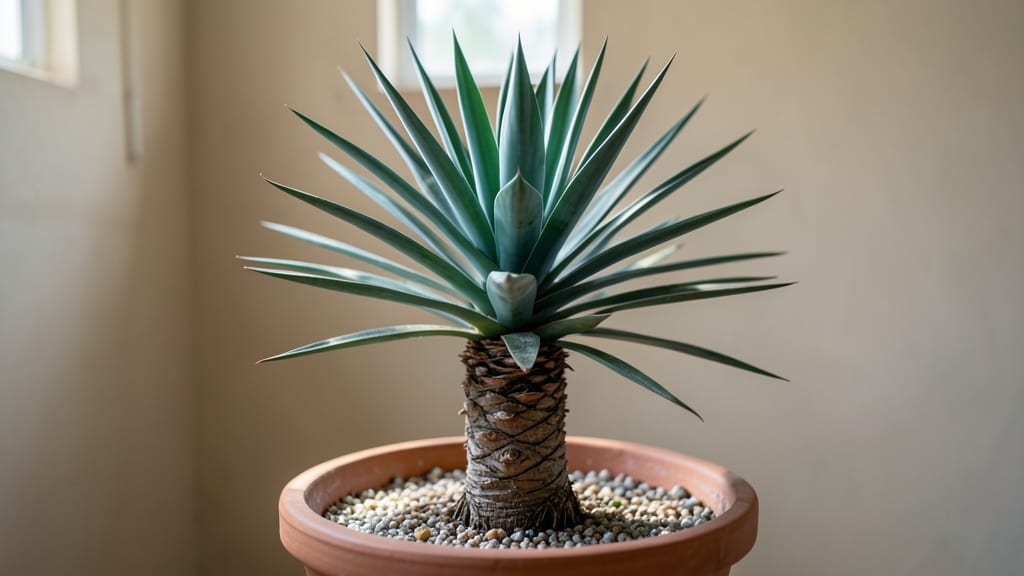
Yucca plants flower every 2 to 5 years once mature, but the timing depends on their age, sunlight, and care routine—so don’t expect blooms from a young plant.
If you’ve ever stared at your 🌵 yucca and wondered why it’s not flowering, you’re not alone. Many gardeners miss the signs because flowering isn’t just about age—it’s also about sunlight exposure, soil health, and even seasonal shifts.
The good news? With the right conditions, you can encourage blooms and enjoy those striking bell-shaped flowers.
Mature yuccas (5+ years old) typically bloom in late spring or early summer, but younger plants may take longer—or skip flowering entirely. The key is understanding their growth stages and adjusting care to trigger blooms when they’re ready.
Below, I’ll break down the exact timeline by maturity stage, the 5 critical factors that determine flowering frequency, and what to do if your yucca isn’t cooperating. Ready to turn your plant into a blooming star?
Yucca flowering frequency by plant maturity stage (with exact years)
Yucca plants are stunning desert natives known for their dramatic spike-like blooms, but their flowering frequency depends entirely on maturity stage and environmental conditions. Unlike annuals, yuccas follow a precise timeline—juvenile plants rarely bloom, while mature specimens may flower every 2–5 years under ideal conditions.
Understanding these stages helps you set realistic expectations and optimize care for those coveted white bell-shaped flowers.
Most gardeners assume yuccas bloom annually, but the reality is far more strategic. Yucca filamentosa and Yucca rostrata (common varieties) typically enter their first flowering window between ages 5–8, with peak performance occurring at 10+ years.
This timeline aligns with their natural growth cycles, where energy shifts from foliage production to reproductive blooms. Let’s break down the exact years and what triggers each stage.
During the juvenile stage (0–3 years), your yucca’s energy is entirely focused on establishing a robust root system and upright growth. This is why you’ll see minimal to no blooms—think of it as the plant’s "teenage years."
Providing 6+ hours of direct sunlight and well-draining soil (like sandy loam) during this phase sets the foundation for future flowering. Overwatering here can stunt growth, so let the soil dry completely between waterings.
The transitional stage (4–7 years) is where things get interesting. Your yucca may produce a single bloom spike, but this is highly variable. Yucca rostrata, for example, often blooms earlier (around age 5) than Yucca filamentosa, which may wait until age 7.
To encourage this milestone, ensure your plant receives consistent warmth (above 50°F) and avoid heavy pruning, which stresses the plant.
Once your yucca reaches maturity (8+ years), the real magic happens. This is when most plants enter their regular flowering cycle, typically every 2–5 years.
The exact timing depends on species—Yucca elephantipes may bloom annually in ideal conditions, while Yucca gloriosa might take 5 years between cycles. Pay attention to temperature cues: blooms often emerge in late spring or early summer when nighttime temps stay above 60°F.
One common misconception is that yuccas bloom annually like roses. In reality, their energy conservation strategy means they prioritize survival over frequent reproduction. After a flowering cycle, your yucca may produce seed pods—removing these (if you don’t want seeds) redirects energy back to the plant’s health.
Use clean, sharp pruning shears to snip spent blooms at the base, reducing disease risk.
Environmental triggers play a huge role in flowering frequency. For instance, Yucca brevifolia (the Joshua Tree) in desert climates may bloom once every 2–10 years due to extreme drought conditions, while potted yuccas in containers often flower more frequently because they experience less stress.
If your mature yucca isn’t blooming, check for nutrient deficiencies—a soil test can reveal if you need to add phosphorus-rich fertilizer (like 5-10-10) in early spring.
Pro tip: Yuccas in containers sometimes flower more reliably because their roots are confined, triggering a survival response. If your potted yucca isn’t blooming, consider repotting into a slightly larger container with fresh, well-draining cactus mix. Just avoid over-potting—yuccas prefer root restriction to mimic their natural desert habitat.
Remember, flowering frequency isn’t just about age—it’s a holistic balance of sunlight, soil, and seasonal cues. With patience and the right care, your mature yucca will reward you with those show-stopping blooms that attract pollinators like hummingbirds and moths. 🌵
5 Key factors that determine how often your yucca blooms
Yucca plants are renowned for their striking architectural beauty, but their flowering habits can be unpredictable. While some varieties bloom annually, others may take years to produce those iconic bell-shaped flowers.
The difference often comes down to five critical factors you control—sunlight exposure, soil quality, watering practices, pruning techniques, and seasonal climate shifts. Let’s break down how each influences your yucca’s blooming frequency.
First, sunlight is non-negotiable for yucca flowering. These desert natives thrive in full sun (6+ hours daily), but even partial shade can delay blooms. I’ve noticed my Yucca filamentosa produces more flowers when placed in a south-facing garden bed compared to its shadier counterpart.
Without enough light, the plant focuses energy on survival rather than reproduction.
Here’s how these five factors directly impact your yucca’s blooming cycle, along with actionable adjustments to encourage those coveted flowers:
- 1 Sunlight Requirements: Yuccas need 6+ hours of direct sun daily. Move potted plants to sunnier spots or trim nearby shade sources. Partial shade reduces blooming by up to 50%.
- 2 Soil Conditions: Well-draining, sandy or gravelly soil mimics their native habitat. Amend clay soil with perlite or coarse sand. Poor drainage causes root stress, halting flower production.
- 3 Watering Habits: Overwatering is the #1 blooming killer. Let soil dry completely between waterings. In summer, water weekly (deep soak), but reduce to bi-weekly in fall/winter.
- 4 Pruning Practices: Remove dead flower stalks after blooming to redirect energy. Avoid heavy pruning in spring—this is when buds form. Trim only brown or damaged leaves year-round.
- 5 Seasonal Climate: Yuccas bloom in late spring/early summer when temperatures rise. In cooler zones (USDA 6-8), provide winter protection (mulch, burlap wrap) to prevent shock that delays flowering.
Adjusting just one of these factors—like moving your yucca to a sunnier spot or cutting back on summer watering—can trigger blooms within 1-2 growing seasons.
For example, my Yucca rostrata (Spanish dagger) finally flowered after I replaced its heavy clay soil with a 50/50 sand-perlite mix and stopped watering it every few days. Patience is key, but these tweaks work.
Remember, mature yuccas (5+ years old) bloom more reliably than younger plants. If your plant is still juvenile, focus on optimal growing conditions now—those flowers will come when the time is right.
And if you’re in a hot, dry climate, embrace the drought; yuccas often bloom more prolifically under stress than in pampered conditions.
🌵