
Watering
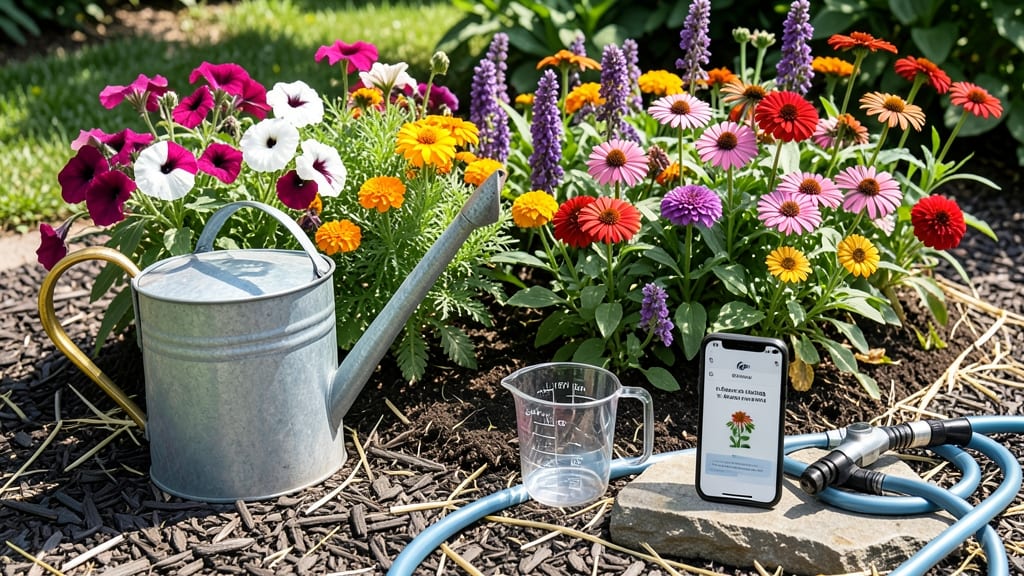
Struggling to keep your outdoor flowers thriving? Overwatering or underwatering can both kill your plants—so knowing the exact watering schedule for each type is key to a vibrant garden.
Here’s the secret: most flowers need deep watering every 2-3 days in spring and summer, but that changes with soil type, heat waves, and whether you’re growing thirsty annuals or drought-tolerant perennials.
Below, I break down seasonal schedules by plant type, plus 5 warning signs your watering routine is failing—so you can fix it before your blooms say goodbye.
Watering frequency by flower type: a seasonal guide
Keeping your outdoor flowers hydrated isn't one-size-fits-all—some annuals like petunias need daily watering in summer, while drought-tolerant perennials such as lavender thrive on weekly deep soaks. The key is understanding your climate zone and plant type.
In arid regions, most flowers need water every 3-5 days, while humid climates may require daily checks for thirsty blooms like hibiscus or impatiens.
Seasonal shifts dramatically change watering needs.
During spring, most flowers need 2-3 waterings per week as roots establish, but summer heat can double that requirement. Fall slows growth, so reduce to every 5-7 days, and winter often means minimal watering unless you're in a mild climate like USDA Zone 8+.
Let's break down watering schedules by flower category and climate type so you can tailor your routine. Whether you're growing sun-loving zinnias or shade-tolerant ferns, this guide ensures your garden stays vibrant without waste.
🌱
| Flower Type | Climate Zone | Spring Watering | Summer Watering | Fall Watering | Winter Watering |
|---|---|---|---|---|---|
| Annuals (Petunias, Marigolds) | Temperate | Every 2-3 days | Daily (deep soak) | Every 4-5 days | Bi-weekly |
| Perennials (Lavender, Coneflowers) | Arid | Every 5-7 days | Every 3-4 days | Every 7-10 days | Monthly (light) |
| Drought-Tolerant (Succulents, Yarrow) | Humid | Every 7-10 days | Every 5-7 days | Every 10-14 days | Monthly (if no rain) |
| Thirsty Blooms (Hibiscus, Impatiens) | Temperate | Every 2 days | Every other day | Every 5 days | Bi-weekly (light) |
| Bulbs (Tulips, Daffodils) | Cold | Every 5-7 days | Every 3-4 days | Every 7-10 days | None (dormant) |
For annual flowers, consistency is critical—they rely on steady moisture to produce vibrant blooms. In summer heat, I water mine early morning to prevent fungal diseases from
5 Signs your flowers are overwatered or underwatered (and how to fix it)
Even with the best intentions, it's easy to overwater or underwater your outdoor flowers. Too much water drowns roots, while too little causes stress and stunted growth. The key is recognizing the visual cues your plants send—and acting fast.
Let’s break down the 5 most common signs and how to correct them, so your garden stays lush and healthy.
Start by checking the soil moisture with your finger. Stick it about 1-2 inches deep—if it feels damp, hold off on watering. If it’s bone dry, your flowers are thirsty.
But watch out for yellowing leaves or mushy stems, which scream "overwatered!" These signs often appear within days, so don’t ignore them.
⚠️ How Often to Water Outdoor Flowers?
Most outdoor flowers need watering every 2-3 days in summer and every 5-7 days in cooler months. However, this varies by plant type and climate:
- Drought-tolerant flowers (e.g., lavender, succulents): Every 7-10 days
- Thirsty blooms (e.g., roses, hydrangeas): Every 1-2 days in heat
- Potted flowers: Daily in summer (pots dry out faster)
Always water deeply in the morning to reduce evaporation and fungal risks. Adjust based on rainfall—skip watering if you’ve had 1 inch of rain in the past 24 hours.
One of the first signs of underwatering is wilting leaves that don’t perk up even after watering. This is especially common in full-sun flowers like marigolds or sunflowers during heatwaves.
To fix it, give your plants a deep soak—aim for 1-2 inches of water per week—and mulch around the base to retain moisture. Avoid shallow watering, which only wets the surface.
On the flip side, overwatered flowers often develop yellowing leaves that start at the bottom. The edges may turn brown, and the leaves feel soggy to the touch.
If you see white mold (like cottony fuzz) on the soil or stems, you’re dealing with root rot, a fungal infection caused by excess moisture. Stop watering immediately and let the soil dry out completely before resuming.
For perennials like hostas or daylilies, underwatering causes crispy leaf edges and stunted growth, while overwatering leads to blackened stems and a foul smell. Test your soil’s drainage by digging a small hole—if water pools after 30 minutes, your soil is too compacted.
Amend it with compost or perlite to improve airflow to the roots.
If your annuals like petunias or geraniums are struggling, check for drooping buds or blossoms that fall off. This often means inconsistent watering—either too much or too little. Group plants with similar water needs together and use a moisture meter to track soil conditions.
For example, succulents and cacti need water only when the soil is completely dry, while impatiens prefer consistently moist soil.
Remember, recovery depends on how quickly you act. Trim away mushy or discolored leaves to redirect energy to healthy growth, and adjust your watering routine based on the season. With the right balance, your flowers will bounce back—and you’ll master the art of perfect hydration in no time! 🌷