
How To
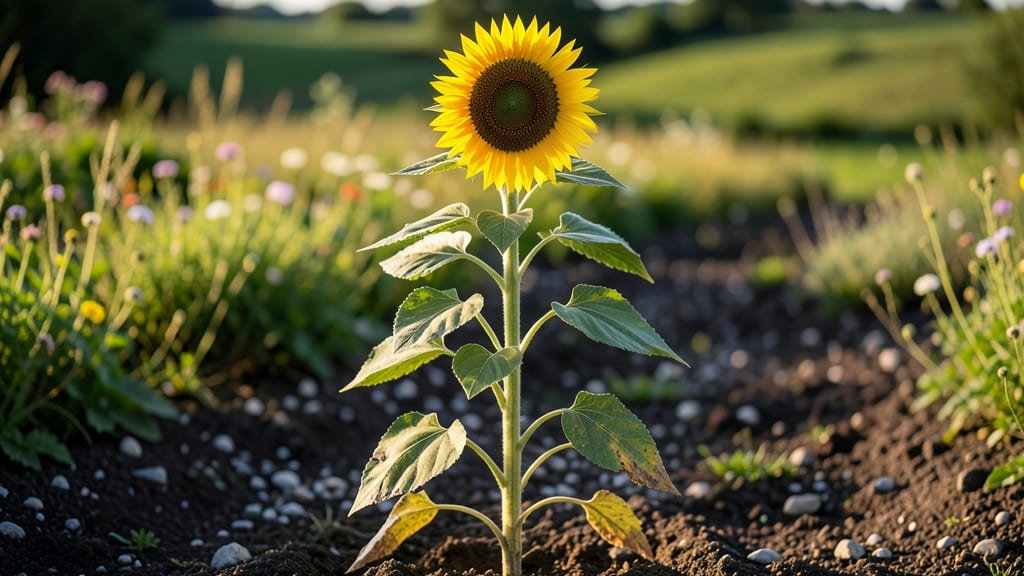
A sunflower can grow up to 16 feet tall, turning your garden into a towering, golden skyline that rivals any skyscraper.
Picture this: a 🌻 reaching higher than your fence, your roof, or even your second-story window—if you’ve ever dreamed of growing a sunflower that feels like a real-life giant, you’re not alone.
But here’s the catch: not all sunflowers hit those record-breaking heights. Some stay short and sweet, perfect for containers, while others stretch skyward with the right care and conditions.
The secret to maximizing height lies in choosing the right variety, giving them plenty of sunlight, and avoiding common mistakes like overcrowding or poor soil.
Whether you’re after a dwarf variety for a small space or a giant cultivar for a showstopper, knowing what to plant—and how to care for it—makes all the difference.
In this guide, I’ll break down the tallest sunflower varieties, the factors that push them to their limits, and practical tips to grow the sunflowers of your dreams—no matter how much space you have.


Sunflower height records: tallest varieties and their maximum growth potential
Sunflowers aren’t just cheerful garden stars—they’re vertical marvels, with some varieties stretching taller than a two-story house. The tallest sunflowers can reach heights of 12 to 16 feet under ideal conditions, making them the undisputed giants of the flower world.
These towering beauties aren’t just for show; they’re also prized for their bird-feeding potential and dramatic cut-flower arrangements.
But how do they grow so tall? The secret lies in their genetics, sunlight exposure, and growing conditions. Hybrid varieties like 'Mammoth' and 'Russian Giant' are bred specifically for height, while natural growing conditions—like rich soil, ample water, and full sun—help them reach their maximum potential.
Some competitive growers even push these limits further with specialized care techniques.
Here’s a breakdown of the tallest sunflower varieties and their documented record heights, along with the science behind their skyward growth:
| Variety | Record Height | Key Traits | Growing Notes |
|---|---|---|---|
| Russian Giant | 14–16 ft | Large blooms, sturdy stems | Needs staking; thrives in deep soil |
| Mammoth | 12–14 ft | Early bloomer, high yield | Resistant to lodging; full sun required |
| American Giant | 10–12 ft | Classic heirloom, long stems | Needs consistent moisture; tallest blooms |
| Colossus | 10–14 ft | Disease-resistant, sturdy | Ideal for windy areas; needs support |
| Giant Single | 12–15 ft | Single blooms, dramatic | Needs rich soil; prone to lodging |
The 'Russian Giant' holds the record for the tallest sunflower ever grown, reaching an astonishing 16 feet in competitive trials. This variety is a favorite among growers because its sturdy stems and large blooms make it ideal for both ornamental and functional uses, like bird feeders.
However, achieving such heights requires more than just planting the seeds—it’s about creating the perfect growing environment.
Sunflowers grow tall because of their unique phototropic response. They stretch toward the sun to maximize photosynthesis, which fuels their rapid vertical growth. In ideal conditions—with 8+ hours of sunlight, well-draining soil, and consistent watering—they can grow 3–4 inches per day during peak season.
This is why competitive growers often use fertile, loose soil and support stakes to prevent toppling.
One of the most impressive records was set in 2014, when a 'Russian Giant' sunflower in Germany reached 12.8 feet in just 80 days. This wasn’t just luck—it was the result of precision growing techniques, including daily watering, balanced fertilization, and optimal sunlight exposure.
Even in home gardens, you can encourage taller growth by planting seeds in early spring, when days are longer and temperatures are mild.
If you’re growing sunflowers for height, remember that soil depth plays a crucial role. Sunflowers have deep taproots, so planting them in at least 2 feet of loose soil allows their roots to access nutrients and water efficiently.
Adding compost or aged manure before planting can also boost growth by improving soil fertility. For the tallest varieties, consider staking or caging them early to prevent them from bending or breaking under their own weight.
Not all sunflowers are created equal when it comes to height. While giant varieties like 'Russian Giant' and 'Mammoth' can reach 12–16 feet, other varieties like 'Teddy Bear' or
How to maximize sunflower height: soil, sun, and care tips for giant growth
If you’ve ever dreamed of sunflowers reaching for the sky like skyscrapers, you’re not alone! With the right soil conditions, sunlight exposure, and care techniques, you can coax your sunflowers to grow taller than ever.
The secret lies in mimicking their natural habitat—deep, nutrient-rich soil and endless sunshine. But even the most robust varieties need a little help to avoid toppling under their own weight.
Most sunflower varieties can grow between 3 to 16 feet, but achieving their maximum height requires more than just planting seeds. Factors like watering depth, staking support, and even fertilizer timing play critical roles.
For example, the 'Mammoth' variety can hit 14+ feet with ideal care, while 'Russian Giant' sunflowers have been documented at 16 feet in competitive gardens.
⚠️ How Tall Can a Sunflower Grow?
The absolute maximum recorded height for a sunflower is 16 feet, achieved by 'Russian Giant' hybrids under perfect conditions. However, most home gardeners see heights between 8 to 12 feet for standard varieties. Dwarf varieties (1-3 feet) are ideal for containers, while giant cultivars need space, staking, and extra care to reach their full potential.
🌱 Pro Tip: Avoid over-fertilizing with nitrogen—it encourages leafy growth but stunts height.
To maximize height, start with well-draining soil rich in organic matter. Sunflowers thrive in loamy soil with a pH between 6.0 and 7.5. Amend heavy clay soil with compost or sand to improve aeration, which encourages deeper root growth—the foundation for taller stems.
I like to mix in a balanced 10-10-10 fertilizer at planting time to give seedlings a nutrient boost.
Sunlight is non-negotiable for towering sunflowers. Place your plants in a spot with at least 8 hours of direct sunlight daily. Partial shade can reduce height by 30-50%, so avoid planting near trees or structures that cast long shadows.
If you’re growing in containers, rotate them weekly to ensure even sun exposure on all sides. My 'Autumn Beauty' sunflowers grew 2 feet taller last year after I moved their pots to a sunnier balcony.
Watering deep and infrequently is key to preventing weak stems. Sunflowers need 1-2 inches of water per week, but shallow watering encourages surface roots, which can’t support tall growth. Instead, water at the base of the plant in the morning to reduce evaporation and fungal risks.
Overwatering or inconsistent moisture can cause stems to split or weaken, making them prone to toppling. Always check soil moisture—stick your finger 2 inches deep; if it’s dry, it’s time to water.
For varieties exceeding 10 feet, staking is a game-changer. Use bamboo stakes or tomato cages to provide support without restricting growth. Tie the stem loosely with soft plant ties every 2-3 feet as it grows, adjusting as needed.
I’ve seen 'Giant Russian' sunflowers lean dangerously without support—adding stakes early saved them from snapping in windy conditions. Avoid tight ties, which can girdle the stem and stunt height.
Finally, avoid these common mistakes that stunt growth: overcrowding plants (keep them 18-24 inches apart), using high-nitrogen fertilizers (they prioritize leaves over stems), and harvesting too early. Let the flower heads fully mature before cutting—this ensures the plant redirects energy to next year’s growth.
With these tips, you’ll be growing sunflowers that rival your fence—or even your roof! 🌻