
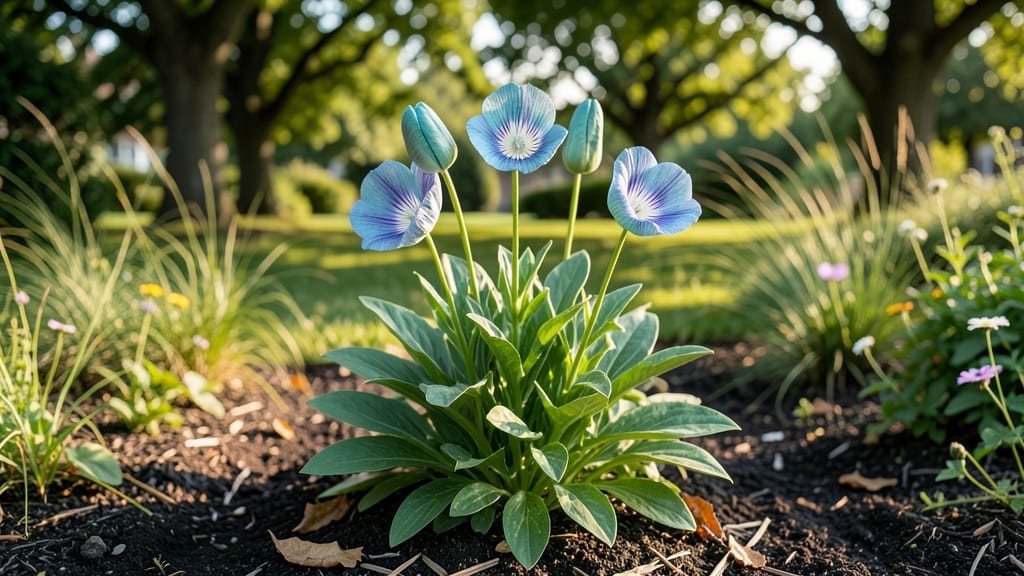
How Tall Do Balloon Flowers Get: Variety-Specific Heights for Garden Spacing

Size

How Tall Do Balloon Flowers Get: Variety-Specific Heights for Garden Spacing

How tall do balloon flowers get? They can grow anywhere from 8 inches to over 5 feet, depending on the variety you choose—so your garden layout depends entirely on which type you plant.

Picture this: a compact 12-inch "Little Bell" tucked into a window box next to a towering 4-foot "Grandiflorus" in the back of the border. That height difference means the wrong placement can make your garden look crowded or sparse. Here’s how to pick the perfect spot for each variety.

Tall varieties like "Blue Ensign" or "White Dawn" reach 3 to 5 feet, making them ideal for borders or as dramatic backdrops. Meanwhile, dwarf types like "Minuet" stay under 1 foot, perfect for containers or edging.

Knowing these ranges helps you avoid the common mistake of crowding out taller plants.

Below, I break down the exact heights for 10 popular varieties, plus spacing tips to keep your balloon flowers thriving without overpowering your design. You’ll learn how sunlight and pruning can even tweak their growth—so your garden stays balanced and beautiful.

📈 Balloon Flower Growth Timeline
1-2 ft
Year 1
2-3 ft
Year 2
2-3 ft
Year 3
2-3 ft
Mature

Balloon flower height by variety: tallest to shortest types explained

Balloon flowers (Platycodon grandiflorus) are one of those garden stars that deliver bold colors and unique balloon-shaped blooms, but their height varies dramatically depending on the variety. Some stay compact enough for container gardens, while others reach towering heights perfect for background planting.

Knowing these differences helps you plan your garden layout with precision—whether you're creating a front-border display or a dramatic backdrop.

From the dwarf varieties that barely top your knee height to the giant cultivars that rival small shrubs, each type has its own spacing needs and design purpose.

I’ve grown these beauties for years, and the first lesson I learned? Never assume all balloon flowers are the same size—that’s a rookie mistake I made with my first 'Mariesii' plants! Let’s dive into the specifics so you can pick the perfect fit for your space.

Pro Tip: Always check the mature height on your seed packet or plant tag, as even reputable nurseries sometimes list approximate ranges. For example, the 'Little Bell' might be labeled as 1-1.5 ft, but in my Zone 6a garden, it often maxes out at 18 inches with proper pruning.

Variety Mature Height Spacing (inches) Best For Notes
'Grandiflorus' 4-5 ft 24-36" Background accents Rare giant; needs staking
'Mariesii' 3-4 ft 18-24" Mid-height borders Classic blue variety
'Albus' 2.5-3.5 ft 18-24" White blooms; cut flowers Fragrant blooms
'Little Bell' 1-1.5 ft 12-18" Containers, front borders Perfect for small spaces
'Astra Blue' 2-2.5 ft 12-18" Mixed borders Drought-tolerant
'Blue Boy' 1.5-2 ft 12-18" Rock gardens Compact and bushy
'White Pearl' 2-2.5 ft 18-24" Cut flower arrangements

How balloon flower height affects garden design and spacing

Balloon flowers (Platycodon grandiflorus) bring whimsical charm to any garden, but their height range—from 8 inches to 5 feet—means placement makes all the difference. Tall varieties can become dominant focal points, while dwarf types thrive in containers or front borders.

Understanding how height impacts your layout helps create balanced visual layers that highlight each plant's unique structure.

Start by grouping plants by height zones to avoid overcrowding or awkward gaps. For example, tall balloon flowers (like 'Grandiflorus') belong at the back of borders or in mixed perennial beds, while semi-dwarf varieties (1.5–2 ft) work beautifully in mid-height groupings with catmint or salvia.

Dwarf types (8–12 in) shine in container gardens or as edging plants near walkways.

🌿 Height-Based Planting Guide
  • Front Border (8–12 in): 'Little Bell', 'Purple Dome' – pair with ajuga or thyme for texture contrast.
  • Mid-Height Groupings (1.5–2 ft): 'Mariesii', 'Alba' – combine with catmint or yarrow for vertical interest.
  • Background Accents (3–5 ft): 'Grandiflorus', 'Blue Ball' – plant behind shasta daisies or black-eyed Susans.
  • Container Gardens (all heights): Mix dwarf and semi-dwarf varieties in 12–18 inch pots with lavender or fuchsia.
  • Companion Tip: Tall balloon flowers cast light shade—pair with shade-tolerant plants like heuchera at their base.

When designing, consider mature height (not just seedling size) to avoid future crowding. For instance, a 3-foot 'Blue Ball' planted 18 inches apart will need thinning after 2 years to prevent competition.

Use staking for tall varieties in windy areas, but avoid over-supporting—balloon flowers grow sturdy stems when given well-draining soil and regular deadheading.

For small spaces, opt for dwarf varieties in raised beds or hanging baskets, where their compact growth maximizes impact. In large gardens, use height variation to create depth: plant tall balloon flowers behind shrubs like potentilla or spirea to frame them.

This layering trick draws the eye through the garden, not just upward.

Pro tip: Prune leggy stems in early spring to encourage bushier growth, which reduces height while increasing flower density. This works best for semi-dwarf and standard types—avoid heavy pruning on dwarf varieties, as it stresses their delicate structure.

Always prune after flowering to preserve next year’s blooms.

Finally, remember that balloon flowers thrive in full sun, so their height affects light competition. If planting near tall trees or shrubs, choose dwarf varieties or early-blooming types that finish flowering before summer shade intensifies.

With the right spacing, your balloon flowers will elevate your garden’s design—literally and visually! 🌸

★★★★★4.8(4 reviews)
Categories Size