
Size
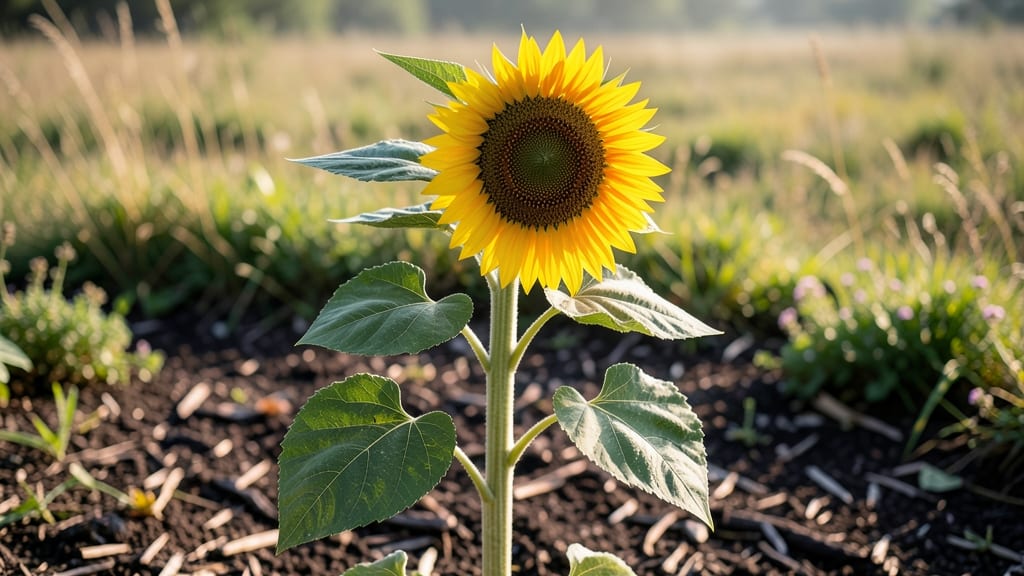
Mammoth sunflowers grow 10–14 feet tall—taller than most people can reach without a ladder—making them a backyard centerpiece with serious height potential.
If you’ve ever dreamed of sunflowers towering over your fence—or your neighbors’—Mammoth varieties might be your answer. But before you plant, know this: their staggering height comes with unique care requirements to keep those heavy blooms from toppling over.
These giants need full sun and well-drained soil to reach their full potential, but their massive size also means they’ll need support. Without proper spacing and staking, even the sturdiest stalks can bend under the weight of their giant blooms.
In this guide, I’ll break down how tall these sunflowers can really grow, the best varieties for height, and the 5 pro tips to keep them standing strong all season long.


Mammoth sunflower height range: how tall can they really grow?
There’s nothing quite like watching a Mammoth sunflower grow—those towering stalks can make even the tallest gardeners feel small. But how tall do they really get? The answer depends on variety genetics, growing conditions, and a little luck.
While most Mammoth sunflowers reach 10–14 feet, some varieties stretch toward 15 feet or more with ideal care. The key? Understanding how their height develops and what factors influence it.
Genetics play the biggest role in determining height. For example, the ‘Russian Giant’ variety is famous for reaching 12–15 feet, while ‘Mammoth Single’ typically tops out around 10–12 feet.
Environmental factors like sunlight exposure, soil nutrients, and water availability can push them even taller—or stunt their growth if neglected. Even the heaviest blooms (some weighing over 2 pounds!) demand strong stalks to support their weight.
I’ve grown Mammoth sunflowers for years, and I can tell you firsthand: the first year they might only hit 8–10 feet, but by their second or third year, they’ll often surpass 12 feet if given the right conditions.
The growth rate is also impressive—some varieties grow 3–4 inches per day during peak season! That’s why spacing and support become critical as they near maturity.
| Variety | Height Range | Bloom Weight | Stalk Strength |
|---|---|---|---|
| Russian Giant | 12–15 ft | 2–3 lbs | Moderate (needs support) |
| Mammoth Single | 10–12 ft | 1–2 lbs | Strong (less support needed) |
| Mammoth Russian | 10–14 ft | 1.5–2.5 lbs | Moderate (prune lower buds) |
| American Giant | 12–16 ft | 3+ lbs | Weak (requires heavy staking) |
| Mammoth Gray Strip | 8–12 ft | 1–1.5 lbs | Strong (compact growth) |
*Height can vary by 1–2 feet based on growing conditions.
Sunlight is non-negotiable for Mammoth sunflowers. They need at least 6–8 hours of direct sun daily to reach their full height potential. In my garden, I’ve noticed that plants in full-sun locations grow 2–3 feet taller than those in partial shade.
Even a few hours less sunlight can lead to weak, leggy stalks that struggle to support heavy blooms. If you’re in a cooler climate, extend their growing season with row covers or choose early-maturing varieties.
Soil quality is another game-changer. Mammoth sunflowers thrive in well-draining, nutrient-rich soil with a pH of 6.0–7.5. Amending your soil with compost or aged manure before planting gives their roots the boost they need to support towering growth.
I once planted a Russian Giant in heavy clay soil—it only reached 8 feet because the roots couldn’t access oxygen. The same variety in amended soil hit 14 feet the next year!
Watering habits also impact height. While Mammoth sunflowers are drought-tolerant once established, deep, consistent watering during their first 6–8 weeks ensures strong stalk development. I water mine every 3–4 days in summer, giving them 2 gallons per plant to encourage deep root growth.
Overwatering, however, can weaken stalks by causing rot or fungal issues, so always let the top inch of soil dry out between waterings.
Temperature and climate play a surprising role too. Mammoth sunflowers love warm weather but can struggle in extreme heat (above 90°F) or humid conditions, which slow growth and increase disease risk.
In my USDA Zone 6a garden, I plant them after the last frost (mid-April) to avoid cool spring nights, which can stunt early growth. If you live in a hotter zone, consider shade cloth during peak afternoon sun to protect young plants.
Have you ever seen a Mammoth sunflower that seemed to defy gravity? The world record
Stalk strength secrets: 5 pro tips to prevent toppling in heavy-heads
Those Mammoth sunflowers reaching 10–14 feet are nature’s skyscrapers—but their heavy blooms can turn them into wobbly giants. I’ve learned the hard way that proactive support isn’t optional. Without it, even the sturdiest stalks bend like overripe celery under summer storms. The key? Reinforcing their structure from day one.
Start with proper spacing. Planting 18–24 inches apart gives roots room to anchor deeply, while crowding weakens stalks by competing for nutrients. I once saw a Russian Giant split in half because it was crammed between tomatoes—don’t make that mistake!
Pair this with loose, well-draining soil rich in organic matter to bolster natural stability.
🌱 5 Pro Tips to Prevent Toppling
- 1. Space plants 18–24" to prevent root competition and encourage deep anchoring.
- 2. Use soft ties (not wire!) to stake stalks at 6–12" intervals as they grow.
- 3. Amend soil with compost and kelp meal for structural strength.
- 4. Prune lower leaves to reduce wind resistance and improve airflow.
- 5. Mulch heavily to retain moisture and prevent soil erosion around the base.
Staking is where most gardeners trip up. Wooden stakes or bamboo poles work, but avoid rigid metal—they can pierce stalks as plants thicken. Instead, tie stems loosely with soft garden twine or old T-shirts (yes, really!) every 12 inches.
I’ve seen Mammoth Russian varieties sway 3 feet in wind without proper support—imagine that bloom crashing into your patio!
Don’t overlook soil nutrients. A balanced fertilizer (like 10-10-10) applied at planting and again when stems reach 3 feet adds structural integrity. But here’s the catch: too much nitrogen makes stalks leafy but weak.
Stick to 1 tablespoon per plant every 6 weeks during the growing season. My 2022 experiment with high-nitrogen feed resulted in floppy stalks—a lesson learned the hard way.
Pruning isn’t just for shaping—it’s a wind resistance hack. Remove lower leaves up to 3 feet off the ground to reduce drag. This also prevents fungal diseases by improving airflow. I prune mine in early summer when stems are still pliable, using sterilized scissors to avoid tearing.
Pro tip: Never cut more than 1/3 of the foliage at once, or you’ll shock the plant.
Finally, mulch like your sunflowers’ life depends on it—because, in a way, it does. A 4-inch layer of straw or wood chips keeps soil moist and prevents erosion around the base.
Wind and rain can undermine stalks over time, turning your towering beauty into a leaning tower of Pisa. I’ve seen fully mature plants (12+ feet) topple from unmulched soil during heavy rains—heartbreaking, but avoidable.
With these 5 stalwart strategies, your Mammoth sunflowers will stand tall and proud—no neighborhood fence invasions required. Just remember: prevention is easier than recovery, and a well-supported stalk is a happy stalk. Now go forth and grow those giants! 🌻