
Size
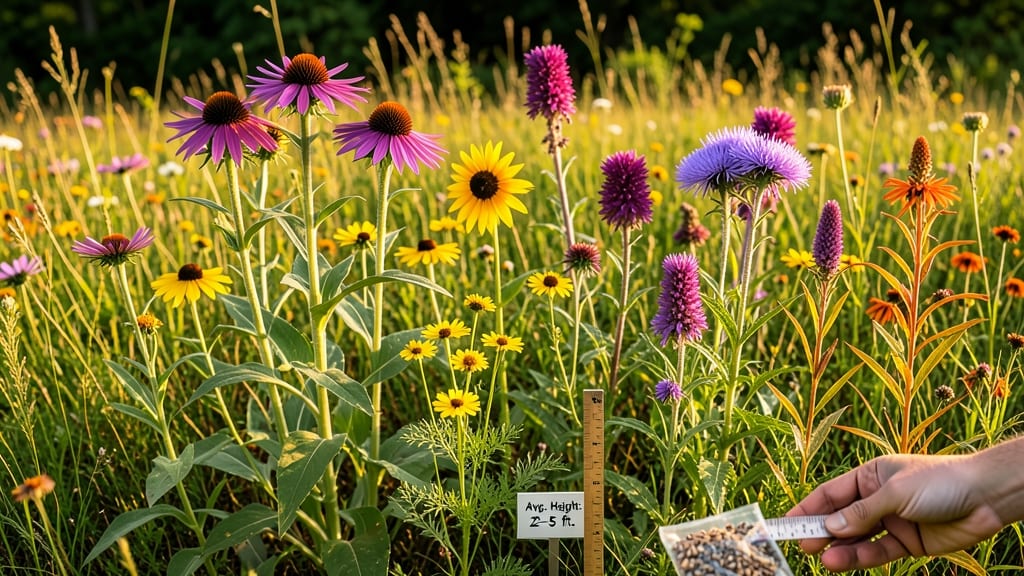
Wildflowers grow anywhere from just 6 inches to a tall 6 feet, depending on the species and growing conditions.
Planning a wildflower garden but unsure which varieties will fit your space? Knowing the height ranges of wildflowers is essential for creating a balanced, visually stunning landscape that thrives without overcrowding.
Some of the most popular choices, like black-eyed Susans and coneflowers, typically reach 2 to 4 feet, making them perfect for mid-height garden beds. Meanwhile, sunflowers can soar to 6 feet or more, adding dramatic vertical interest.
In this guide, you’ll discover how soil, sunlight, and climate affect their growth, plus tips to manage height for a cohesive, pollinator-friendly garden that works for your space.


Wildflower height ranges by type: short, medium, and tall varieties explained
Designing a wildflower garden requires understanding height variations to create visual balance and functional spaces. Some varieties stay compact, perfect for borders or containers, while others reach towering heights, ideal for backdrops or privacy screens. Knowing these ranges helps you plan layers that attract pollinators while maximizing your space.
Wildflowers generally fall into three height categories: short (under 12 inches), medium (1-4 feet), and tall (4+ feet). Each category serves a unique purpose in garden design, from ground covers to dramatic focal points.
Let’s explore the most popular varieties in each range and how they can transform your outdoor space.
| Category | Height Range | Examples | Best Uses |
|---|---|---|---|
| Short | Under 12" | Creeping Phlox, Alyssum, Baby's Breath | Borders, rock gardens, containers |
| Medium | 1-4 ft | Black-Eyed Susan, Coneflower, Blanket Flower | Meadows, pollinator gardens, mid-height layers |
| Tall | 4+ ft | Sunflowers, Giant Fleabane, Joe-Pye Weed | Backdrops, privacy screens, focal points |
Short wildflowers like creeping phlox or alyssum thrive in tight spaces, making them perfect for rock gardens or container plantings. Their low height allows sunlight to reach nearby plants, promoting a healthy ecosystem. These varieties also work well in urban gardens where space is limited but pollinators are welcome.
Medium-height wildflowers, such as black-eyed Susans and coneflowers, strike a balance between visibility and space efficiency. They create a lush, pollinator-friendly meadow when planted in groups, offering nectar for bees and butterflies.
These plants typically mature between 2 and 3 feet, making them ideal for mid-height garden layers.
Tall wildflowers like sunflowers or giant fleabane add drama and structure to gardens. Their towering heights—often 5 to 6 feet—make them excellent choices for backdrop planting or creating natural privacy screens. When placed strategically, they can also act as windbreaks or focal points in larger landscapes.
When designing your garden, consider plant spacing based on mature heights. Overcrowding can lead to competition for nutrients and sunlight, stunting growth. For example, tall sunflowers need at least 18 inches of space between plants, while dwarf varieties like alyssum can be planted closely together for a dense, carpet-like effect.
Another factor influencing height is soil quality and sunlight exposure. Wildflowers planted in well-draining soil with 6+ hours of sunlight tend to reach their full potential.
In contrast, poor soil or shade can result in shorter, less vibrant plants. Amending soil with compost before planting can significantly improve growth and flowering.
For pollinator-friendly meadows, layering heights creates a dynamic environment. Start with short ground covers like clover, add medium-height blooms such as coneflowers, and top with tall grasses or sunflowers. This arrangement ensures pollinators have access to nectar at every level, from the ground up to eye level.
If you’re working with limited vertical space, consider container gardening for shorter varieties. Small pots or window boxes filled with alyssum or baby’s breath can add color and texture to patios or balconies. Just ensure containers have drainage holes to prevent root rot.
Finally, don’t overlook the seasonal changes in wildflower heights. Some varieties, like sunflowers, grow rapidly in summer but may need staking to prevent flopping. Others, such as winter aconite, stay low but bloom early in the season, adding color to late-winter gardens.
Best wildflowers for small spaces: compact varieties under 2 feet
Transforming tight spaces into vibrant pollinator havens is easier than you think—especially when you choose compact wildflowers that stay under 2 feet tall. These petite powerhouses thrive in containers, window boxes, or crevices between stepping stones while attracting bees, butterflies, and hummingbirds.
The key? Selecting varieties bred for controlled growth and providing proper care to maintain their tidy stature.
From dwarf coneflowers to tiny coreopsis, these wildflowers prove that big impact doesn’t require big space. Many also boast long bloom times, giving you months of color with minimal upkeep.
Whether you're working with a balcony garden, rockery nook, or urban courtyard, these varieties will fit perfectly while supporting local ecosystems.
- Creeping Thyme (6-9") – Fragrant ground cover with lavender blooms perfect for edging.
- Baby's Breath (8-12") – Airy white flowers that brighten containers and attract beneficial insects.
- Sweet Alyssum (6-10") – Clusters of tiny purple/pink flowers with a honey-like scent.
- Miniature Coneflower (12-18") – Pollinator magnet with daisy-like blooms in pink/purple.
- Coreopsis 'Moonbeam' (12-16") – Golden-yellow flowers that bloom continuously.
- Black-Eyed Susan 'Goldsturm' (12-18") – Classic orange daisies with long seasonal interest.
- Deadhead regularly to prevent seed formation and encourage compact growth.
- Use well-draining soil mixed with compost to support root health.
- Space plants 6-12 inches apart to allow air circulation and reduce disease risk.
For containers, choose varieties like creeping phlox or dwarf shasta daisies—both stay under 18 inches and spill beautifully over edges. In rock gardens, alpine penstemon and miniature lupines create stunning cascades while staying under 12 inches.
The secret to keeping these wildflowers short and bushy lies in consistent care: prune leggy stems, avoid over-fertilizing, and ensure they receive 6+ hours of sunlight daily.
Pro tip: Mix heights within containers by pairing 6-inch thyme with 18-inch coreopsis—this creates visual interest while keeping the overall profile manageable. Most of these varieties are perennial, meaning they’ll return year after year with minimal effort, making them ideal for low-maintenance gardens.
Don’t overlook the pollinator benefits—even these petite plants pack a punch for bees and butterflies. Plant them near herbs or vegetables to create a functional pollinator garden that supports your entire landscape.
With the right selection and care, your small space can become a thriving wildflower oasis without sacrificing precious square footage.