
How To
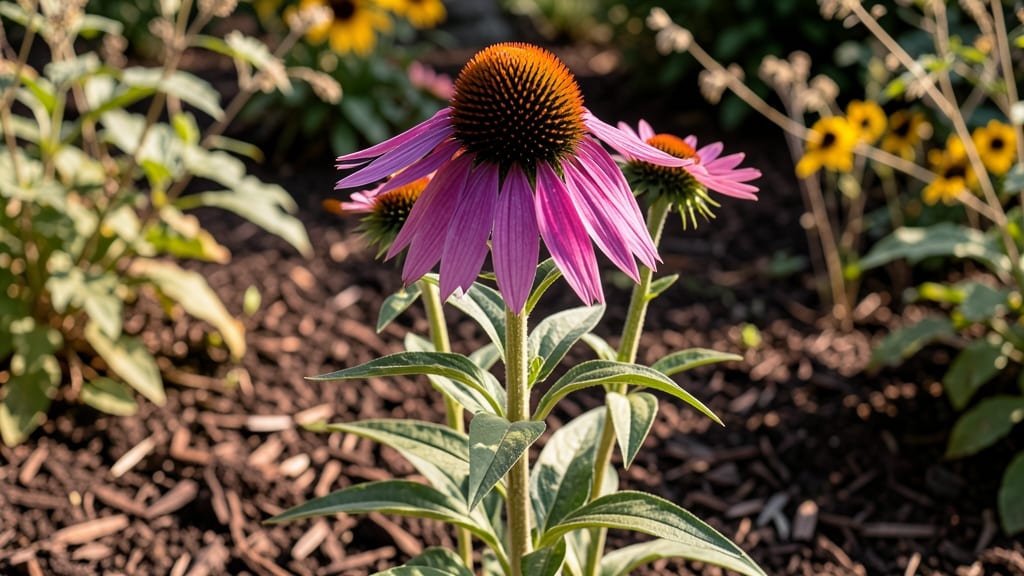
Coneflowers grow between 1 and 5 feet tall, depending on the variety and growing conditions, making them a versatile choice for pollinator gardens and cut flower arrangements.
Picture this: a vibrant purple 🌼 blooming in your garden, drawing bees and butterflies while requiring almost no maintenance. But before you plant, you need to know how much space to give them—because a 3-foot variety in full sun can easily double in height if left unchecked.
The key to controlling their size lies in sunlight, soil, and pruning. Too much shade? Expect shorter, sparser blooms. Too much nitrogen? You’ll get leafy stems instead of those iconic daisy-like flowers. But with the right care, even the tallest varieties stay manageable and stunning.
In this guide, I’ll break down height ranges by popular varieties, how sunlight affects growth, and the simple pruning tricks that keep your coneflowers bushy and blooming all season long.


Coneflower height variations by popular varieties (with mature size guide)
Choosing the right coneflower variety depends on your garden space and design goals. Some varieties stay compact at 1-2 feet, while others reach towering 5 feet or more. Knowing these height ranges helps you plan spacing and create stunning pollinator-friendly displays.
Let’s explore the most popular Echinacea varieties and their mature sizes to help you pick the perfect fit for your garden.
Whether you’re designing a pollinator garden, a cut-flower arrangement, or a low-maintenance border, selecting the right coneflower height ensures your plants thrive without overcrowding.
Below, you’ll find a side-by-side comparison of 8 top varieties, including their mature heights, ideal spacing, and best uses in the landscape.
For example, 'White Swan' and 'Magnus' reach 4–5 feet, making them ideal for the back of borders or as dramatic focal points. In contrast, 'Kim’s Knee High' stays under 2 feet, perfect for containers or rock gardens where space is limited.
Always space your coneflowers according to their mature size to ensure proper airflow and prevent disease.
If you’re growing coneflowers in containers, opt for dwarf varieties like 'Hot Papaya' or 'Green Jewel', which thrive in 5–10 gallon pots with well-draining soil. Larger varieties like 'White Swan' need 15+ gallon containers to support their height and root systems.
Mulch around the base to retain moisture and suppress weeds, especially in the first year.
Pro tip: Plant tall varieties like 'Magnus' behind shorter perennials to create a layered look. Pair dwarf coneflowers with salvias or black-eyed Susans for a colorful, low-maintenance front border. The key is balancing height variations while ensuring each plant gets 6+ hours of sunlight daily for optimal growth.
Remember, coneflower height can vary slightly based on your USDA hardiness zone and growing conditions. In cooler climates (Zones 3
How sunlight exposure affects coneflower height (and when to prune for optimal growth)
Sunlight exposure plays a critical role in determining how tall your coneflowers grow. These hardy perennials thrive in full sun, where they can reach their mature height of 3-5 feet.
In partial shade, however, you’ll often see stunted growth—sometimes as much as 20-30% shorter—because the plant diverts energy to leaf production instead of flowering.
For example, my 'Magnus' coneflowers in full sun hit 4 feet tall with bold purple blooms, while identical plants in partial shade maxed out at 2.5 feet with fewer flowers.
The difference is striking! Understanding this relationship helps you plan your garden layout for optimal growth and pollinator appeal.
To maximize height and bushier blooms, prune your coneflowers strategically. The best time to prune is late winter or early spring, just as new growth begins. Cut back dead foliage to 4-6 inches above the ground—this encourages stronger stems and more flowers later in the season.
If your coneflowers are already too tall for your space, you can lightly trim them in early summer after the first flush of blooms. This encourages branching and prevents flopping stems.
I’ve found that dwarf varieties like 'White Swan' respond well to this technique, staying compact while still producing abundant flowers.
For optimal growth, pair your coneflowers with companion plants that thrive in similar conditions. Tall varieties like 'Magnus' pair beautifully with black-eyed Susans or Russian sage, while dwarf types like 'Green Envy' complement lavender or salvia. This creates a layered effect that maximizes your garden’s visual impact.
Remember, pruning isn’t just about height control—it’s also about plant health. Regularly remove spent blooms throughout the season to encourage continuous flowering and prevent seed production, which can drain the plant’s energy.
With the right sunlight exposure and pruning habits, your coneflowers will reward you with vibrant blooms and pollinator-friendly beauty for years to come. 🌼