
How To
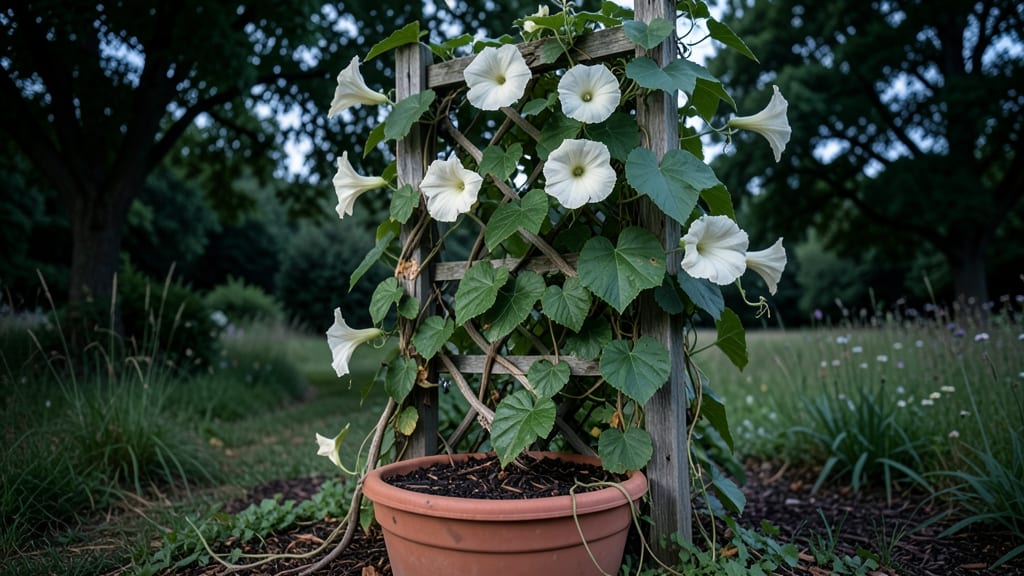
A moonflower vine can grow 10 to 25 feet tall—think of it as a fragrant, nocturnal skyscraper for your garden, climbing trellises, fences, or even pergolas with ease.
If you’ve ever dreamed of a garden adorned with dramatic, fragrant blooms that open only under moonlight, moonflower vines (Ipomoea alba) could be your perfect match—but first, you need to know how tall they’ll climb.
These fast-growing, tropical vines thrive in warm climates like USDA Zone 6a and beyond, where they can stretch to towering heights if given the right support and care.
Below, I’ll break down how variety, trellis type, and seasonal care influence vine length, plus 5 pro tips to encourage your moonflower 🌙 to reach its full potential—without sacrificing those dreamy night-blooming flowers.


Moonflower vine height by variety: from compact to towering giants
Moonflowers (Ipomoea alba) are famous for their dramatic night-blooming flowers and rapid growth, but their vine length varies dramatically by variety. Some stay compact enough for containers or small trellises, while others become towering giants capable of climbing 25-foot fences or pergolas.
Understanding these differences helps you choose the perfect variety for your space—whether it’s a balcony garden or a rural backyard.
Genetics play the biggest role in determining vine height, but growing conditions like sunlight, soil quality, and support structures also influence how tall your moonflower will grow.
For example, a dwarf variety might only reach 10 feet in ideal conditions, while a standard type can easily exceed 20 feet with proper care. Let’s explore the range so you can plan your garden’s vertical design.
📌 Key Takeaway: Moonflower vine lengths typically fall into three categories: dwarf (10–15 ft), standard (15–20 ft), and giant (20–25+ ft). The table below breaks down the most popular varieties and their typical mature heights to help you visualize their scale in your garden.
| Variety | Typical Vine Height | Best For | Notes |
|---|---|---|---|
| 'Alba Compacta' | 10–15 ft | Containers, small trellises | Dwarf variety; ideal for patios |
| 'Moonlight' | 15–20 ft | Fences, arbors, pergolas | Standard height; prolific bloomer |
| 'Grandiflora' | 20–25+ ft | Large trellises, chain-link fences | Giant variety; needs sturdy support |
| 'White Dawn' | 12–18 ft | Balconies, small gardens | Semi-dwarf; fragrant blooms |
| 'Heavenly Blue' (hybrid) | 18–22 ft | Pergolas, tall arbors | Unique blue-green blooms; vigorous |
If you’re growing moonflowers in containers, even the tallest varieties can be managed with regular pruning and strong trellis support. For example, a 20-foot vine in a large pot (20+ gallons) might only reach 12–15 feet due to root restriction.
Conversely, in ground plantings with full sun, these vines will stretch to their genetic maximum—sometimes even exceeding the numbers above if given ideal conditions.
Another factor to consider is climate. Moonflowers thrive in USDA Zones 9–11 as perennials, but in cooler zones (like Zone 8), they’re often grown as annuals.
In these regions, their first-year growth may be slightly slower, but with proper winter protection (like mulching), they can still reach standard heights by summer. In Zone 7 or colder, treat them as annuals and expect full-size growth in their single season.
For urban gardeners with limited space, dwarf varieties like 'Alba Compacta' are perfect for balcony planters or small trellises. These vines stay under 15 feet, making them ideal for renters or apartment dwellers who want night-blooming beauty without overwhelming their space.
Pair them with compact succulents or herbs to create a multi-level vertical garden.
On the other hand, if you have a large fence, pergola, or arbor, giant varieties like 'Grandiflora' will create a stunning vertical canopy. Imagine 25-foot vines draped over a pergola, their silvery-white blooms glowing under the moonlight.
To achieve this, install a strong trellis or fence before planting, as moonflowers twine clockwise and need immediate support to climb properly.
One common mistake gardeners make is underestimating the vine’s reach. A 15-foot vine might seem manageable, but without proper training and pruning, it can sprawl uncontrollably or break weak supports.
Always secure the base of the vine and tie it to the trellis every 2–3 feet as it grows. This ensures even distribution and prevents wind damage during storms.
Finally, remember that pruning encourages bushier growth but may slightly reduce overall vine length. If your goal is maximum height, avoid heavy pruning—instead, pinch back only the tips to promote longer, straighter vines.
For bushier, more compact growth, prune laterally to encourage side shoots. Experiment with your variety to find the ideal balance for your garden’s aesthetic.
Whether you’re dreaming of a whimsical balcony garden or a grand backyard trellis, choosing the right moonflower variety—and giving it the support it needs—will transform your space into a magical nighttime retreat. 🌙
How support structures affect moonflower growth: trellises, arbors, and more
The right support structure can transform your moonflower vine from a sprawling ground cover into a stunning vertical display. Without proper support, these vines may grow only 5-8 feet tall, but with the ideal trellis or arbor, they’ll reach their full 15-25-foot potential.
The type of support you choose directly impacts not just vine length, but also blooming frequency and structural integrity during storms.
Moonflowers thrive when given something to climb, as their tendrils naturally seek vertical surfaces. A chain-link fence or wooden trellis provides the perfect anchor, encouraging rapid upward growth. However, not all supports are equal—some materials may restrict growth or fail under the vine’s weight.
Let’s explore the best options for maximizing your moonflower’s height while keeping your garden safe and beautiful.
| Support Type | Max Vine Height | Bloom Frequency | Structural Notes |
|---|---|---|---|
| Bamboo Poles (DIY) | 15-20 ft | High (abundant) | Lightweight, easy to install; may need staking in wind |
| Chain-Link Fence | 20-25 ft | Very High | Durable, allows full vine spread; may rust over time |
| Wooden Trellis | 18-22 ft | High | Aesthetic, sturdy; requires regular maintenance |
| Pergola | 20-25 ft | Very High | Provides shade; ideal for large gardens |
| Metal Arbor | 15-20 ft | Moderate | Durable, modern look; may overheat in sun |
| No Support | 5-8 ft | Low | Sprawling growth; fewer blooms |
For urban gardeners with limited space, a DIY bamboo pole trellis is an excellent choice. Simply drive 6-8 foot poles into the ground, 3-4 feet apart, and weave twine between them for the vine to twine around. This setup allows moonflowers to reach 15-20 feet while keeping your footprint small.
If you’re working with a chain-link fence, the vine will naturally climb and spread, creating a lush, fragrant curtain that can reach the top of a 6-foot fence in just one season.
When selecting a support, prioritize sturdiness and durability, especially if you live in a windy area. A wooden trellis or pergola not only supports the vine’s weight but also adds architectural interest to your garden.
For container gardening, a small metal arbor or even a sturdy plant stand can help moonflowers climb 8-12 feet while keeping them contained.
Remember, the taller your moonflower grows, the more blooms it will produce. A well-supported vine can flower continuously from summer to frost, filling your garden with intoxicating nighttime fragrance. Just be sure to prune regularly to encourage upward growth and remove any damaged or overcrowded vines.
With the right support, your moonflower will become the star of your vertical garden.
🌿