
Blooming
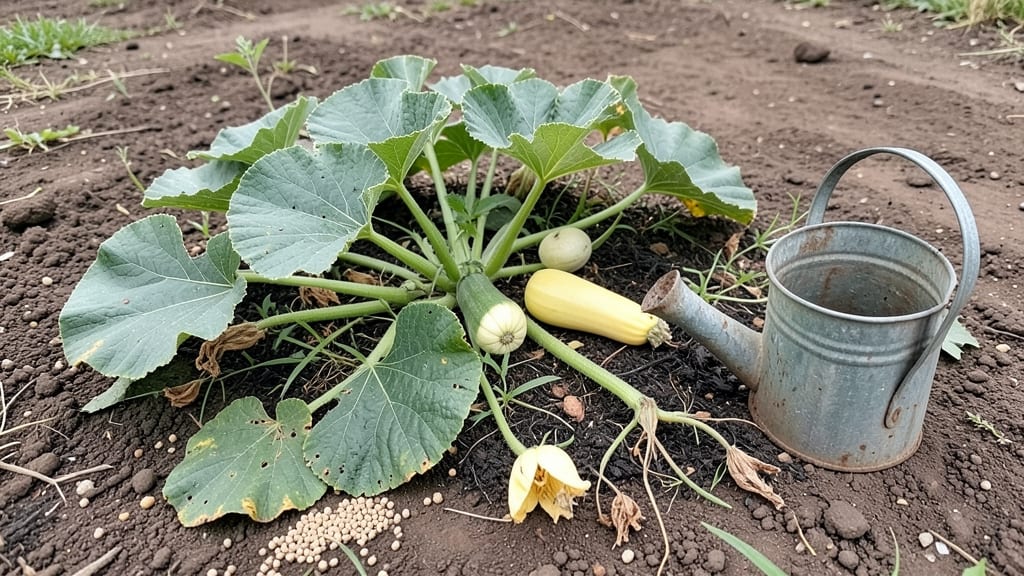
Getting more female flowers on squash plants means more fruits on the vine—no more empty blooms and wasted energy. 🌱 I’ve spent years watching squash plants struggle with this, and the solution comes down to a few key adjustments: watering, feeding, and stress management.
The difference between a handful of zucchinis and a bushel is often just a matter of timing and balance.
Most gardeners overdo nitrogen, which pushes leafy growth at the expense of flowers. Instead, focus on phosphorus and potassium—they’re the real game-changers for blooms. A simple switch to a balanced 5-10-10 fertilizer or compost tea does wonders, and consistent watering (not soggy soil) keeps plants happy without shocking them.
Even a quick pruning session to open up the plant for better airflow can make a difference.
You’ll notice more female flowers within two weeks if you adjust these factors. The first sign? Those telltale tiny fruits forming at the base of the blooms instead of empty blossoms. The plants themselves will look stronger, too—fewer stressed leaves and more energy directed where it counts.
This isn’t rocket science; it’s just giving your squash what they need to focus on producing.
Works for both bush and vining varieties, whether you’re growing in the ground or containers. The principles stay the same—just scale the adjustments to your plant’s size. Let’s get those vines loaded with fruit!
📚 In This Guide
- What you need
- Instructions
- Tips and common mistakes
- Wrapping up and next steps
What you need
- ● Squash plants (butternut, zucchini, acorn, or pumpkin—choose varieties known for prolific female flowers).
- ● Well-draining soil (pH 6.0–7.0; mix in compost for nutrients).
- ● Balanced fertilizer (10-10-10 or 5-5-5, 1–2 tbsp per plant at planting time).
- ● Organic matter (aged manure or composted leaves, 2–3 cups per plant as a top dressing).
- ● Watering can or hose with a gentle spray nozzle (avoid wetting leaves to prevent disease).
- ● Pruning shears (sterilized with rubbing alcohol).
- ● Handheld fan or small battery-operated fan (for manual pollination).
- ○ Pollination tool (optional but helpful: a soft paintbrush or cotton swab).
- ● Bee-friendly plants (marigolds, borage, or basil nearby to attract pollinators).
- ● Shade cloth (30–50% coverage to protect flowers from extreme heat).
- ● Growth regulator (like kelp meal, 1 tbsp per gallon of water, to boost female flowers).
- ● Plant tags or markers (to track progress and identify female flowers early).
Step-by-step instructions for boosting female flowers on squash plants
Here's the simple method I use to turn more male blooms into productive female flowers.
🌿 Step 1: Identify and Remove Male Flowers Early
Female flowers grow at the base of squash plants where the fruit forms, while male flowers appear on long stems higher up. I start checking plants at 3-4 weeks after transplanting—this is when the first true flowers open. Look for tiny fruits forming behind the blossom: that's your female flower.
Use clean pruning shears to snip off male flowers as soon as they open. This redirects the plant's energy toward developing female blooms. I remove them in the morning when the flowers are still closed—this prevents bees from pollinating them accidentally. Real talk: It takes about 15 minutes daily for a mature plant, but it makes a huge difference.
☀️ Step 2: Provide Consistent Warmth and Sunlight
Squash plants need full sun (6+ hours daily) and soil temperatures above 65°F to produce female flowers. I've found that placing them in the warmest part of the garden—often near the foundation where heat radiates—boosts flower production. If your mornings are chilly, consider using black plastic mulch to warm the soil faster.
Watch for signs of stress like yellowing leaves or wilting—this often means the plant isn't getting enough heat. Move containers to sunnier spots immediately if they're not flowering well. I also avoid watering the leaves during hot afternoons, as wet foliage can cause disease that weakens the plant's energy for flowering.
💧 Step 3: Water Deeply and Strategically
Squash plants need 1-2 inches of water weekly, delivered directly to the soil—not the leaves. I water in the morning so the plants have all day to dry out, which prevents fungal issues. The key is consistency: let the top 1-2 inches of soil dry between waterings. Too much moisture stresses the plant and reduces flowering.
Here's the thing—if you notice flowers dropping off before they open, you're likely overwatering. Female flowers are more sensitive to moisture stress than male flowers. I always check the soil with my finger before watering: if it's damp 1 inch down, I wait another day. This small adjustment prevents wasted energy on weak blooms.
✂️ Step 4: Prune for Better Airflow and Energy Focus
Thin out crowded vines to improve airflow and light penetration. I remove any suckers (side shoots) growing from the main stem, keeping only 2-3 strong vines per plant. This ensures the plant isn't splitting its energy between too many growth points. Use sharp shears to cut just above a leaf node to encourage healthy regrowth.
Prune in the morning so the cuts have time to dry before evening moisture sets in. You'll see a noticeable difference in 1-2 weeks: the remaining vines will thicken, and you'll get more female flowers. Don't skip this—overcrowded plants produce mostly male flowers because they're stressed trying to support too much foliage.
🐝 Step 5: Hand-Pollinate for Maximum Female Flower Production
On cloudy days or when bees are scarce, I hand-pollinate female flowers to ensure they develop. Wait until the flower opens fully, then use a small paintbrush or cotton swab to transfer pollen from male flowers (which appear first) to the female flowers. Focus on flowers with tiny fruits forming behind them—that's your target.
I do this in the early morning when flowers are fresh. You'll know it worked when the flower wilts and the tiny fruit starts swelling within 24-48 hours. This method is especially useful in greenhouses or early spring when natural pollinators aren't active. It's a little extra work, but it guarantees more female flowers and better yields.
Tips & tricks for boosting female flowers on squash plants
Here's what nobody tells you about turning male flowers into productive female blooms—these tricks make all the difference.
Timing is Everything: Those 3-4 weeks before you start removing male flowers are critical. I learned this the hard way after missing the window and ending up with mostly male blooms. Start checking daily once you see the first true flowers appear—don't wait until you're overwhelmed with blooms. The earlier you redirect that energy, the more female flowers you'll get. Remember, morning is key for removing male flowers before they open completely.
Soil Temperature Matters: The 65°F soil temperature threshold isn't just a number—it's the difference between success and frustration. I've seen plants in cooler soil produce almost no female flowers, even with perfect care. If your mornings are chilly, lay down black plastic mulch a week before transplanting. It warms the soil faster and gives your plants that crucial head start. Pro tip: Use an inexpensive soil thermometer to check temperatures—don't guess!
Pruning Strategy: Keeping only 2-3 strong vines per plant sounds simple, but here's the secret: focus on the most vigorous vines closest to the main stem. These will produce the most female flowers. I always remove any suckers growing from the lower half of the plant—they're energy vampires that drain resources from your fruit production. You'll notice a dramatic shift in flower types within just 1-2 weeks of proper pruning.
Hand-Pollination Hack: The 24-48 hour window after hand-pollination is your best chance to see results. I keep a small notebook by my garden to track which flowers I've pollinated and when. Mark the date on the stem with a soft pencil if you're forgetful—this helps you monitor progress. On cloudy days, I make it a habit to pollinate every female flower I see, even if it's just one or two. That small effort compounds over time!
Pro Tips for Get More Female Flowers On Squash
- Here's what nobody tells you about turning male flowers into productive female blooms—these tricks make all the difference.
- Timing is Everything: Those 3-4 weeks before you start removing male flowers are critical.
- Soil Temperature Matters: The 65°F soil temperature threshold isn't just a number—it's the difference between success and frustration.
Frequently asked questions
Got questions about encouraging more female flowers on your squash plants? Here are some common queries—answered simply and with practical tips to help you out!
How do I tell if a squash flower is male or female?
Check for a tiny squash at the base of the flower—if you see it, it’s a female! Male flowers have no bump and usually bloom first. Pro tip: Female flowers often appear later in the season as the plant matures.
Why aren’t my squash plants producing female flowers yet?
Patience is key! Female flowers typically develop 2–4 weeks after the first male flowers. If your plant is still young or struggling (e.g., under-watered or nutrient-deficient), it may delay blooming. Ensure it gets full sun (6–8 hours/day) and consistent moisture.
Can I hand-pollinate squash to encourage more female flowers?
Use a small paintbrush or cotton swab to transfer pollen from male to female flowers in the morning (when they’re damp with dew). Repeat daily for best results. This mimics natural pollination and can boost fruit set—just don’t overdo it, or you’ll risk stressing the plant.
What if my squash plants only have male flowers?
This is common in young plants or stressed ones. Try these fixes:
- Fertilize lightly with a balanced 10-10-10 formula to encourage growth.
- Ensure consistent watering (1–1.5 inches per week).
- Check for pests or diseases that might be sapping energy.
- Wait a few more weeks—female flowers often appear later in the season.
Are there squash varieties that naturally produce more female flowers?
Yes! Some varieties are bred for parthenocarpy (producing fruit without pollination) or early female blooms. Try:
- ‘Early Prolific Straightneck’ (great for beginners).
- ‘Zucchini ‘Black Beauty’ (reliable female blooms).
- ‘Spaghetti Squash’ (often produces more females).
Wrapping up and next steps
Growing more female flowers on your squash plants is all about balance, timing, and a little extra care—and you’ve got this! 🌱 By adjusting light, nutrients, and pollination, you’ll soon be harvesting a bounty of vibrant, productive blooms. Start small, experiment with these tricks, and watch your garden thrive.
Ready to level up your harvest? Next, grab those pruning shears and head to the garden—your squash plants are waiting for you! 🌿