
How To
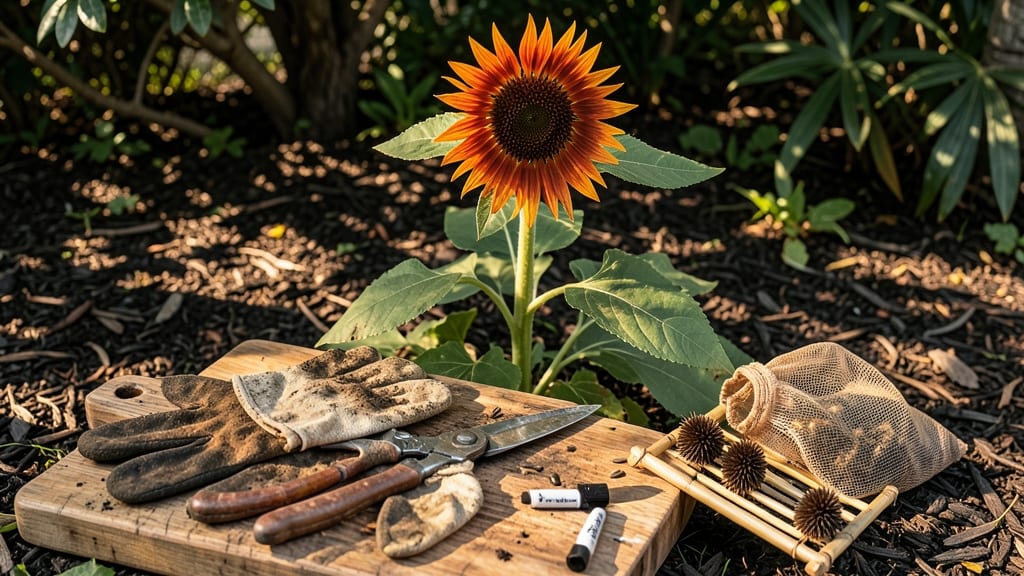
Harvesting Mexican sunflower seeds 🌻 when the heads turn brown is your chance to save seeds for next year’s garden or turn them into natural dyes—but timing and technique make all the difference.
Picture this: You’ve spent months nurturing your towering Mexican sunflowers, and now the moment has arrived. The flower heads have dried to a papery brown, and a gentle shake releases a shower of seeds.
But wait—harvest too early, and the seeds won’t germinate. Harvest too late, and they’ll scatter before you can collect them. The key lies in knowing exactly when to act.
This guide walks you through every step, from spotting the perfect maturity signs (like dry, rattling seed heads) to cutting them at the right moment and drying them properly. No more wasted seeds or moldy batches—just a foolproof method to preserve your harvest for years.
Ready to turn those dry, brown heads into a stash of viable seeds? Let’s dive in and master the art of seed collection before the wind beats you to it.


When and how to identify Mexican sunflower seed maturity for harvesting
Timing is everything when harvesting Mexican sunflower seeds. These vibrant plants (Tithonia rotundifolia) produce seeds best when fully mature, but waiting too long risks seed shatter. The key moment arrives when flower heads turn brown and petals have completely fallen away.
This usually happens 8-10 weeks after flowering, typically in late summer or early fall depending on your USDA zone (6a+). Miss this window, and you’ll either collect underdeveloped seeds or lose them to wind.
Start by examining the flower head color. While still blooming, petals are bright orange-yellow. As they mature, these fade to tan or light brown. The seed heads should feel dry and papery when gently squeezed.
If they’re still moist or green, wait a few more days—the seeds aren’t ready yet. Overripe seeds lose viability quickly, so precision matters more than patience here.
Here’s a visual guide to help you spot maturity at a glance:
Don’t rely solely on color—perform the firmness test to confirm readiness. Gently squeeze a seed head between your fingers. If it feels dry and brittle (like crisp autumn leaves), the seeds are mature.
If it’s still slightly pliable, wait another 3-5 days. Pro tip: Shake the head over a dark surface—if seeds rain down easily, they’re ready. If they cling together, they need more time.
Watch for stem signals too. As seeds mature, the stem beneath the flower head will begin drying out and turn brown. This is nature’s way of signaling that the plant is redirecting nutrients to seed production.
Pair this with brown seed heads, and you’ve got a foolproof combination. Ignore this cue, and you risk harvesting seeds that won’t germinate well.
Regional timing varies slightly. In warmer climates (zones 8-10), Mexican sunflowers may mature earlier, sometimes as early as July. In cooler zones (6a-7b), aim for September-October.
Always align your harvest with the first frost date—these plants can’t survive freezing, so act before temperatures dip below 32°F (0°C). A light frost will kill the plant but may also trigger premature seed release.
One common mistake? Harvesting when seed heads rattle loudly but haven’t fully browned. This “rattling” phase often means seeds are 80% mature but not yet optimal. Wait until the entire head is uniformly brown, and the rattling sounds hollow and crisp.
This ensures maximum seed viability. Think of it like harvesting pumpkins—you don’t pick them when they’re still green, even if they look close!
Morning is the best time to harvest. Dew-free conditions mean seed heads are dry, making them easier to handle. Avoid harvesting after rain, as moisture can accelerate seed shatter or promote mold. If you must harvest after rain, wait until the heads are completely dry to the touch.
Pro move: Use a pruning shears or sharp knife to cut 2-3 inches below the flower head, leaving the stem intact to prevent accidental seed loss.
Finally, pay attention to seed color. Mature Mexican sunflower seeds are dark brown to black, not the lighter tan you might see in earlier stages. If you crack open a seed head and find seeds that are still light-colored or shriveled, they’re not ready.
Save these for bird feed—they won’t store well for replanting. For the best germination rates, aim for seeds that are plump, dark, and firm.
Mastering this timing takes practice, but once you’ve harvested a few batches, you’ll recognize the perfect moment instinctively. The reward? A stash of seeds ready for dye-making, bird feeders, or next year’s garden.
Now that you’ve spotted maturity, the next step is harvesting without losing a single seed—stay tuned for our drying and storage guide!
Step-by-step guide to harvesting and drying Mexican sunflower seeds without shatter loss
Once your Mexican sunflower (Tithonia rotundifolia) heads turn a deep, papery brown, it’s time to act fast—these seeds won’t wait! The key to avoiding seed shatter is harvesting at the right maturity stage and drying them properly.
I’ve learned the hard way that leaving them too long on the plant means watching them scatter like confetti in a breeze. Let’s prevent that with a foolproof method.
Timing is everything: harvest when the flower petals have fallen completely, and the seed heads feel dry and brittle. If you wait too long, the heads will split open, sending seeds flying.
But if you harvest too early, the seeds won’t be viable. The goal is to catch them at that perfect golden moment when they’re dry but still intact.
How to Harvest Mexican Sunflower Seeds
- 1. Wait for the right signs: Flower heads should be fully brown and dry, with no green remaining. Give them a gentle shake—if seeds rattle inside, they’re ready!
- 2. Cut the seed heads: Use clean pruning shears or scissors to snip the heads from the stem, leaving a short stalk (about 2 inches). Avoid damaging the seeds inside.
- 3. Remove excess debris: Strip off any remaining petals or leaves, but leave the seed heads intact. This helps prevent mold during drying.
- 4. Choose your drying method: Either hang the heads upside down in a dry, well-ventilated area or lay them on paper towels in a single layer. Both methods work, but hanging is best for large batches.
- 5. Dry completely: This takes 1-2 weeks in a dry climate (less time if humid). The heads are ready when the seeds inside are hard and dry, with no moisture left.
- 6. Extract the seeds: Once dry, rub the heads between your hands or use a paper bag to gently shake out the seeds. Discard any empty seed casings.
For drying, I recommend the hanging method for larger batches—it’s efficient and keeps seeds contained. Simply tie the heads upside down with twine in a dry, shaded spot (like a garage or shed).
If you’re short on space, the paper towel method works well for smaller harvests. Just place the heads on a flat surface and flip them daily to ensure even drying.
Humidity is the enemy here! If your seeds start to mold, it’s a sign they’re not dry enough. To avoid this, keep them in a well-ventilated area with low humidity. A fan on low can help speed up the process without damaging the seeds.
Once fully dry, store them in a paper envelope or airtight container in a cool, dark place for up to 2 years.
Pro tip: Label your seeds with the harvest date and variety to keep track of their viability. Mexican sunflower seeds are tough, but proper storage ensures they stay fresh for your next planting season.
With this method, you’ll maximize your yield and avoid the heartbreak of watching seeds scatter to the wind.