
How To
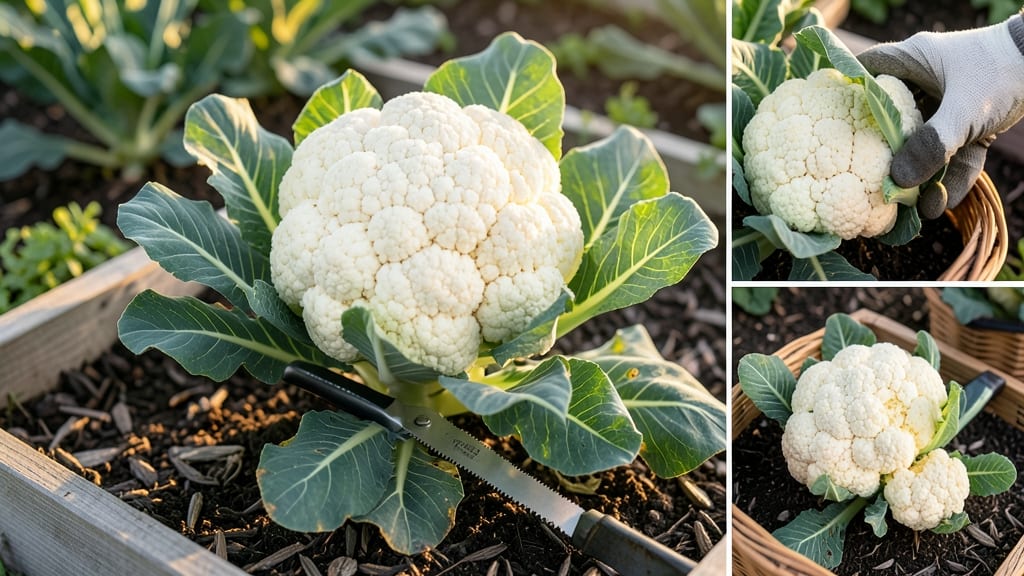
Knowing when to harvest cauliflower 🥬 means catching it at the peak of flavor and texture—before it turns bitter or loose.
Picture this: you’ve nurtured your cauliflower for weeks, and now the moment of truth arrives. One wrong move, and you’re left with tough, unappetizing curds or a plant that bolts too soon. The good news? There’s a simple way to tell when your cauliflower is ready—no guesswork required.
Look for firm, tightly packed heads that are about 6-8 inches wide, with vibrant color and leaves starting to yellow. These visual cues, along with a quick firmness test, will help you avoid the most common mistakes gardeners make.
In this guide, I’ll walk you through the exact signs to watch for, how to test for the perfect harvest, and what to do next to keep your plant productive. No more second-guessing—just great-tasting cauliflower every time.


5 Visual signs your cauliflower is ready for harvest (curds, color & size guide)
Harvesting cauliflower at the perfect moment ensures tender, flavorful florets instead of bitter, woody curds. The key lies in watching for five distinct visual cues that signal maturity.
Miss these signs, and you risk either harvesting too early—resulting in small, underdeveloped heads—or too late, leading to loose, overgrown florets that split apart. Let’s break down the most reliable indicators so you never guess again.
First, focus on the curd's tightness. A ready-to-harvest cauliflower head should feel firm to the touch, with buds that are still tightly closed. If you gently press the curd with your thumb, it should yield slightly but not feel mushy.
Loose buds mean it’s past its prime, while overly firm heads may still need time. This tactile check is your first line of defense against harvesting mistakes.
Next, observe the color consistency of the curd. Different varieties have distinct hues—white, purple, or green—but the color should be even and vibrant across the entire head. Pale or uneven coloring often signals underripe or stressed plants.
For example, a purple cauliflower should have deep, rich tones, while a white variety should appear creamy and uniform. Watch for any yellowing or browning, which can indicate overmaturity or pest damage.
| Sign | Description | Action |
|---|---|---|
| Tight Curds | Bud clusters are compact and closed | Harvest immediately |
| Consistent Color | Deep, even hue (white, purple, or green) | Check for variety-specific maturity |
| Size (6-8 inches) | Diameter matches variety’s ideal range | Measure with ruler if unsure |
| Yellowing Leaves | Outer leaves turn yellow and die back | Trim leaves to expose head |
| Firm Stem | Stalk feels sturdy when grasped | Avoid harvesting if stem is soft |
Size matters when it comes to cauliflower maturity. The ideal head diameter typically falls between 6 to 8 inches, though dwarf varieties may be smaller. To check, use a ruler or tape measure around the widest part of the curd.
If the head exceeds 8 inches, it’s likely overripe and may start to split or develop bitter flavors. For smaller varieties like 'Snowball Y Improved', aim for a 4-6 inch diameter.
Don’t overlook the leaves surrounding the head. As the curd matures, the outer leaves will yellow and die back, a natural process that signals the plant is redirecting energy to the head. If the leaves remain vibrant green and healthy, the curd likely needs more time.
However, if the leaves wilt or brown excessively, the plant may be stressed or diseased, and you should harvest promptly to salvage what you can.
Another critical but often overlooked clue is the stem’s firmness. Gently grasp the stalk below the curd—it should feel solid and sturdy, not hollow or mushy. A soft stem indicates the plant is overmature or struggling, which can lead to a poor harvest.
This check is especially important for heavy-headed varieties, like 'Chef’s Choice', which can topple if the stem weakens.
Timing your harvest based on these signs ensures you avoid common mistakes. For instance, harvesting too early results in small, loose florets that lack flavor, while waiting too long leads to bitter, woody curds that fall apart.
Even the weather plays a role: hot, dry conditions can accelerate maturity, so check your plants daily during heatwaves. Conversely, cool, cloudy weather may slow growth, giving you a few extra days to monitor.
Pro tip: Use a sharp knife or pruners to cut the stalk about 1 inch below the curd. This method minimizes damage to the plant and allows for a second harvest if the variety is known for regrowth (like 'Romanesco').
After harvesting, store your cauliflower in the refrigerator for up to a week or freeze it for longer storage. For a second chance at harvest, trim the stalk down to 6 inches and keep the plant well-watered—you might get a smaller side shoot in 2-3 weeks.
By mastering these five visual cues, you’ll never second-guess your cauliflower harvest again. Whether you’re growing white, purple, or orange varieties, these signs apply universally. Next time you’re in your garden, take a closer look—your next perfect cauliflower meal starts with knowing exactly when to pick! 🥬
How to test cauliflower curd firmness: the finger-press method for perfect texture
Harvesting cauliflower at the right moment ensures tender, flavorful curds instead of tough or bitter ones. The finger-press test is my go-to method for checking firmness—it’s quick, reliable, and requires no special tools.
This simple technique helps you avoid two common mistakes: harvesting too early (rubbery florets) or too late (loose, yellowing heads).
Before diving into the test, understand that weather plays a role. Cool temperatures slow maturity, while hot spells can cause heads to bolt or overripen. If your region is experiencing unseasonably warm days, your cauliflower may mature faster than expected.
Always cross-check the finger test with other visual cues like head size and leaf color.
Here’s how to perform the test: Gently press the outermost layer of curds with your thumb and forefinger. If the florets give slightly but hold their shape—like pressing a ripe avocado—your cauliflower is ready.
If they feel squishy or mushy, wait a day or two. Conversely, if they’re rock-hard and resistant, they’re likely overripe.
⚠️ Warning: Overripe Cauliflower Signs
Harvesting too late leads to bitter, loose curds that fall apart. Watch for these red flags:
- Yellowing florets at the edges
- Leaves wilting or dying back completely
- Head splitting open or buds loosening
Pro tip: If your cauliflower is 6-8 inches wide but still firm, harvest it immediately—don’t wait for "perfect" size!
Seasonal variations also affect firmness. In spring or fall, when temperatures are cooler, cauliflower may take longer to reach ideal firmness. Conversely, summer heat can speed up maturity, so monitor your plants daily during peak growing months.
If you’re growing orange or purple varieties, their color deepens as they mature—use the finger test to confirm readiness alongside visual cues.
For container-grown cauliflower, the finger-press test is especially useful because size alone isn’t a reliable indicator. Smaller pots can restrict root growth, leading to stunted heads. If your plant’s head feels firm but is under 6 inches in diameter, it might be mature enough to harvest.
Always prioritize texture over size when growing in limited space.
Once you’ve confirmed firmness, harvest by cutting the entire stalk about 1 inch below the head. This leaves room for a second harvest if your variety is known to regrow. Store harvested cauliflower in the fridge for up to 5 days or freeze for longer storage.
The finger-press test isn’t just for harvest day—use it to track progress from planting to maturity!