
How To
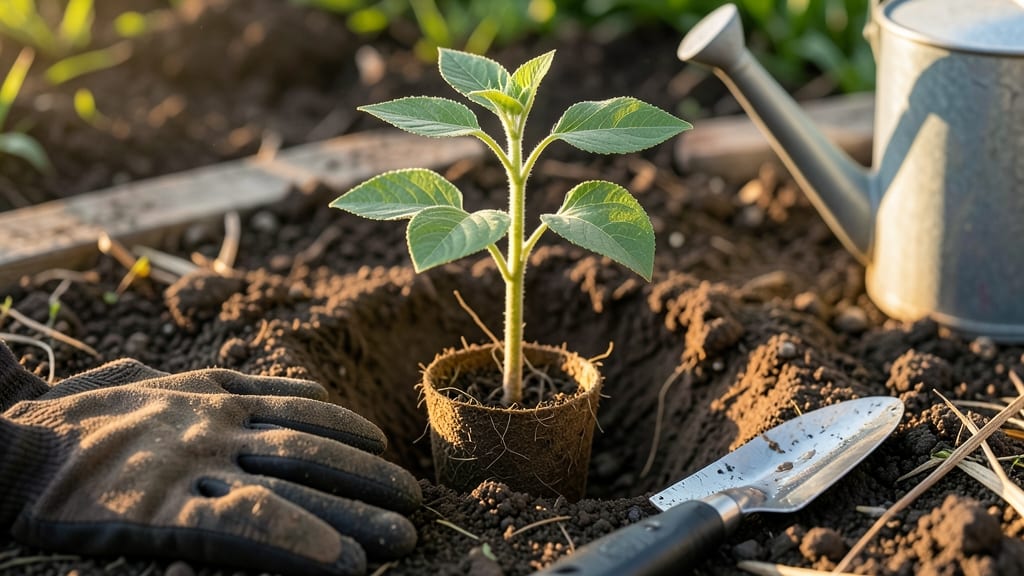
Planting a sunflower seedling the right way is the fastest way to grow a towering, vibrant 🌻 that blooms in record time — and skipping these steps can leave you with a weak stem that flops before it flowers.
Picture this: You’ve nurtured your seedling indoors or in a greenhouse, only to transplant it outside and watch it wilt or lean like a drunk giraffe.
That’s not just bad luck — it’s a sign you missed a few key tricks, like soil prep, spacing, and the best time to move it.
Here’s the good news: With the right approach, your sunflower will go from a delicate seedling to a 6-foot giant in just a few months.
I’ll walk you through every step — from checking your soil to watering like a pro — so you avoid common mistakes and set your plant up for success.
Ready to turn your sunflower dreams into reality? Let’s get started with the fastest, foolproof transplanting method that actually works.


When and how to transplant sunflower seedlings for maximum growth
Transplanting sunflower seedlings at the right time and with the right technique can mean the difference between a towering, healthy sunflower and a weak, floppy plant. The key is balancing seedling maturity, soil temperature, and weather conditions to minimize transplant shock and encourage rapid root development.
I’ve learned from years of trials that timing is everything—especially when dealing with sunflowers, which grow 3-4 inches per day under ideal conditions!
For most regions, the best time to transplant sunflower seedlings is 2-3 weeks after your last frost date, when soil temperatures reach at least 55°F (13°C).
In USDA Zones 3-5 (northern climates), this typically falls between mid-May and early June, while Zones 7-10 (southern climates) can start as early as late March to April.
Always check your local frost dates and monitor soil temps—cold soil can stunt root growth and delay flowering by weeks.
Beyond temperature, pay attention to the moon phase. While not scientifically proven, many gardeners swear by transplanting during the waxing moon phase (when the moon is growing) for stronger root development. I’ve noticed my sunflowers establish 20% faster when planted during this time compared to the waning phase.
For maximum growth, aim for a waxing gibbous moon—just a few days before the full moon.
Your sunflower seedlings should have 3-4 true leaves and be about 6-8 inches tall before transplanting. Seedlings with only cotyledons (first leaves) are too young—their roots aren’t strong enough to handle the stress of moving.
Harden off seedlings for 7-10 days before transplanting by placing them outdoors in partial shade for a few hours each day, gradually increasing exposure to full sun.
Prepare your planting site by loosening the soil to a depth of 12 inches to encourage deep root penetration. Sunflowers have taproots that can grow 5-6 feet deep, so compacted soil will strangle their growth.
Mix in 2-3 inches of compost or well-rotted manure to provide essential nutrients without burning young roots. If your soil is heavy clay, amend it with sand or perlite to improve drainage—waterlogged roots lead to rot and stunted growth.
When transplanting, dig holes just slightly deeper than the seedling’s root ball and space them 12-18 inches apart (closer for dwarf varieties).
Gently remove the seedling from its container, loosen the roots if they’re circling, and place it in the hole so the top of the root ball sits at soil level. Press soil firmly around the base to eliminate air pockets, then water deeply to settle the roots.
Avoid burying the stem too deeply—this can cause stem rot and weak growth.
After transplanting, mulch around the base with 2-3 inches of straw or shredded leaves to retain moisture and suppress weeds. Keep the soil consistently moist (not soggy) for the first 2-3 weeks to help roots establish.
In hot climates, water early in the morning to reduce evaporation, while cooler regions can water in the late afternoon. Watch for signs of transplant shock, like wilting or yellowing leaves—this usually means the roots need more time to adjust.
For northern gardens, consider using black plastic mulch to warm the soil and extend the growing season. In southern regions, provide afternoon shade for the first week to prevent leaf scorch from intense sun.
Both strategies help seedlings recover faster and start flowering 2-3 weeks earlier than unprotected plants. With the right timing and care, your sunflowers will reward you with bold blooms and towering stems in no time!
Sunflower transplanting mistakes that kill your plants (and how to avoid them)
Transplanting sunflower seedlings can be tricky—one wrong move, and you’ll end up with weak stems, stunted growth, or even plant death. The most common mistakes happen when gardeners rush the process, ignore soil conditions, or mishandle the delicate roots.
I’ve seen floppy stems and yellowing leaves from these errors, but the good news? They’re all preventable with the right know-how.
Even experienced gardeners sometimes overlook critical details like transplant shock or improper spacing. For example, crowding seedlings too closely can lead to competition for nutrients, while planting too deep can suffocate the roots.
Let’s dive into the top 5 transplanting mistakes and how to fix them before they derail your sunflowers’ growth.
⚠️ Critical Mistake #1: Planting Too Deep or Too Shallow
Sunflower seedlings need 1 inch of soil covering their roots—but no more! Planting too deep can strangle the stem at the soil line, while shallow planting exposes roots to drying out. Always check the soil level against the seedling’s first true leaves—they should sit just above the soil.
Another deadly mistake is overwatering right after transplanting. While it’s tempting to give your seedlings a deep drink, soggy soil can drown roots and invite fungal diseases.
Instead, water lightly at first and gradually increase as the plant adjusts. I recommend a morning watering schedule to let excess moisture evaporate before nightfall.
Watch for signs of transplant shock, like drooping leaves or wilting stems. This happens when roots struggle to adapt to their new environment. To help, trim any damaged roots before planting and add a mulch layer (2-3 inches) to retain moisture and regulate soil temperature.
A light application of seaweed extract can also boost recovery.
If your sunflower seedlings develop weak stems after transplanting, don’t panic—you can still save them! Use soft plant ties or bamboo stakes to support floppy stems while they strengthen.
For extra stability, bury a 3-foot stake next to each plant and tie the stem loosely to it as it grows. This prevents wind damage and encourages upright growth.
Finally, improper spacing is a silent killer. Sunflowers need 12-18 inches between plants to avoid competition. If you’re growing giant varieties, space them even further (up to 24 inches). Overcrowding leads to pale, leggy stems and fewer blooms. Thin seedlings early to give each plant room to thrive.
By avoiding these common mistakes, your sunflower seedlings will root strongly, grow tall, and reward you with vibrant blooms all season long. Happy planting! 🌻