
Pruning
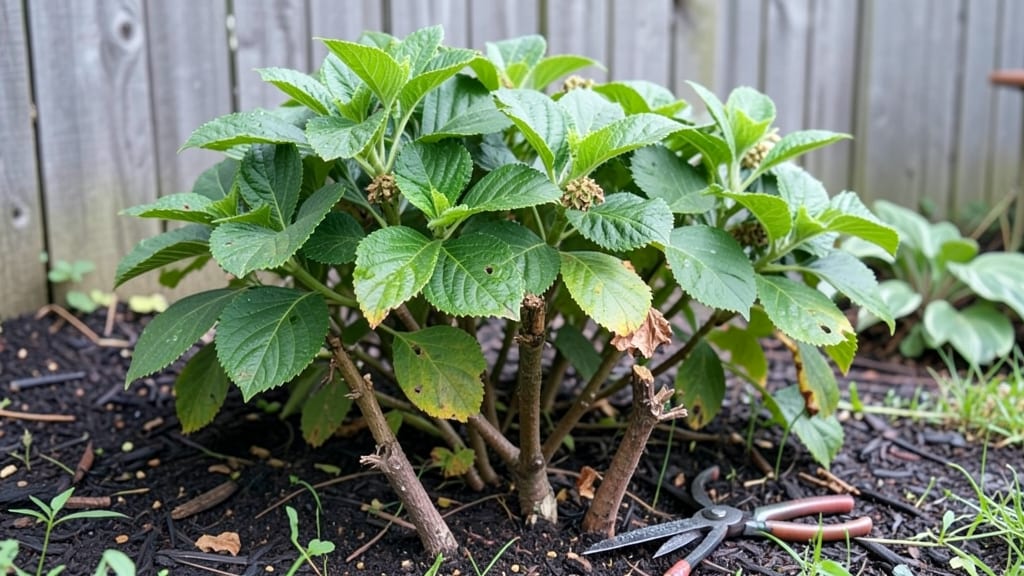
Trimming flowering bushes wrong can turn your yard into a tangled mess—unless you follow the right seasonal timing and techniques. ✂️ I’ve turned my overgrown lilacs and hydrangeas into showstopping shrubs by mastering just three key cuts: rejuvenation, shaping, and cleanup.
The difference between a bush that blooms all season and one that fights for every flower comes down to when and how you cut.
You’ll need sharp bypass pruners, clean shears, and gloves—no fancy tools, just the right approach. Most people wait until spring, but some bushes (like spring-blooming lilacs) need their pruning right after they finish flowering.
The goal is to encourage new growth while keeping the shape you want, whether that’s a rounded cloud or a structured silhouette. A little planning now saves hours of cleanup later.
After trimming, you’ll see fresh green shoots within weeks, and by next season, your bush will be denser, healthier, and covered in more blooms than ever.
The secret isn’t just cutting—it’s understanding which branches to keep, which to remove, and how to avoid the common mistakes that leave bushes looking sad and sparse. Think of it as a spa day for your plants.
Works for roses, hydrangeas, azaleas, and more—just adjust the timing based on when your bush blooms. Let’s get those shears sharp and those bushes thriving!
📚 In This Guide
- What you need
- Instructions
- Tips and common mistakes
- Wrapping up and next steps
What you need
- ● Hand pruners (bypass pruners): Sharp, clean pruners with bypass blades (for clean cuts) and a 4- to 6-inch blade length. (1 pair)
- ● Loppers: For thicker branches (up to 1.5 inches in diameter). Look for ratcheting or bypass-style loppers for precision. (1 pair)
- ● Gloves: Heavy-duty, gardening or pruning gloves (water-resistant, with reinforced palms). (1 pair)
- ○ Disinfectant (optional but recommended): Rubbing alcohol (70% or higher) or a garden disinfectant spray to sterilize tools between cuts and prevent disease spread.
- ● Sharpener: A file or pruner sharpener to keep blades in top condition. (1)
- ● Pruning saw (if needed): For thick, woody stems (over 1.5 inches). Choose a curved or bow saw for ease. (1)
- ● Safety glasses: Protect your eyes from debris. (1 pair)
- ● Long sleeves/pants: Wear lightweight, long-sleeved clothing to shield against scratches or thorns.
- ● Trash bag or bucket: For collecting clippings and debris. A 5-gallon bucket with a lid works great! (1)
- ● Hose or water source: To clean tools and rinse off sap after trimming.
- ○ Ladder (if needed): A stable, lightweight ladder for reaching tall bushes. (1, optional)
- ● Check the best pruning time for your specific bush (early spring or after blooming, depending on the type).
- ● Review your bush’s growth habits—some bloom on old wood (prune after flowering), while others bloom on new wood (prune in late winter/early spring).
- ● Have a clear plan for shaping—sketch a rough outline if needed!
Step-by-step instructions for pruning flowering shrubs
Here’s how I keep my flowering bushes thriving—with precise cuts that encourage more blooms.
✂️ Step 1: Identify the Right Time to Prune
Timing makes all the difference. For spring-blooming shrubs like lilacs or azaleas, prune right after flowering—never in late winter. Summer-bloomers like hydrangeas or abelia need pruning in late winter or early spring before new growth starts. Look for last year’s blooms fading as your cue.
If you prune too early, you’ll cut off next year’s flower buds. If you wait too long, the bush loses its shape. I always mark my calendar after the first blooms appear—that’s my signal to hold off on the shears for now.
✂️ Step 2: Gather Tools and Prepare the Bush
Use sharp, clean pruning shears (sterilize with rubbing alcohol between cuts) and a hand pruner for smaller branches. Avoid dull tools—they crush stems instead of making clean cuts. Remove any dead, diseased, or crossing branches first. These are the ugly, weak spots that rob energy from healthy growth.
Step back and assess the shape. You’ll notice where branches grow inward or rub against each other. These need to go—thinning opens up the center for airflow and sunlight. I like to sketch a rough outline of the final shape with a stick in the ground first.
✂️ Step 3: Make Clean Cuts at the Right Angle
Cut just above a bud or branch junction, angled slightly away from the bud. This prevents water from pooling and rotting the stem. For larger branches, use loppers or a pruning saw, making the cut 1/4 inch above a bud on the outside of the branch collar. Never leave stubs—they invite disease.
If you’re shaping, remove no more than 1/3 of the bush’s foliage in one season. Heavy pruning stresses plants. Watch for new growth within 4-6 weeks—that’s your sign the bush is recovering well. Over-pruned bushes often bloom poorly the next year.
✂️ Step 4: Shape and Encourage Future Blooms
Step back frequently to check your work. The goal is an open, airy shape with sunlight reaching the center. For rounded bushes, cut outward-facing branches shorter than inward ones. For formal shapes, taper cuts slightly to maintain symmetry. Avoid cutting into old wood—it rarely produces new growth.
Here’s the trick: Prune for next year’s blooms. On spring-bloomers, cut back to last year’s growth to encourage new flower buds. On summer-bloomers, trim lightly to shape—heavy cuts reduce next season’s flowers. Mulch around the base with 2-3 inches of organic mulch after pruning to retain moisture.
Tips & tricks for perfect flowering bush trimming
Here's what I've learned after years of pruning mistakes—and how to avoid them while keeping your bushes blooming beautifully.
Timing Secret: Spring-bloomers like lilacs and azaleas need that "right after flowering" window—don't wait until summer! I mark my calendar when the first blooms fade, because waiting too long means you'll be cutting off next year's flower buds. For summer-bloomers like hydrangeas, prune in late winter before new growth starts, or you'll sacrifice next season's blooms. The key is watching for last year's blooms to fade completely.
Tool Technique: Sharp tools are non-negotiable—I've ruined too many cuts with dull shears that crush stems instead of making clean snips. Sterilize your tools with rubbing alcohol between cuts to prevent spreading disease. For larger branches, loppers or a pruning saw work best, but always make your cut 1/4 inch above a bud on the outside of the branch collar. This angled cut prevents water pooling that leads to rot.
Pruning Strategy: Never remove more than 1/3 of the bush's foliage in one season—that's the golden rule for healthy recovery. I learned this the hard way when I over-pruned my hydrangea and it barely bloomed the next year. Watch for new growth within 4-6 weeks after pruning—that's your sign the bush is recovering well. If you don't see new growth, you may have pruned too aggressively.
Shape and Light: Step back frequently to check your work—this is where most pruning mistakes happen. The goal is an open, airy shape that lets sunlight reach the center. For rounded bushes, cut outward-facing branches shorter than inward ones. And remember: you're pruning for next year's blooms, not just for today's appearance. Spring-bloomers need cutting back to last year's growth, while summer-bloomers respond better to light shaping.
Pro Tips for Trim A Flowering Bush
- Here's what I've learned after years of pruning mistakes—and how to avoid them while keeping your bushes blooming beautifully.
- Timing Secret: Spring-bloomers like lilacs and azaleas need that "right after flowering" window—don't wait until summer!
- Tool Technique: Sharp tools are non-negotiable—I've ruined too many cuts with dull shears that crush stems instead of making clean snips.
Frequently asked questions
Got questions about trimming your flowering bushes? You’re not alone—let’s clear up the most common concerns so you can keep those blooms looking their best! Here’s what home gardeners often wonder:
When is the best time to trim a flowering bush?
The timing depends on whether your bush blooms in early spring or late summer/fall. Early bloomers (like lilacs or forsythia) should be pruned right after they finish flowering—this encourages new growth and next year’s blooms. For late bloomers (like hydrangeas or roses), wait until late winter or early spring before new buds form. Pro tip: Always check your plant’s specific needs!
Can I trim a flowering bush in the summer?
Summer trimming is possible, but it’s riskier. If you must prune during the growing season, focus on removing dead or diseased branches and avoid heavy cuts that could stress the plant. For most flowering bushes, summer pruning may reduce next year’s blooms. Best practice: Stick to seasonal pruning unless you’re dealing with an emergency like pests or disease.
What if I accidentally cut off blooms while trimming?
Don’t panic! If you’ve snipped a few blooms, the plant will likely recover. For early bloomers, the damage is minimal since they rely on new growth for next year’s flowers. For late bloomers, you might lose some flowers this season, but the plant will bounce back. Next time: Use sharp, clean shears and trim just above a leaf node or bud to avoid mistakes.
How do I know if my bush needs pruning?
Watch for these red flags that your bush needs a trim:
- Overgrown branches crowding out light or air.
- Dead or diseased wood (brown, mushy, or moldy stems).
- Thinning foliage or fewer blooms than usual.
- Crossing branches rubbing against each other.
Are there alternatives to manual pruning?
If manual trimming feels overwhelming, consider these alternatives:
- Hire a professional for large bushes or complex pruning.
- Use pruning shears with a guide (like a pruning app or instructional video).
- Focus on maintenance—regular light trims are easier than heavy pruning.
- Choose low-maintenance bushes like Buddleia or Weigela, which tolerate lighter pruning.
Wrapping up and next steps
Trimming your flowering bushes doesn’t have to be intimidating—with the right tools, timing, and technique, you’ll keep them thriving and blooming beautifully all year! 🌸 Remember to prune in the right season, remove dead or diseased branches, and shape with care to encourage healthy growth.
Whether you’re a beginner or a seasoned gardener, a little patience and practice will make all the difference.
Now that you’re armed with the know-how, grab your pruners and get started! Your garden will thank you with vibrant blooms and lush foliage. Happy pruning! 🌿