
Mower
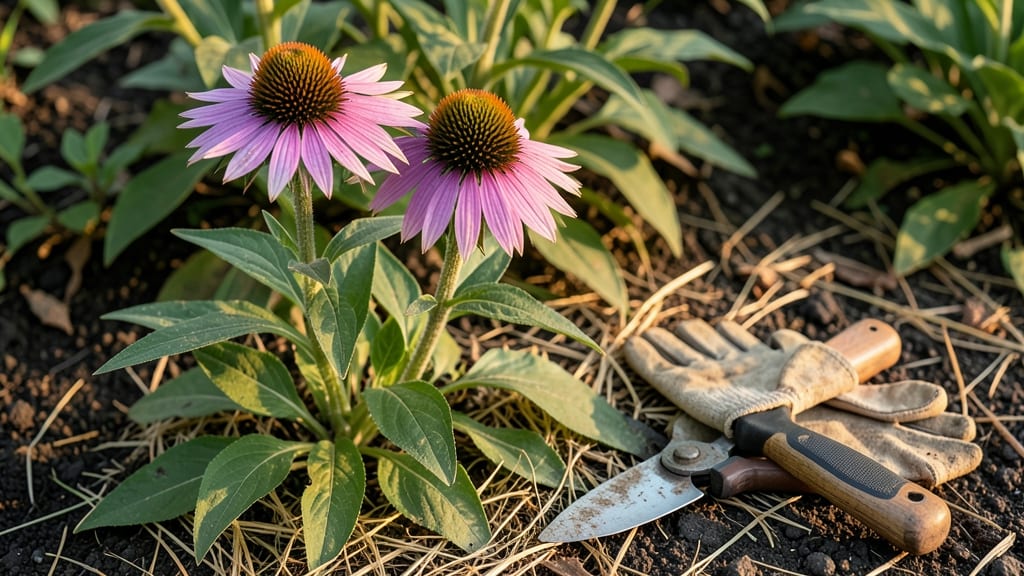
To winterize coneflowers properly, you’ll need to cut back dead foliage, mulch strategically, and shield roots from frost—three steps that make all the difference between a weak spring comeback and a vibrant return of those iconic purple blooms.
Picture this: you’ve spent months admiring your 🌼 coneflowers thriving in full sun, only to watch them struggle the following year because winter care was an afterthought.
That’s a mistake—especially in Zone 6a, where temperatures can drop fast. The good news? With the right techniques, your coneflowers will bounce back stronger than ever.
Cutting back stems in late fall isn’t just about tidiness—it’s about preventing disease and directing energy to the roots. Then, mulching with 2-3 inches of straw or shredded leaves insulates the soil, keeping roots warm through freezing nights.
For extra protection in harsh winters, a light row cover or burlap wrap can save the day.
In this guide, I’ll walk you through the exact timing for cutting back, the best mulching methods for your climate, and how to spot signs your coneflowers need a little extra winter TLC. By spring, you’ll be rewarded with healthier plants and even more dramatic blooms.
When and how to properly cut back coneflowers before winter
Coneflowers (Echinacea) thrive with minimal winter care, but proper pruning is key to preventing disease and encouraging vibrant spring regrowth. The best time to cut back coneflowers is late fall or early winter, after the first hard frost but before heavy snowfall.
This timing balances disease prevention with protecting tender roots from late-season warmth.
Many gardeners mistakenly leave seed heads over winter, assuming they provide winter interest or food for birds. While seed heads offer beauty and wildlife benefits, they can harbor fungal spores and pests. Remove them to reduce risks while still allowing birds to forage from nearby plants.
Use sharp, clean bypass pruners to avoid tearing stems. Cut back dead foliage and stems to 2–3 inches above ground level. This height protects the crown from frost while allowing new growth to emerge quickly in spring.
🌼 Visual cue: Look for brown, crispy leaves—these are ready for removal. Healthy green stems near the base indicate where to stop cutting.
Step-by-Step Guide to Winterizing Coneflowers
- 1
- Wait for frost: Prune after first hard frost (temperatures below 25°F) but before heavy snow. This ensures plants are dormant but stems are still sturdy.
- 2
- Remove deadheads: Snip off spent blooms and seed heads with clean pruners. Discard debris 10+ feet away to prevent reinfesting your garden.
- 3
- Cut back stems: Trim all foliage and stems to 2–3 inches above ground. Avoid cutting into the crown (base) to protect next year’s growth.
- 4
- Sanitize tools: Wipe pruners with rubbing alcohol between cuts to prevent spreading powdery mildew or fungal diseases.
- 5
- Leave some seed heads: Preserve 2–3 mature seed heads per plant for birds and winter interest, but remove them if they’re moldy or infested.
- 6
- Mulch lightly: Apply 2–3 inches of mulch (straw or shredded leaves) around the base to insulate roots. Avoid piling mulch against stems to prevent rot.
If you’re in a warmer climate (USDA zones 8–9), delay pruning until early spring (February–March). In these regions, coneflowers may stay green longer, and cutting too early can stimulate new growth that frost will damage.
🌿 Pro tip: Mark coneflower locations with stakes or flags if snow covers your garden. This helps you avoid accidentally cutting new shoots in early spring.
After pruning, monitor your coneflowers for heaving soil (when roots lift out of the ground due to freeze-thaw cycles). If you notice this, gently press soil back around the base and add a thin layer of mulch to stabilize the area.
With proper timing and technique, your coneflowers will bounce back with healthier stems and more abundant blooms next season. The key is balancing cleanliness (removing debris) with protection (preserving crowns and roots).
Best mulching methods to insulate coneflower roots over winter
Mulching is one of the most effective ways to protect your coneflower roots from freezing temperatures and soil heaving. In USDA zones 3–9, winter conditions vary dramatically—from harsh northern winters to milder southern freezes.
The right mulch can mean the difference between healthy regrowth in spring and struggling plants. Let’s explore the best organic and inorganic options to keep your coneflowers thriving.
Organic mulches like straw, shredded leaves, or pine needles break down over time, enriching the soil with nutrients. Inorganic options such as gravel or landscape fabric provide long-term insulation without decomposing. Each has unique benefits depending on your climate and soil type.
For example, straw is ideal for cold northern climates (zones 3–5), while leaves work well in milder southern regions (zones 7–9).
Layering mulch properly is key. Start with a 2–3 inch base layer of coarse material (like twigs) to improve airflow, then add 3–4 inches of organic mulch.
In extreme cold zones (3–4), increase thickness to 6 inches for added frost protection. Always keep mulch 2–3 inches away from plant stems to prevent rot.
| Mulch Type | Best For | Thickness | Pros | Cons |
|---|---|---|---|---|
| Straw | Cold climates (zones 3–5) | 3–6 inches | Breaks down slowly, retains moisture | May harbor weeds |
| Shredded Leaves | Mild climates (zones 6–9) | 2–4 inches | Improves soil over time, free | Can mat down if too thick |
| Pine Needles | Acidic soil (zones 4–8) | 2–3 inches | Acidifies soil, repels pests | Limited availability |
| Gravel | Dry climates (zones 7–9) | 1–2 inches | Long-lasting, prevents erosion | No soil improvement |
Seasonal adjustments are crucial. In late fall (November), apply your mulch after the first frost to trap soil warmth. For USDA zones 3–4, add an extra layer of mulch in December if temperatures drop below 10°F.
In milder zones (7–9), a single layer suffices. Always remove half the mulch in early spring to prevent overheating roots as temperatures rise.
For container-grown coneflowers, use a lightweight mulch like shredded bark or coconut coir. These materials won’t compact like soil, ensuring roots stay insulated without suffocating. Water containers before mulching to lock in moisture for the dormant season.
Regularly check mulch throughout winter. If it compresses or shifts, fluff it up to maintain insulation. In early spring, pull back mulch slightly to monitor soil temperature—coneflowers typically emerge when soil reaches 50°F. With the right mulching strategy, your coneflowers will bounce back vigorously next season.