
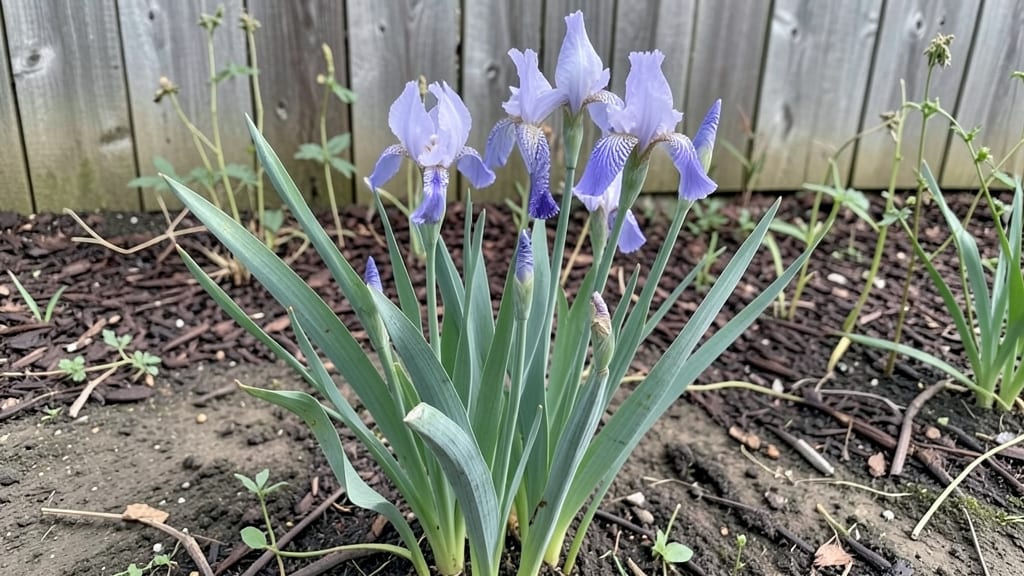
Iris Dutch Flower Varieties: Best Types for Vibrant Spring Borders

Flowers

Iris Dutch Flower Varieties: Best Types for Vibrant Spring Borders

Dutch iris flowers bring vibrant pops of color to spring gardens with their striking blooms and easy-care nature.

Spring borders burst to life with Dutch iris varieties—elegant, hardy, and packed with bold colors that demand attention. But which types thrive best in your climate, and how do you choose the perfect mix for a show-stopping display?

These medium-height perennials (🌸 1-3 feet tall) love full sun and well-draining soil, making them perfect for USDA Zone 6a and beyond. The key to their success? Planting in late summer or early spring, spacing them properly, and avoiding overwatering.

In this guide, I’ll walk you through selecting the best varieties, planting for long-lasting blooms, and troubleshooting common issues—so you can enjoy a border that turns heads every spring.

Top 10 Dutch iris varieties for stunning spring garden borders

Dutch iris varieties bring bold colors and elegant blooms to spring gardens, thriving in USDA zones 4-9 with minimal fuss. These hardy perennials offer 3-4 weeks of vibrant flowers, making them perfect for borders, containers, and cut flower arrangements.

Whether you crave deep purples, pure whites, or sunny yellows, there's a Dutch iris cultivar to elevate your landscape.

I selected these top 10 varieties based on color intensity, bloom duration, and climate adaptability. Each brings unique charm while requiring well-draining soil and full sun exposure for peak performance. Let's dive into the show-stopping options that will make your spring borders the envy of the neighborhood.

Variety Color Height (in) Bloom Time Unique Feature
Blue Flag Deep blue 18-24 Late April-early May Classic Dutch iris
Queen of Night Velvet purple 20-26 Early May Dramatic evening look
Purple Haze Soft lavender 16-20 Mid-April Fragrant blooms
White Swan Pure white 22-28 Late April Elegant contrast
Sunburst Golden yellow 18-22 Early May Brightest variety
Royal Purple Royal purple 20-26 Mid-April Long-lasting blooms
Blue Magic Electric blue 16-20 Late April Compact growth
Lavender Lady Lavender pink 18-22 Early May Soft pastel
White Perfection Ivory white

How to plant and care for Dutch iris in different climates

Dutch iris (Iris xiphium) thrives in USDA zones 4-9, but their care shifts dramatically depending on your climate. Whether you're in cool coastal zones or hot inland regions, these tips ensure your rhizomes establish strong roots and produce vibrant spring blooms year after year.

The key? Understanding how to adapt soil prep, watering schedules, and seasonal care for your specific conditions.

For cold climates (zones 4-6), focus on mulching and spring feeding to jumpstart growth after frost. In warm zones (7-9), prioritize shade protection during peak summer heat and consistent moisture to prevent rhizome rot.

Let’s break down the essential steps to plant and maintain Dutch iris across all climates.

🌱 Climate-Specific Dutch Iris Planting & Care Guide

  • 🌡️ Zones 4-6 (Cold Climates): Plant rhizomes in late summer (August-September) for root establishment before frost. Use 3-4 inches of mulch in winter to insulate rhizomes. Fertilize in early spring with 5-10-10 to boost bloom production.
  • ☀️ Zones 7-9 (Warm Climates): Plant in early spring (March-April) to avoid summer heat stress. Provide afternoon shade in peak summer and water deeply every 5-7 days to prevent drought stress.
  • 💧 Soil Prep for All Zones: Amend soil with sand or grit to improve drainage—Dutch iris hate soggy roots. Aim for a pH of 6.0-7.0 and mix in compost for nutrients.
  • ☀️ Sunlight Needs: 6+ hours of full sun daily is non-negotiable. In hot zones, use light shade cloth to protect blooms from scorching.
  • ✂️ Seasonal Maintenance: Deadhead spent blooms to redirect energy to rhizome growth. Divide crowded clumps every 3-4 years in late summer to maintain vigor.

Start by selecting a well-draining location with full sun exposure. Dutch iris rhizomes should be planted with the top visible and roots fanned downward, about 3-4 inches deep. Space them 12-24 inches apart to allow airflow and prevent fungal diseases.

In cooler zones, this timing lets rhizomes establish roots before winter, while warmer zones benefit from earlier planting to avoid summer stress.

Watering is where climate differences matter most. In dry zones (7-9), water deeply every 5-7 days to encourage deep root growth. In humid zones (4-6), reduce frequency to once a week and avoid overhead watering to prevent rhizome rot.

Always water in the morning to let foliage dry before evening.

Fertilize lightly in spring with a balanced 5-10-10 formula to support bloom production. Skip fall fertilization—Dutch iris need to enter dormancy properly. In hot climates, apply a slow-release fertilizer in early spring to avoid burning rhizomes during summer heat.

Mulch with gravel or straw to retain moisture and regulate soil temperature.

Watch for common pests like iris borers or aphids, especially in warm, humid zones. Treat infestations early with neem oil or insecticidal soap. In cooler zones, protect new shoots from late frosts with row covers until temperatures stabilize.

With these climate-specific adjustments, your Dutch iris will reward you with years of effortless, show-stopping blooms.

★★★★★5.0(14 reviews)
Categories Flowers