
Blooming
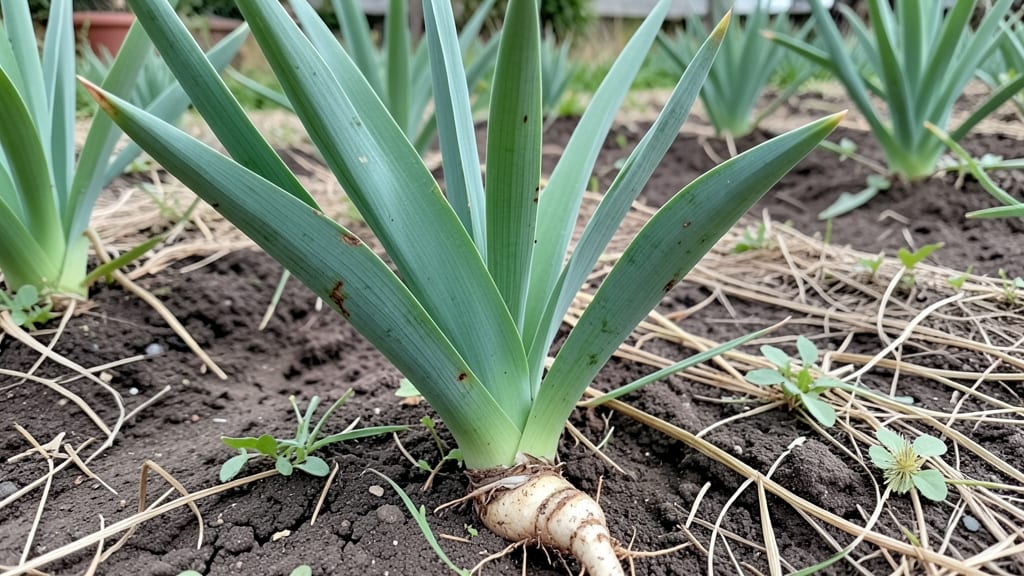
If your iris won’t flower, it’s likely because their roots are tired—not because you’re failing as a gardener. 🌱 I’ve revived stubborn clumps that looked dead just by giving their roots a fresh start, and you can too.
The problem often boils down to old growth, poor soil, or neglecting the one thing irises crave: a good stretch of sunlight and room to breathe.
Most gardeners overlook the root system, but that’s where the magic—or lack of it—happens. Irises that won’t bloom often suffer from years of the same soil, crowded rhizomes, or too much nitrogen (which fuels leaves, not flowers).
The fix? A simple root refresh that takes less than an hour and works for clumps big or small. You’ll know it’s working when you see fresh green fans pushing through the soil by early spring.
After refreshing the roots, your irises should burst into bloom within 4-6 weeks, with flowers that last 2-3 weeks—longer than store-bought bouquets. The key is timing: do this in late summer or early fall, when the plant’s energy shifts from leaves to next year’s blooms.
No more bare stems, just thick, vibrant clumps ready to shine.
This method works for bearded, Siberian, and even reblooming irises, whether you’re dealing with a single stubborn plant or a whole border. The best part? You’ll skip the guesswork and get results that last for years. Let’s get those rhizomes back in action.
Why it happens
If your irises are putting on a stellar show with lush foliage but stubbornly refuse to bloom, don’t blame your gardening skills just yet. Irises are finicky about their needs, and even the hardiest varieties can throw a tantrum if their conditions aren’t just right.
Let’s dig into the real reasons your irises are playing hard to please—and how to fix them.
🌱 Insufficient Light Exposure
Irises are sun worshippers, and they demand at least 6–8 hours of direct sunlight daily to trigger flowering. Without enough light, they’ll focus all their energy on growing leaves instead of blooms. Here’s why:
- Photosynthesis slowdown: Weak light means less glucose production, so the plant prioritizes leaf growth over flower buds.
- Dormancy confusion: Irises need a balance of light and rest. Too little light can disrupt their natural dormancy cycle, delaying—or even skipping—flowering.
- Location matters: Shady spots (like under trees) or north-facing beds rob irises of the energy they need to form blooms.
Pro tip: 🌡️ If your irises are in partial shade, consider transplanting them to a sunnier location. Even a few extra hours of morning sun can make a world of difference!
💧 Overwatering or Poor Drainage
Irises are not fans of soggy feet. Too much moisture—especially in winter—can suffocate roots, leading to rot and stunted growth. Here’s the science:
- Root asphyxiation: Waterlogged soil cuts off oxygen, forcing roots to work overtime just to survive. This leaves no energy for flower production.
- Dormancy disruption: Irises need a dry-ish period in late summer/fall to signal the plant it’s time to rest and prepare for next year’s blooms. Overwatering keeps them in "growth mode" too long.
- Fungal threats: Excess moisture invites pathogens like Rhizoctonia or Botrytis, which weaken the plant and reduce flowering.
Pro tip: ✨ Test your soil’s drainage by digging a hole, filling it with water, and timing how long it takes to drain. If it’s slower than 4 hours, amend the soil with gritty sand or gravel to improve airflow.
🌿 Nutrient Imbalances or Over-Fertilizing
Too much of a good thing can backfire. Irises need nutrients, but not the kind that encourage leafy growth at the expense of flowers. Here’s what’s likely going wrong:
- Nitrogen overload: High-nitrogen fertilizers (like lawn fertilizers) promote foliage over blooms. Irises need a balanced or low-nitrogen feed (e.g., 5-10-10 or 10-10-10 ratio).
- Phosphorus deficiency: This macronutrient is critical for root and flower development. If your soil is phosphorus-poor, your irises may produce leaves but skip the showstoppers.
- Micronutrient gaps: Lack of boron, zinc, or magnesium can stunt flower buds. Irises are particularly sensitive to boron—too little, and blooms fail to form.
Pro tip: 📊 Conduct a soil test (available through local extension offices) to check nutrient levels. If phosphorus is low, apply bone meal or a bloom-boosting fertilizer in early spring.
🌡️ Temperature or Timing Mishaps
Irises are seasonal performers, and they need the right cues to bloom. Get the timing or temperature wrong, and they’ll hit pause on their floral fireworks.
- Late planting: Irises planted in fall need 6–8 weeks of cool weather to establish roots before winter. Planting too late (or too early) can delay—or prevent—flowering.
- Unseasonable warmth: Early springs with unusually high temps can trick irises into blooming too soon, exhausting their energy before summer.
- Cold snaps: Some iris varieties (like Siberian or Japanese irises) need vernalization—a period of cold—to initiate flowering. Skip the chill, and you’ll skip the blooms.
Pro tip: 🎯 If your climate is mild, try chilling potted irises in a garage or fridge for 6–8 weeks before transplanting in fall. For warm zones, choose heat-tolerant varieties like Louisiana or Aril irises.
🪴 Crowded or Aging Rhizomes
Irises are dividers at heart—they multiply every few years, and when their rhizomes get too crowded, they stop flowering to focus on survival. Here’s why:
- Resource competition: Overcrowded rhizomes vie for water and nutrients, leaving little energy for blooms.
- Rhizome aging: Older rhizomes (over 4–5 years) become woody and less efficient at producing flowers. They prioritize reproduction via offsets instead.
- Disease risk: Tight clusters trap moisture, increasing the chance of fungal infections that weaken the plant.
Pro tip: 🔪 Dig up and divide your irises every 3–4 years in late summer. Discard the oldest, woody rhizomes and replant the firm, plump ones with healthy fans of leaves.
Revive Your Irises Naturally Now
Now that you know why your irises refuse to bloom, let’s tackle the fixes—one cause at a time. Below, you’ll find clear, step-by-step solutions tailored to each common issue, plus prevention tips to keep your irises thriving for years. No guesswork, just actionable advice!
🌱 Fix 1: Too Much Shade? Move to Sunlight
If your irises are planted in partial or full shade, they’ll focus on leaf growth instead of blooming. Here’s how to correct it:
- 🔥 Relocate the Clump: Dig up the rhizomes (carefully!) and replant them in a spot with at least 6 hours of direct sunlight daily. South-facing beds or raised beds work best.
- 🌞 Gradual Transition: If moving them isn’t an option, slowly acclimate them by trimming nearby shade sources (like trees or fences) over a few weeks.
- 💡 Pro Tip: Irises love morning sun + afternoon shade in hot climates—avoid scorching midday rays.
Prevention: When planting new irises, choose the sunniest spot in your yard—they’ll thank you with blooms!
💧 Fix 2: Overwatering or Poor Drainage? Fix the Soil
Soggy roots or compacted soil stress irises, halting flower production. Try this:
- 👨🍳 Test the Drainage: Dig a small hole near the plant, fill it with water, and time how long it takes to drain. If it’s still wet after 30+ minutes, drainage is poor.
- 🔪 Amend the Soil: Mix in sand, perlite, or gritty compost to loosen heavy clay. Irises hate "wet feet"—never plant in low-lying areas.
- 🌡️ Adjust Watering: Water deeply but infrequently—once a week is often enough (unless it’s scorching hot). Let the top 2 inches of soil dry out between waterings.
Prevention: Plant irises on a slight slope or in raised beds to encourage runoff.
✂️ Fix 3: Overcrowded or Old Rhizomes? Divide & Refresh
Irises self-divide aggressively, and when clumps get too dense, they stop blooming. Here’s how to rejuvenate them:
- 🔪 Dig Up the Clump: Wait until late summer or early fall (after blooming). Gently lift the rhizomes with a fork or trowel.
- 🌿 Separate the Sections: Split the clump into 3–5 inch sections, each with 1–2 fans (leaf clusters) and at least one fat rhizome.
- 🌱 Replant Properly: Bury the top third of the rhizome (not the whole thing!) and space them 12–24 inches apart.
Prevention: Divide irises every 3–4 years to prevent overcrowding.
🍄 Fix 4: Pests or Disease? Treat & Protect
Aphids, iris borers, or fungal issues can weaken plants, leading to no flowers. Act fast:
- 🐜 Spot Aphids/Spider Mites: Blast them off with a strong spray of water, then apply neem oil or insecticidal soap.
- 🐛 Iris Borers? Look for sawdust-like frass near the base. Handpick larvae or treat with Bt (Bacillus thuringiensis).
- 🍄 Fungal Issues (Leaf Spot)?: Remove infected leaves, improve airflow, and spray with copper fungicide.
Prevention:
- Mulch lightly (if at all)—irises hate thick mulch.
- Rotate planting spots every few years to prevent soil-borne diseases.
🌿 Fix 5: Wrong Fertilizer? Feed Correctly
Too much nitrogen = leafy monsters, no blooms. Irises need balanced, low-nitrogen food:
- 📊 Use the Right Mix: Switch to a low-nitrogen, high-phosphorus fertilizer (like 5-10-10 or 3-4-6). Apply in early spring (before growth starts) and again after blooming.
- 🥗 Skip the Weed Killer: Many herbicides contain nitrogen—read labels carefully!
- 💡 Pro Tip: Bone meal (high in phosphorus) is a great organic option for blooms.
Prevention: Avoid over-fertilizing—irises are low-maintenance and prefer lean soil.
⏰ Fix 6: Wrong Planting Time? Follow the Bloom Cycle
Irises need cold dormancy to trigger blooms. If planted at the wrong time, they may skip flowering:
- 🌸 Best Planting Time: Early fall (6–8 weeks before your first frost) or late winter/early spring (before new growth starts).
- ❄️ Cold Requirement: Most irises need some winter chill (though some varieties, like Louisiana irises, are heat-tolerant).
- 🔥 Force Blooms (If Needed): If your climate is too warm, simulate winter by moving pots indoors for 4–6 weeks at 40–50°F before bringing them back outside.
Prevention: Plant in fall for the best results—it gives roots time to establish before winter.
🎯 Bonus: Quick Troubleshooting Chart
Not sure which fix applies? Use this cheat sheet:
| Symptom | Likely Cause | Fast Fix |
|---|---|---|
| No blooms, lots of leaves | Too much nitrogen | Switch to low-N fertilizer |
| Yellowing leaves | Overwatering/drainage | Improve soil + reduce watering |
| Chewed leaves/stems | Iris borers | Handpick larvae or use Bt |
| Small, sparse blooms | Overcrowding | Divide rhizomes now |
| No blooms at all | Too much shade | Move to sunnier spot |
Final Thought: Most iris blooming issues are easily fixable—it’s just about sun, soil, and timing. Try one solution at a time, and keep a garden journal to track progress. Before you know it, your irises will be bursting with color! 🌈✨
Frequently asked questions
Why do my irises keep growing leaves but refuse to bloom?
Lush foliage with no flowers usually means your irises are getting too much nitrogen or not enough sunlight. Irises prioritize leaf growth when they’re overfed with high-nitrogen fertilizers or planted in shady spots. Switch to a low-nitrogen, high-phosphorus fertilizer (like 5-10-10) and ensure they get 6–8 hours of direct sunlight daily—this balance will coax those buds to form.
Is it normal for my irises to not bloom in their first year?
Newly planted irises often focus on establishing roots rather than blooming. Give them 1–2 years to settle in before expecting flowers. Plant them in early fall with the top third of the rhizome exposed for best results—this gives them time to root before winter.
How often should I divide my irises to encourage blooming?
Divide your irises every 3–4 years to prevent overcrowding, which drains their energy and stops blooms. Late summer or early fall is the best time—dig up clumps, separate into healthy sections with 1–2 fans of leaves, and replant with the top third exposed. This refreshes their growth and ensures vibrant blooms next season.
Can I force my irises to bloom earlier than usual?
You can trick them with a little seasonal manipulation! If your climate is too mild, move potted irises indoors for 4–6 weeks at 40–50°F in late winter, then bring them back outside. This cold period mimics natural dormancy and often triggers earlier blooms. Just avoid fertilizing until after they’ve flowered.
What should I do if my irises keep getting fungal diseases?
Fungal issues like leaf spot often stem from poor airflow or overwatering. Improve drainage by planting on a slight slope or adding sand to heavy soil, and avoid wetting the leaves when watering. Prune infected foliage immediately and space plants 12–24 inches apart to enhance circulation. A light spray of copper fungicide can also help prevent future outbreaks.