
Blooming
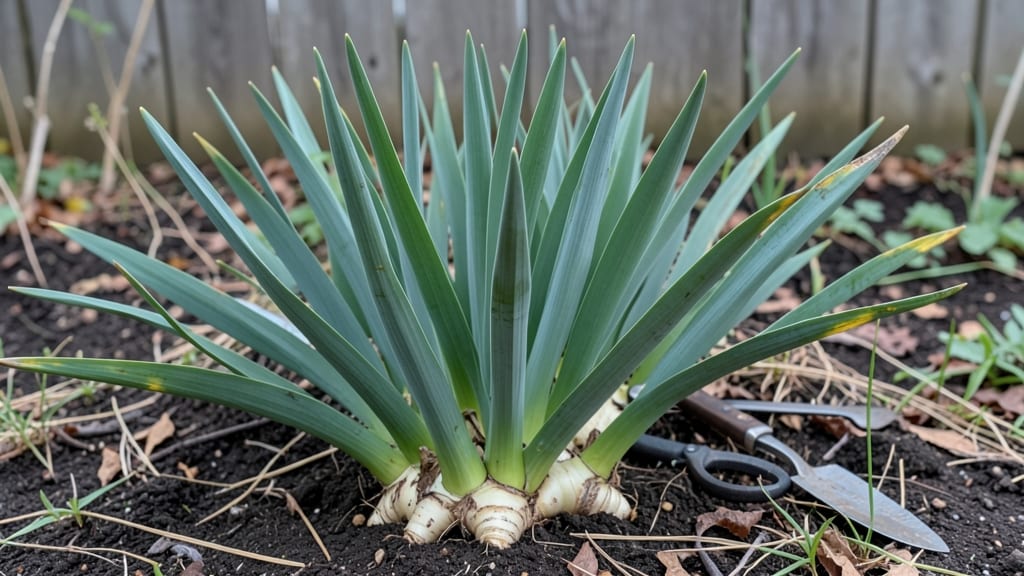
When your irises refuse to bloom year after year, it’s not a failure—it’s a fixable puzzle. 🌱 I’ve spent years watching my own iris clumps go from lush foliage to zero flowers, and I finally cracked the code.
The problem almost always boils down to one of five overlooked issues: sunlight, soil, crowding, pruning mistakes, or age. Each fix takes less than an hour but can transform a bare stem into a sea of purple, blue, or yellow by next spring.
The most common culprit? Overcrowding. When iris rhizomes get too packed, they focus all their energy on feeding the existing clump instead of sending up new flower stalks. A simple division in early fall can double your blooms next season—plus, you get free plants to share with neighbors.
Meanwhile, poor soil drains nutrients faster than irises can use them, so a quick amendment with compost or bone meal works wonders.
You’ll see the first signs of progress within weeks: taller, sturdier leaves mean the plant is finally investing in growth instead of survival mode. By late summer, you’ll spot those familiar fan-shaped buds pushing through the soil—proof the fixes are working.
The best part? These solutions work for bearded, Siberian, and even reblooming irises, so you can apply them all to your garden.
Here’s the game-changer: the right timing matters more than you’d think. Divide in fall, fertilize in early spring, and never cut back foliage until it yellows naturally. Small adjustments like these turn a frustrating no-show into a showstopper. Let’s get those blooms back where they belong!
Root Causes of Missing Blooms
Understanding why your irises refuse to flower starts with peeling back the layers of their needs—like a botanical detective uncovering clues. Irises are hardy plants, but even they can throw a tantrum when their basic requirements aren’t met.
Below, we break down the top scientific reasons your irises might be playing hard to bloom, complete with actionable insights to turn things around.
🌱 Insufficient Light Exposure
Irises are sun worshippers—they crave 6 to 8 hours of direct sunlight daily to trigger flowering. When deprived, their energy shifts from blooms to survival, leaving you with lush foliage but no flowers.
Why it happens:
- Photosynthesis slowdown: Low light reduces chlorophyll production, weakening the plant’s ability to store energy in rhizomes (the thick, fleshy roots irises use to fuel blooms).
- Dormancy confusion: Irises rely on light cycles to signal when to bloom. Too little sunlight can delay or prevent the hormonal cues needed for flower buds to form.
- Competition: Overcrowded beds or nearby tall plants (like trees or shrubs) block sunlight, starving irises of the energy they need.
💡 Pro Tip: Test your garden’s sunlight with a sunlight tracker app (like Sun Surveyor). If your irises are in shade, consider relocating them to a sunnier spot—or prune nearby plants to open up their canopy.
🌡️ Temperature and Timing Mismatches
Irises are cool-season bloomers, meaning they need a period of dormancy (usually in late summer or fall) followed by chilly winter temperatures to reset their growth cycle. Skip this step, and they’ll skip the flowers.
Why it happens:
- No dormancy phase: If your irises never experience consistent temperatures below 70°F (21°C) for 4–6 weeks, they won’t enter the dormant state required to produce flower stalks.
- Over-fertilizing in summer: Too much nitrogen late in the season encourages leafy growth at the expense of flower buds, which form in late summer/early fall.
- Unpredictable climates: In warm-winter regions, irises may not get the cold snap they need to "wake up" their flowering genes.
✨ Science Note: Irises produce florigen, a flowering hormone, in response to temperature drops. Without this trigger, buds fail to develop. Think of it like a light switch—no cold, no bloom!
💧 Watering Woes: Too Much or Too Little
Irises are drought-tolerant but not water-logged lovers. Their rhizomes rot in soggy soil, while inconsistent moisture stresses the plant, diverting energy away from blooms.
Why it happens:
- Overwatering: Saturated soil suffocates roots, cutting off oxygen and triggering fungal diseases (like Rhizoctonia). Weak roots = weak blooms.
- Underwatering: Drought stress forces irises to conserve water, prioritizing leaf growth over flower stalks. Buds may form but abort if the plant is thirsty.
- Irregular watering: Fluctuating moisture levels confuse the plant’s hormonal balance, delaying or preventing flowering.
🔥 Quick Fix: Water deeply once a week (or when the top 2 inches of soil are dry) and never let them sit in standing water. Drainage is key—amend heavy clay soil with sand or grit to improve airflow.
🍄 Nutrient Imbalances: Too Much or Too Little
Irises need specific nutrients in the right amounts. Too little? They’ll be weak. Too much (especially nitrogen)? They’ll go leafy but lazy.
Why it happens:
- Excess nitrogen: Promotes foliage at the expense of flowers. Think of it like a bodybuilder with no gains—all growth, no results.
- Phosphorus deficiency: This nutrient is critical for flower development. Without enough P, irises may produce small, weak, or no blooms.
- Potassium shortage: Supports root health and disease resistance. Low K = stressed plants that skip flowering.
📊 Nutrient Cheat Sheet:
| Issue | Symptoms | Fix |
|---|---|---|
| Too much nitrogen | Tall, skinny leaves, no blooms | Switch to low-nitrogen fertilizer (5-10-10) |
| Phosphorus deficiency | Purple-tinged leaves, weak stalks | Apply bone meal or rock phosphate |
| Potassium deficiency | Yellowing leaf edges, stunted growth | Use potassium sulfate or wood ash |
🌿 Age and Overcrowding
Irises age out of their prime flowering years—usually after 3–5 years. Overcrowding also steals resources, leaving older rhizomes energy-depleted and bloom-less.
Why it happens:
- Rhizome aging: Older rhizomes (over 5 years) deplete stored nutrients, reducing their ability to produce flower stalks.
- Competition for space: Crowded rhizomes compete for sunlight, water, and nutrients, weakening the plant’s overall vigor.
- Lack of division: Irises multiply via offsets (baby rhizomes). If you don’t dig and divide them every 3–4 years, the center rhizomes die out, leaving a ring of non-flowering plants.
🔪 Action Step: Divide your irises in early summer (when foliage turns brown). Cut back old leaves, separate the rhizomes, and replant the healthiest, firm ones in well-draining soil. Discard any soft, mushy, or hollow rhizomes—they’re past saving.
🐞 Pests and Diseases Stealing the Show
Hidden invaders like iris borers, aphids, or fungal infections can weaken irises so severely that they forget to bloom.
Why it happens:
- Iris borers: These larvae burrow into rhizomes, creating tunnels that disrupt nutrient flow and stunt growth.
- Fungal infections (e.g., Erysiphe powdery mildew): Coat leaves in a white, powdery film, blocking sunlight and weakening the plant.
- Aphids/sap-sucking pests: Drain plant sap, leaving irises stressed and unable to produce energy for flowers.
🛡️ Defense Plan:
- Handpick borers (look for sawdust-like frass near rhizomes).
- Spray neem oil for aphids or fungicidal soap for mildew.
- Improve airflow by spacing plants 12–24 inches apart to prevent fungal spread.
Revive Your Irises Quick Fixes
If your irises are refusing to bloom, don’t panic—there’s almost always a fix! Below, we’ve mapped out the most common causes of non-flowering irises and paired them with practical, step-by-step solutions. Follow these tips to coax those stunning blooms back into action.
🌱 Fix 1: Too Much Fertilizer or Wrong Feeding
Over-fertilizing—especially with high-nitrogen feeds—can trick irises into growing lush foliage at the expense of flowers. Here’s how to correct it:
- 🔥 Stop fertilizing immediately for at least 4–6 weeks to let the plant reset.
- 🍳 Switch to a balanced, phosphorus-rich fertilizer (look for a 5-10-10 or 3-4-6 ratio). Phosphorus promotes blooming!
- 👨🍳 Apply in early spring (just as new leaves emerge) and again after flowering (if needed).
- 🥘 Avoid compost or manure piles near the base—irises prefer lean soil.
Prevention tip: Irises thrive in poor soil! Over time, enrich the area with a thin layer of compost away from the rhizomes (6+ inches away).
🌡️ Fix 2: Inconsistent Watering or Drought Stress
Irises need moisture, but soggy soil or drought can both stunt blooms. Strike the right balance:
- 💧 Water deeply but infrequently—aim for 1–2 inches of water per week (more in extreme heat).
- 🌡️ Mulch lightly with pebbles or straw (not thick layers) to retain moisture without suffocating roots.
- ⏰ Avoid wetting the foliage—water at the base early in the day to prevent fungal issues.
Pro tip: If your irises are established (3+ years old), they’re more drought-tolerant. Focus on consistent moisture only during their first two growing seasons.
🌿 Fix 3: Overcrowded or Old Rhizomes
Irises multiply quickly, and crowded rhizomes compete for nutrients, leaving little energy for flowers. Here’s how to refresh them:
- 🔪 Divide clumps in early fall or spring—dig up the rhizomes and separate sections with at least one fan of leaves per division.
- 🌱 Replant divisions with the top ⅓ exposed (never buried). Space them 12–24 inches apart.
- ✨ Discard weak or mushy rhizomes—only healthy, firm ones will rebloom.
Prevention tip: Divide irises every 3–5 years to keep them vigorous. Older clumps (5+ years) often bloom poorly.
☀️ Fix 4: Improper Light or Location
Irises need full sun (6+ hours daily) to set buds. If they’re in shade or a cramped spot, they’ll focus on survival over blooming.
- 🌞 Move to a sunnier spot—even partial shade can reduce flowers.
- 📏 Ensure good airflow—avoid planting near tall shrubs or dense foliage.
- 🌡️ Check soil temp—irises struggle in hot, humid climates. If your area is steamy, plant them where they get afternoon shade.
Pro tip: If relocating, do it in early fall or spring. Avoid moving during heatwaves or freezing temps.
🌦️ Fix 5: Weather or Climate Mismatch
Late frosts, extreme heat, or sudden temperature swings can shock irises into skipping blooms. Adjust care based on your climate:
| Issue | Solution |
|---|---|
| Late spring frost | Plant in a sheltered spot or use frost cloths if blooms appear early. |
| Summer drought | Mulch with pebbles and water deeply 1–2x/week during dry spells. |
| Humid climates | Space plants widely (24+ inches apart) and avoid overhead watering. |
Prevention tip: Choose iris varieties suited to your hardiness zone. For example, Iris germanica thrives in zones 3–9, while Iris sibirica prefers cooler, wetter zones (3–7).
With these fixes, your irises should rebound within 1–2 seasons. Patience is key—some varieties (like Siberian irises) take 2–3 years to fully recover after stress. Happy gardening! 🌸
Frequently asked questions
Why do my irises have leaves but no flowers?
This usually happens when irises get too much nitrogen fertilizer or aren't getting enough sunlight. Nitrogen promotes leafy growth while phosphorus (the "bloom booster") gets neglected. Try switching to a low-nitrogen fertilizer with higher phosphorus numbers like 5-10-10, and ensure they get at least 6 hours of direct sunlight daily. Overcrowding also steals energy from blooms, so dividing clumps every 3-5 years helps too.
Is it normal for my irises to skip a year of flowering?
Yes! Irises often take a break after 3-5 years of continuous blooming, especially if they haven't been divided. This is their natural cycle—older rhizomes need time to recharge. The good news? A simple division in early fall can jumpstart them again next season. Some varieties like Siberian irises also need 2-3 years to fully recover from stress.
How do I know if my irises are getting enough water?
Check the top 2 inches of soil—if it's dry, it's time to water. Irises prefer deep but infrequent watering (about 1 inch per week) rather than daily light sprinkles. Overwatering rots rhizomes, while underwatering stresses plants and can cause buds to abort. Water at the base early in the day to avoid fungal issues.
Can I fertilize irises in the fall?
No—fall fertilization is a common mistake! Irises need a dormancy period in late summer/fall to prepare for blooming. Fertilizing too late encourages leafy growth instead of flower buds. Wait until early spring (when new leaves emerge) to apply a low-nitrogen, phosphorus-rich fertilizer. Stop fertilizing after blooming to let the plant rest.
What should I do if my irises have powdery mildew?
Powdery mildew (white powdery spots) weakens irises and can prevent blooming. Spray affected plants with neem oil or fungicidal soap every 7-10 days until it clears. Improve airflow by spacing plants 12-24 inches apart and avoid overhead watering. For severe cases, remove and destroy heavily infected leaves. Healthy plants recover quickly once the fungus is controlled.