
Trees
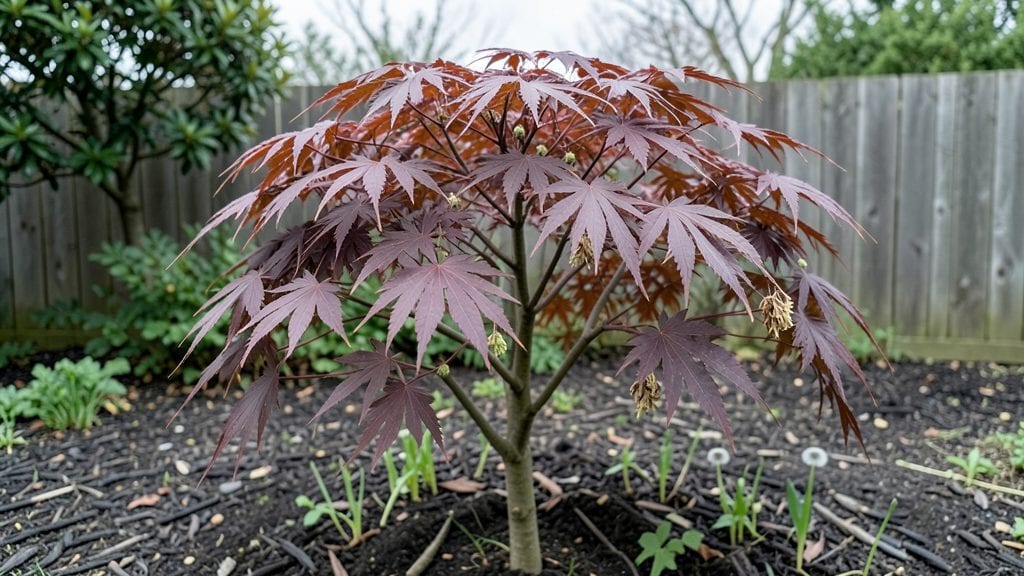
The Japanese flowering maple 🌸 thrives with the right care, especially when it comes to pruning for those show-stopping colors.
Your Japanese flowering maple’s stunning foliage could be fading if you’re missing these pruning techniques—discover how to revive its vibrant colors and keep it thriving for decades.
This tree isn’t just a pretty face; it’s a garden centerpiece that rewards precision. A little strategic trimming in the right season can make the difference between dull green and fiery reds, oranges, and purples.
Below, I’ll walk you through the exact timing, tools, and methods to prune like a pro—so your maple stays lush, healthy, and the talk of the neighborhood all year.
When and how to prune Japanese flowering maple for optimal color
The Japanese flowering maple (Acer palmatum) earns its reputation for breathtaking foliage, but its vibrant colors depend on precise pruning timing and technique. Pruning at the wrong time or with improper cuts can weaken the tree or dull its signature hues.
To maintain those deep reds, purples, or oranges, you’ll need to follow a seasonal schedule and use the right methods. Let’s break down when to prune and how to do it for maximum impact.
Most gardeners make the mistake of pruning their Japanese maples in late spring or summer, but this is when the tree is already pushing new growth. The best time to prune is actually late winter to early spring, just before buds swell but before active growth begins.
This timing ensures minimal stress and allows the tree to focus energy on producing rich, colorful foliage for the season. If you’re unsure about the exact timing, aim for February to March in most USDA zones.
Before grabbing your pruners, gather a few essential tools: sharp bypass pruners for clean cuts, sterilized shears to prevent disease spread, and a ladder or pruning saw for higher branches. Always sterilize your tools with rubbing alcohol to avoid introducing pathogens.
Additionally, have pruning sealant on hand for larger cuts over ½ inch in diameter to protect the tree from pests and disease.
Now, let’s dive into the step-by-step process to ensure your Japanese flowering maple stays vibrant and healthy.
Step-by-Step Pruning Guide for Japanese Flowering Maple
-
Step 1: Remove Dead or Diseased Branches
Start by identifying and cutting out any dead, broken, or diseased branches. These are often gray, brittle, or covered in spots. Make cuts just outside the branch collar (the swollen area where the branch meets the trunk) to promote faster healing.
-
Step 2: Thin Out Crowded Branches
Look for branches that are rubbing against each other or growing inward. These create weak points and block airflow. Remove 1 in 3 branches in crowded areas to improve light penetration and foliage health. Focus on branches that are thinner than a pencil for easier removal.
-
Step 3: Shape the Canopy for Balance
Use pruning to create a natural, balanced shape. Aim to maintain the tree’s open, airy form by cutting back branches that are growing too close to the center. Avoid creating a dense, umbrella-like canopy, which can lead to poor airflow and disease.
-
Step 4: Cut at the Right Angle
Make cuts at a 45-degree angle, just above an outward-facing bud. This ensures water runs off the cut and the new growth emerges in the desired direction. Avoid leaving stubs, as they can attract pests and disease. For larger branches, use a three-cut method to prevent tearing.
-
Step 5: Seal Larger Cuts
If you’re cutting branches over ½ inch in diameter, apply pruning sealant to the wound. This helps prevent sap loss, pest entry, and disease. For smaller cuts, sealant isn’t necessary—the tree’s natural healing response is usually sufficient.
-
Step 6: Clean Up and Monitor
After pruning, sterilize your tools again and dispose of debris properly. Monitor the tree for new growth in the following weeks. If you notice any unusual wilting, discoloration, or pest activity, address it promptly to keep your Japanese flowering maple thriving.
Pruning your Japanese flowering maple in late winter or early spring isn’t just about shaping—it’s about enhancing foliage intensity. By removing dead wood and thinning crowded branches, you allow more sunlight to reach the inner foliage, which boosts color vibrancy.
Additionally, proper pruning encourages the tree to produce stronger, healthier branches that support those stunning fall hues.
For young Japanese maples (under 5 years old), limit pruning to 10-15% of the canopy to avoid stunting growth. Older trees can handle more aggressive pruning, but never remove more than 25% of the foliage in a single session.
Over-pruning can shock the tree and lead to pale, weak new growth with less vibrant colors.
If your Japanese flowering maple has faded or dull foliage, it might be a sign of nutrient deficiency or improper pruning. In this case, apply a balanced fertilizer (10-10-10) in early spring and adjust your pruning approach.
Focus on thinning out dense areas and ensuring the tree gets adequate morning sunlight to maintain its color intensity.
Remember, the key to vibrant foliage is consistency. Prune your Japanese flowering maple annually in late winter or early spring, and avoid heavy pruning in summer or fall. With the right timing and technique, your tree will reward you with show-stopping colors for years to come.
🌸
Common pruning mistakes that kill Japanese flowering maple vibrancy
Your Japanese flowering maple may look dull or stressed if you're making these pruning mistakes. Even small errors can reduce foliage vibrancy and weaken growth. The key is understanding what your tree needs to thrive—like knowing when to prune for color versus when to avoid cutting altogether.
Many gardeners unintentionally harm their maple trees by pruning at the wrong time or using incorrect techniques. For example, cutting back too aggressively in late summer can stunt new growth and dull the fall colors you love.
Let’s explore the most common pitfalls and how to fix them before it’s too late.
Never remove more than 25% of foliage in one season—this stresses the tree and reduces color intensity. Over-pruning also invites disease and pests by exposing vulnerable wood. If your tree looks sparse, focus on selective pruning to restore balance.
One of the biggest mistakes is pruning during active growth periods. Japanese flowering maples are sensitive to late-summer cuts, which can trigger weak, watery growth that’s prone to fungal infections.
Always wait until late winter or early spring before touching your shears—this aligns with the tree’s natural dormancy cycle.
Improper cutting angles also weaken your tree. Avoid tearing branches or leaving jagged edges—these wounds invite decay. Instead, use sharp, clean pruners to make 45-degree cuts just outside the branch collar. This promotes faster healing and keeps the tree healthy for vibrant foliage.
Another silent killer is ignoring dead or diseased branches. Leaving them can spread blight or insect infestations throughout the tree. Remove any branches with black spots, peeling bark, or hollow centers immediately. Sterilize your tools with rubbing alcohol between cuts to prevent cross-contamination.
To revive a dull-looking maple, start by assessing its structure. Look for crossing branches or those growing inward—they compete for sunlight and weaken the tree.
Prune these first, then thin out crowded areas to improve air circulation. A well-pruned tree will reward you with brighter fall colors and stronger growth.
Remember, patience is key. Japanese flowering maples respond best to gradual pruning over time. Avoid the urge to "fix" everything at once—small, thoughtful cuts will keep your tree’s vibrant colors shining for years to come. 🌿✂️🍂