
Fertilization
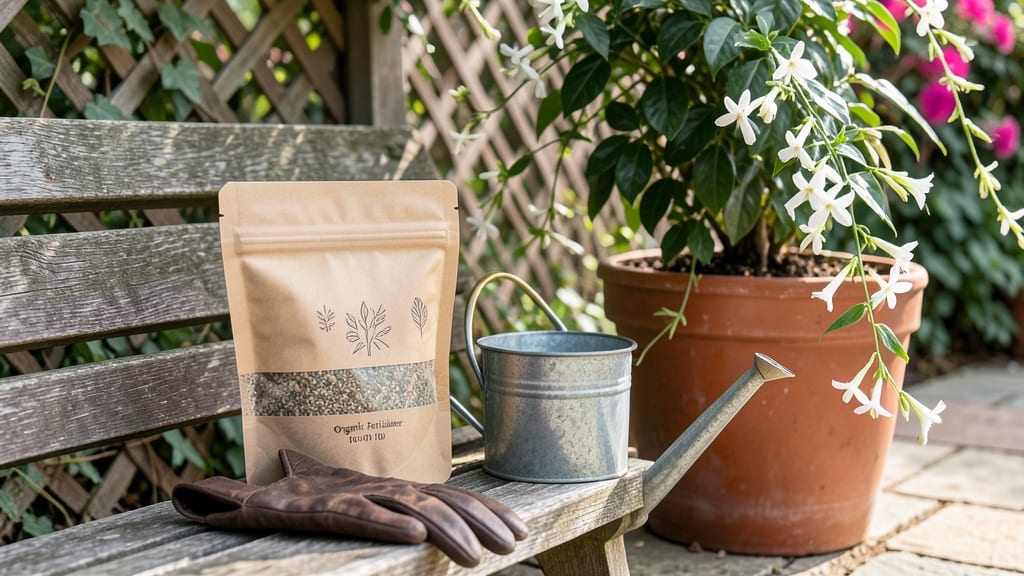
The intoxicating scent of jasmine isn’t just a dream—it’s a carefully cultivated reality, and the secret lies in balancing nitrogen, phosphorus, and potassium. Too much nitrogen? Lush leaves but no fragrance.
Too little phosphorus? Buds that refuse to open. Get the ratios wrong, and you’ll end up with a vine that looks healthy but smells like nothing.
Here’s the game-changer: a 5-10-10 fertilizer ratio during blooming season (June–September) delivers the phosphorus and potassium jasmine craves for those signature sweet blooms.
But timing matters just as much—feed lightly in spring to wake up roots, then ramp up as buds form, and taper off in fall to prep for dormancy.
Whether you’re growing in containers or garden beds, I’ll break down organic vs. synthetic options, how to spot over- or under-fertilization, and the 3 signs your jasmine is begging for a nutrient tweak. No guesswork, just fragrant results.
Optimal N-P-K ratios for jasmine flower growth and fragrance
Jasmine plants thrive when their nutritional needs align with their growth stages. The N-P-K ratio (nitrogen-phosphorus-potassium) directly impacts both foliage and fragrance production. Too much nitrogen can result in lush leaves but fewer blooms, while phosphorus and potassium are crucial for flowering and scent development.
Understanding these ratios ensures your jasmine produces abundant, fragrant blooms year after year.
Nitrogen (N) fuels leafy growth, but it’s not the priority for jasmine. Instead, focus on phosphorus (P) and potassium (K) to stimulate blooms and enhance fragrance. During the vegetative phase (spring), a balanced ratio like 5-10-10 encourages healthy foliage without overpowering the plant.
Once flowering begins, shift to a lower nitrogen, higher phosphorus blend, such as 3-12-6, to promote abundant blooms and stronger scent.
| Growth Stage | Recommended N-P-K Ratio | Key Nutrient Focus | Application Time |
|---|---|---|---|
| Vegetative (Spring) | 5-10-10 | Balanced growth, root development | April - May |
| Early Flowering (Late Spring) | 3-12-6 | Bloom initiation, phosphorus boost | June - July |
| Peak Blooming (Summer) | 2-10-8 | Fragrance enhancement, potassium support | July - August |
| Post-Bloom (Early Fall) | 4-6-8 | Root strengthening, winter prep | September |
During the vegetative phase, jasmine plants need a moderate nitrogen level to develop strong stems and leaves. A ratio like 5-10-10 provides enough nitrogen for growth while ensuring phosphorus and potassium are available for future blooms.
This phase typically occurs in spring, so apply fertilizer in April or May, just as new growth begins.
As jasmine transitions to flowering mode, reduce nitrogen and increase phosphorus. A 3-12-6 ratio encourages bud formation and stronger fragrance. Phosphorus is essential for energy transfer within the plant, which directly impacts bloom quality.
Apply this blend in late spring or early summer to support the first flush of flowers.
For peak blooming in summer, switch to a 2-10-8 ratio. This lower nitrogen and higher potassium blend helps maintain fragrance and extends the blooming period.
Potassium strengthens cell walls, making flowers more resilient and their scent more potent. Feed your jasmine with this ratio every 4-6 weeks during the summer months.
In early fall, prepare your jasmine for dormancy with a 4-6-8 ratio. This blend supports root development and stores nutrients for next year’s growth. Avoid fertilizing in winter, as jasmine enters a dormant phase and doesn’t require additional nutrients.
Over-fertilizing with nitrogen can lead to leafy growth at the expense of blooms, while too much phosphorus may cause leaf burn. Always follow the recommended ratios and application times to avoid nutrient imbalances. For container-grown jasmine, reduce fertilizer amounts by half to prevent salt buildup in the soil.
Monitor your jasmine’s response to fertilization. Yellowing leaves may indicate nitrogen deficiency, while sparse blooms could signal a need for more phosphorus. Adjust ratios based on these visual cues, and always water thoroughly after applying fertilizer to help nutrients reach the roots.
For organic gardeners, consider using compost tea or fish emulsion for nitrogen, bone meal for phosphorus, and kelp meal for potassium. These natural sources provide a balanced approach to feeding your jasmine while supporting overall plant health.
With the right N-P-K ratios, your jasmine will reward you with vibrant blooms and intoxicating fragrance. Experiment with seasonal adjustments to find what works best for your climate and growing conditions. Happy gardening! 🌸
Best organic and synthetic plant foods for jasmine flowers
Choosing the right jasmine plant food can transform your garden from fragrant dreams to reality. Jasmine thrives with a balanced NPK ratio of 5-10-10, but organic and synthetic options each offer unique benefits. Let’s explore the best choices to enhance those signature jasmine blooms and scent without overwhelming your plant.
Organic options like composted manure or fish emulsion provide slow-release nutrients that mimic natural soil conditions. Synthetic fertilizers, on the other hand, deliver precise nutrient ratios for faster results. Both have their place, but the right choice depends on your gardening goals and soil health.
Organic vs. Synthetic Plant Foods for Jasmine
Organic Options
- Pros: Improves soil health, slow-release nutrients
- Cons: Requires more frequent application, slower results
Synthetic Options
- Pros: Fast-acting, precise nutrient ratios
- Cons: Can burn roots if overapplied, no soil benefits
Top Organic Picks
- Fish emulsion (5-1-1 NPK)
- Composted manure (2-1-1 NPK)
- Bone meal (3-15-0 NPK)
Top Synthetic Picks
- 5-10-10 fertilizer (balanced for blooms)
- 10-20-10 fertilizer (higher phosphorus for fragrance)
- Slow-release granules (Osmocote 14-14-14)
For organic gardeners, I recommend starting with a fish emulsion in spring to kickstart growth, followed by a bone meal application before blooming season. These options not only feed your jasmine but also improve soil structure over time.
Mix them into the top 2 inches of soil or apply as a foliar spray for quick absorption.
Synthetic fertilizers like a 5-10-10 blend are ideal for container jasmine or when you need a quick fragrance boost. Apply every 4-6 weeks during the growing season, but always dilute to half-strength to avoid root burn. Pair this with a micronutrient supplement like kelp meal to enhance scent production.
Don’t forget about slow-release fertilizers like Osmocote granules. These provide steady nutrition over 3-6 months, reducing the risk of over-fertilization. Simply work them into the soil at planting time or top-dress annually for continuous feeding.
Whether you choose organic or synthetic, always monitor your jasmine’s response. Yellowing leaves may signal nitrogen excess, while sparse blooms could mean phosphorus deficiency. Adjust your feeding plan accordingly to keep your jasmine thriving and fragrant.