
Landscaping
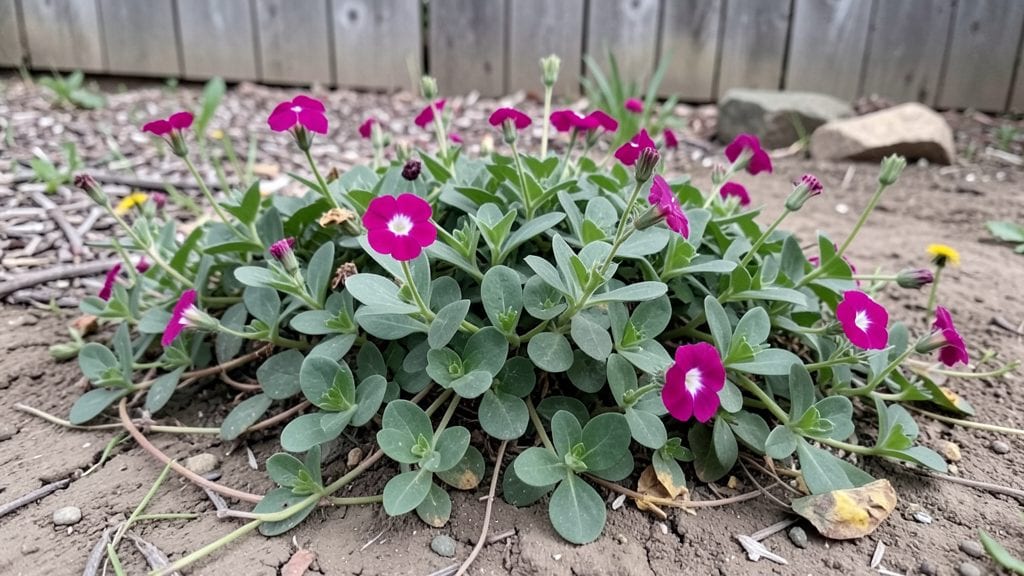
Designing a landscape vinca flower bed 🌸 is the easiest way to add bold color to your yard without the fuss of high-maintenance plants.
Tired of seasonal color in your garden? A well-designed vinca flower bed delivers vibrant blooms from spring through fall—while thriving on neglect and surviving drought. This drought-tolerant perennial is the secret weapon for low-maintenance, high-impact landscaping.
Whether you're looking to create a striking border, a lush ground cover, or a focal point in your yard, vinca’s adaptability makes it a game-changer. With the right spacing, color combinations, and companion plants, you can transform any area into a year-round showstopper.
In this guide, I’ll walk you through everything you need to know—from choosing the best vinca varieties to designing layouts that maximize beauty and minimize effort. Let’s get started!
How to design a stunning vinca flower bed with year-round color
A vinca flower bed transforms any landscape with its bold blooms and drought-resistant nature. Unlike seasonal annuals, vinca delivers continuous color from early spring until frost, making it perfect for low-maintenance gardens.
The key to a stunning design lies in strategic plant placement, color layering, and companion plants that extend seasonal interest.
Start by selecting a sunny location with well-draining soil—vinca thrives in full sun to partial shade and hates soggy roots. For year-round appeal, combine vinca with evergreen shrubs and seasonal perennials to fill gaps when vinca’s blooms fade.
This approach ensures your flower bed remains vibrant even in winter’s quiet months.
🚨 summary table 🚨
For maximum impact, begin with a color theme that complements your home’s exterior. Vinca varieties like 'Illumination' (yellow) or 'Gravitat' (purple) create striking contrasts when paired with silver-blue foliage plants like lamb’s ear (Stachys byzantina). This combination adds texture while keeping the drought-resistant theme intact.
When arranging vinca, follow the rule of thirds for visual balance. Place taller varieties like Vinca major (up to 18 inches) at the back, while spreading types like Vinca minor (6 inches) fill the front.
This creates a natural tiered effect that draws the eye and adds depth to your flower bed.
Incorporate seasonal fillers to extend color beyond vinca’s blooming season. For spring, add tulip bulbs that bloom before vinca wakes up, and for fall, tuck in sedum or heuchera to bridge the gap until winter. These plants also attract pollinators, enhancing your garden’s ecosystem.
Don’t overlook the power of edging materials to define your vinca bed. Use low stone borders, metal edging, or even mulch rings to create clean lines. This not only keeps vinca contained but also prevents it from spreading into lawn areas where it might struggle to compete.
To maximize bloom time, deadhead spent flowers regularly—this encourages new growth and prevents seed formation. Vinca is forgiving, but removing faded blooms keeps the plant looking neat and vibrant throughout the season. Pair this with a light spring feeding of 10-10-10 fertilizer to support robust growth.
For winter interest, select vinca varieties with evergreen foliage, such as 'Lavender Dream'. Combine these with ornamental grasses or boxwood shrubs to maintain structure when vinca’s blooms fade. A light dusting of snow on dark green leaves adds a magical touch to your landscape.
One of my favorite pro tips is to interplant vinca with low-growing roses like 'The Fairy' or 'Bonica'. The roses provide spring fragrance while vinca takes over as the star performer in summer and fall. This two-season show keeps your garden dynamic and engaging year-round.
Finally, remember that vinca’s drought tolerance makes it ideal for xeriscaping projects. Group it with other water-wise plants like lavender, Russian sage, and yucca to create a low-water landscape that thrives in USDA Zones 6-10
Best vinca varieties for different landscape styles and climates
Not all vinca varieties are created equal! Whether you're designing a sun-drenched border or a shady woodland garden, choosing the right type ensures vibrant color and resilience.
Some varieties thrive in hot, dry climates while others excel in cooler, humid regions. Let’s explore the best vinca types for your landscape style and growing conditions.
From the classic Vinca minor to the bold Vinca 'Illumination', each variety brings unique traits to your garden. Some spread aggressively, making them ideal for ground cover, while others stay compact, perfect for container gardens or rockeries.
Understanding their sunlight needs, color palette, and climate hardiness will help you create a vinca flower bed that wows year-round.
For shady landscapes, Vinca minor is my top pick—its blue flowers and low-growing habit make it perfect for under trees or along north-facing walls. In sunny, arid regions, Vinca 'Illumination' shines with its bright yellow blooms and heat tolerance, thriving where other plants wilt.
If you love romantic, cottage-style gardens, Vinca major with its delicate white and pink flowers adds soft elegance. For modern, minimalist designs, the deep purple-blue of 'Grape Cooler' creates striking contrast against greenery or gravel. Each variety adapts beautifully to its environment with minimal care.
Pro tip: Mix vinca varieties in your flower bed for seasonal color shifts. Start with Vinca minor in spring shade, then add Vinca 'Illumination' for summer sun, and let Vinca major take center stage in late summer with its fragrant blooms.
This layered approach ensures your vinca bed stays vibrant from spring to frost.
Always check your USDA hardiness zone before planting—some vinca types struggle in extreme cold or humidity. With the right variety, your vinca flower bed will be the low-maintenance star of your landscape, requiring only occasional pruning and drought-proof resilience. 🌸