
Flowers
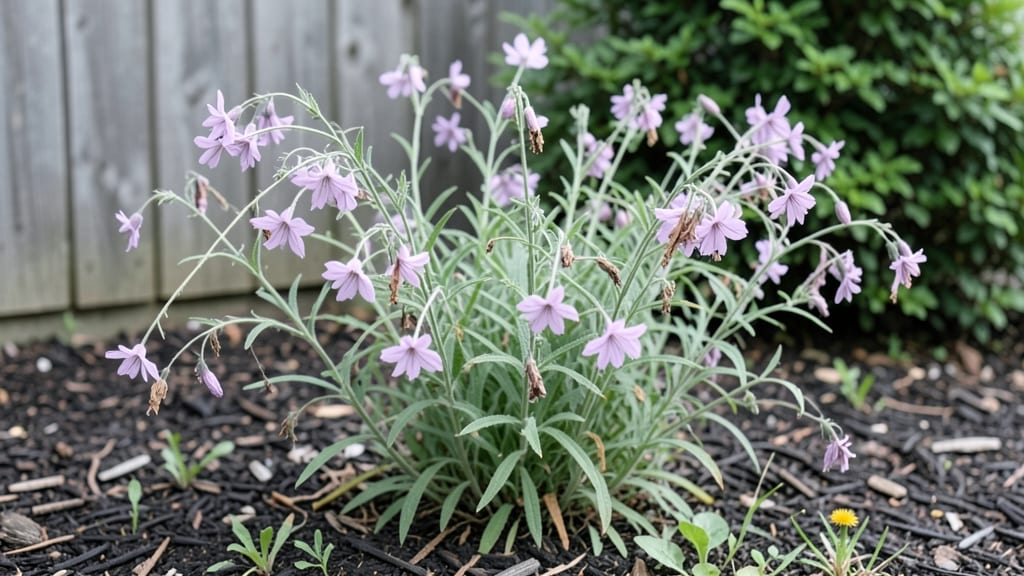
Growing large flowered gaura 🌸 means you get months of effortless blooms—if you avoid the one mistake that kills its self-cleaning habit.
If you love long-lasting blooms that require almost no maintenance, large flowered gaura could be your new favorite perennial—but only if you know how to coax it into continuous, effortless flowering.
This sun-loving perennial thrives in USDA Zone 6a and beyond, with spring planting setting the stage for summer-to-fall color. The secret? A few simple tweaks to soil, water, and light that turn "pretty but finicky" into "the plant that never quits."
Here’s how to skip the deadheading and still end up with vibrant, oversized blooms all season—plus the tricks to keep it from flopping or fading like other gaura varieties.
Why large flowered gaura blooms nonstop (and how to maximize its potential)
Large flowered gaura (Gaura lindheimeri) is a gardener's dream because it produces continuous blooms without deadheading. This isn't luck—it's science! Its unique self-cleaning flowers drop petals naturally, while its fast growth habit replaces them instantly.
Unlike other perennials that need constant pruning, gaura rewards you with year-round color with minimal effort.
The secret lies in its adaptive biology. Gaura blooms on new wood, meaning it produces flowers on fresh growth rather than last year's stems. This means even if you skip pruning entirely, the plant keeps generating new blooms.
Combine this with its drought tolerance and low-maintenance nature, and you've got a perennial that practically blooms on autopilot.
To unlock gaura's full potential, focus on three key factors: light exposure, soil conditions, and seasonal growth habits. Get these right, and your gaura will reward you with vibrant blooms from spring to frost.
Let's break down the science—and the simple strategies—to make this happen in your garden.
🌸
One of the most fascinating aspects of large flowered gaura is its self-cleaning mechanism. Unlike petunias or roses, gaura doesn't need you to snip off spent blooms. Instead, its flowers drop petals naturally as they fade, leaving behind clean stems ready for new blooms.
This automatic renewal is why gaura is often called a "no-fuss" perennial.
The plant's ability to bloom continuously also depends on its light requirements. Gaura thrives in full sun (6+ hours daily), which triggers its photosynthetic engines to produce energy for nonstop blooming. If you notice fewer flowers, it might be a sign your gaura isn't getting enough light.
Try moving it to a sunnier spot or even a reflective surface like a white wall to bounce extra light onto the foliage.
Soil plays a critical role too. Large flowered gaura prefers well-draining soil with a slightly alkaline to neutral pH (6.0–7.5). Heavy or waterlogged soil can suffocate its roots, leading to poor blooming or even death.
If your soil is clay-heavy, amend it with compost or sand to improve drainage. A light mulch layer also helps retain moisture while keeping roots cool.
For year-round blooms, pay attention to your gaura's seasonal habits. In spring, it focuses on leaf and stem growth, while summer and fall are peak blooming seasons. Even in winter, gaura often produces occasional blooms if temperatures stay mild.
To encourage this, avoid heavy pruning in late fall—just trim back any dead or damaged stems to keep the plant tidy.
🌿
If you want to take your gaura's performance to the next level, consider light fertilization during its growing season. A balanced 10-10-10 fertilizer applied every 4–6 weeks in spring and summer provides the nutrients needed for vibrant blooms without promoting too much foliage.
Avoid over-fertilizing, though—gaura is not a heavy feeder and can become leggy if overfed.
Finally, resist the urge to prune back heavily
5 Pro tips to keep large flowered gaura flowering all season long
Large flowered gaura (Gaura lindheimeri) is a dream for gardeners who want effortless, long-lasting blooms. Unlike many perennials, it naturally sheds old flowers, reducing the need for constant deadheading.
But to maximize its season-long flowering, a few strategic tweaks make all the difference. Let’s dive into the proven techniques that’ll keep your gaura in full bloom from spring to frost.
The secret to gaura’s continuous blooming lies in its light love, watering balance, and pruning patience. Unlike high-maintenance flowers, gaura thrives with minimal fuss—but it still rewards gardeners who understand its natural growth rhythms.
By adjusting your care slightly based on the season, you’ll avoid leggy stems and encourage larger, more abundant blooms without the headache of deadheading.
- 1 Water deeply but infrequently—gaura hates soggy roots but drought stress stunts blooms. Aim for 1 inch of water per week, letting soil dry between waterings. Mulch with 2-3 inches of organic mulch to retain moisture and regulate soil temperature.
- 2 Skip the pruning—gaura blooms on new wood, so cutting back old stems reduces flowers. Instead, pinch back leggy growth in early spring to encourage bushier, denser blooms. Avoid heavy pruning after mid-summer to preserve fall color.
- 3 Plant with drought-tolerant companions like lavender, yarrow, or Russian sage to reduce competition and deter pests. Avoid heavy feeders like petunias or impatiens, which can outcompete gaura for nutrients and water.
- 4 Fertilize lightly in spring with a balanced 10-10-10 fertilizer to boost early growth, but stop feeding after July. Over-fertilizing late in the season leads to leafy growth over blooms, cutting short your gaura’s fall display.
- 5 Adjust care by season: In spring, focus on watering and light feeding; in summer, prioritize shade cloth if temps exceed 90°F; and in fall, reduce watering to harden off plants for winter.
One of the biggest mistakes gardeners make with gaura is overwatering or pruning too late. Gaura’s self-cleaning habit means you won’t need to deadhead, but consistent moisture and minimal interference are key.
If your gaura starts looking leggy or sparse, it’s likely a sign of too much nitrogen or inconsistent watering. Adjust your routine, and you’ll see a rebound in blooms within weeks.
For container gardening, choose pots with drainage holes and use a lightweight, well-draining mix. Gaura in containers dries out faster, so check soil moisture daily in peak summer heat.
A 5-gallon pot works well for one plant, but avoid overcrowding—gaura needs air circulation to prevent fungal issues like powdery mildew.
By following these 5 simple strategies, your large flowered gaura will outperform expectations, blooming longer and harder than you’ve ever seen. The best part? You’ll spend less time fussing and more time enjoying its effortless beauty—just like nature intended. 🌸