
Trees
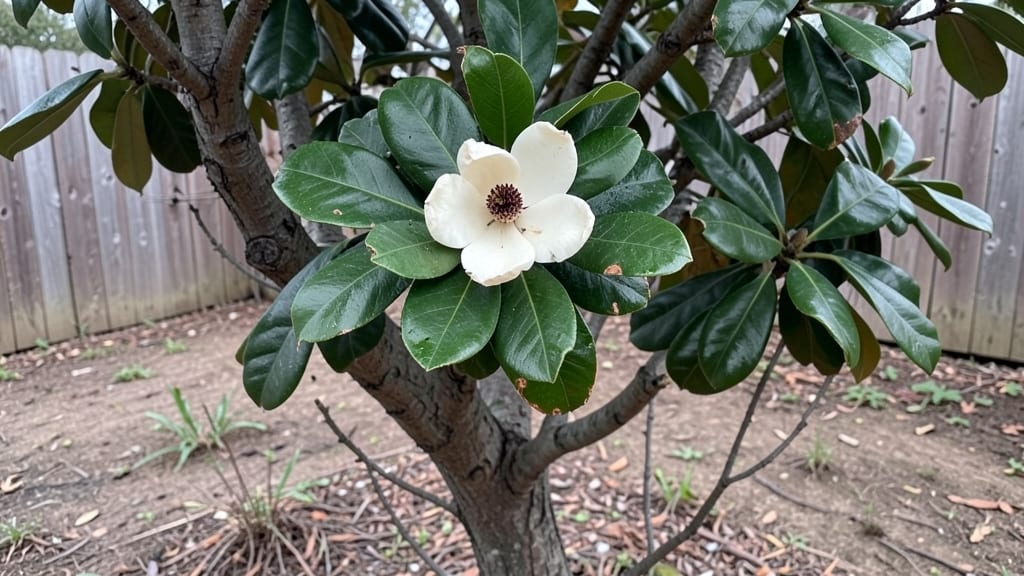
Large magnolia flowers bring unmatched drama to any garden, their fragrant blooms lighting up spring with bold colors and velvety petals.
If your magnolia 🌸 isn’t living up to its reputation, the culprit might be hidden in plain sight: your pruning habits. A single misplaced cut can rob you of next year’s showstopping display, while the right techniques turn your tree into a year-round focal point.
This isn’t just about trimming dead branches—it’s about strategic shaping that preserves blooms while keeping your magnolia healthy and striking. Whether you’re working with a towering specimen or a smaller variety, the secrets to longer, more abundant flowers start with when (and how) you prune.
Discover the timing tricks that protect blooms, the tools that make the job easier, and how to avoid common mistakes that leave your magnolia looking tired instead of thriving.
When and how to prune large magnolia flowers for maximum blooms
Pruning your large magnolia flower isn’t just about keeping it tidy—it’s the secret to unlocking those showstopping blooms year after year. Unlike many trees, magnolias bloom on old wood, meaning last year’s growth produces this year’s flowers.
Cut at the wrong time, and you risk losing next season’s blooms entirely. The key? Timing, precision, and knowing which branches to touch (and which to leave alone).
Most gardeners make one of two mistakes: pruning too late in the season (after buds form) or over-trimming without a clear plan. I’ve learned the hard way that magnolias are sensitive to aggressive pruning, so I now follow a structured approach that prioritizes health and bloom production.
Whether you’re dealing with a young sapling or a mature giant, these steps will help you prune like a pro.
⚠️ Critical Note: Never prune after June 30th—this is the absolute deadline for avoiding bloom loss. Buds for next year’s flowers begin forming in late summer, so any cuts after this date risk removing potential blooms. Mark your calendar now!
Step-by-Step Pruning Guide for Large Magnolia Flowers
- Step 1: Remove Dead or Diseased Wood
Start by identifying dead branches—they’re usually dry, brittle, or discolored. Use clean, sharp pruners to cut these back to the main trunk or healthy branch. This step is non-negotiable for tree health.
- Step 2: Thin the Crown for Better Airflow
Select 3-5 key branches to thin, focusing on those that cross or rub against others. Aim to reduce density by 20-30%—this improves light penetration and reduces disease risk. Never remove more than 25% of the canopy in one year.
- Step 3: Shape for Balance and Form
Step back and visualize the tree’s natural shape. Remove sparse or misplaced branches to create a balanced silhouette. For large magnolias, focus on lower branches first to open up the base for easier access and aesthetics.
- Step 4: Prune for Structural Integrity
Look for weak or storm-damaged branches. Cut these back to a strong lateral branch or the trunk. Use a 3-cut method for branches thicker than 2 inches to prevent bark tearing.
- Step 5: Clean Up and Sterilize Tools
After pruning, disinfect tools with rubbing alcohol to prevent spread of diseases. Remove all pruned debris from the base to avoid fungal growth and pests.
Timing your pruning is just as critical as the technique. For Southern climates (Zones 7-10), the ideal window is late winter to early spring (February–March), right before new growth begins.
In Northern climates (Zones 3-6), wait until late April or May to avoid late frosts that can damage tender new shoots.
If you’re pruning a young magnolia (under 5 years old), focus on removing only dead or crossing branches. Avoid heavy shaping—these trees are still establishing their structure, and aggressive cuts can stunt growth.
For mature trees, prioritize crown thinning and structural support to prevent wind damage and branch breakage.
One mistake I see often is pruning for aesthetics over health. For example, cutting branches just because they’re too long or out of place can remove next year’s blooms.
Always ask: “Will this cut harm future flowers?” If the branch has flower buds (usually visible as swollen nodes), leave it be.
For large magnolias with heavy canopies, consider using a pole saw or ladder to reach higher branches safely. Never stand on unstable surfaces—magnolia branches can be surprisingly heavy when wet. If the tree is over 30 feet tall, hiring a certified arborist is the safest option.
After pruning, water deeply to help the tree recover. Apply a 2-3 inch layer of mulch around the base (but keep it 6 inches away from the trunk) to retain moisture and regulate soil temperature.
This step is especially important in hot, dry climates where magnolias can stress easily.
Finally, monitor your magnolia in the weeks after pruning. Look for new growth (a good sign!) and watch for signs of stress, like yellowing leaves or wilting.
If you see excessive leaf drop, your tree may be over-pruned. In this case, avoid further cuts until next season.
Common pruning mistakes that kill magnolia blooms (and how to fix them)
Your large magnolia flower might look healthy, but if you're seeing fewer blooms each year, pruning mistakes could be the culprit. Magnolias are sensitive to improper cuts, and even small errors can signal your tree to focus on new growth instead of showstopper blooms.
The good news? Most issues are easily fixable with the right timing and technique.
One of the biggest mistakes is pruning at the wrong time. Cutting back in late summer or fall removes next year's flower buds, leaving you with bare branches. Even light trimming during these months can drastically reduce bloom potential.
Another silent killer is over-pruning, where removing too much foliage stresses the tree and diverts energy away from flowering.
Pruning Mistakes vs. Correct Techniques for Large Magnolia Flowers
Mistakes to Avoid
- Wrong timing: Pruning in late summer/fall removes next year's buds.
- Over-pruning: Removing more than 25% of foliage stresses the tree.
- Wrong cuts: Topping or flushing cuts create ugly stubs.
- Improper tools: Using dull shears tears bark instead of clean cuts.
Correct Techniques
- Right timing: Prune in late winter/early spring (before buds swell).
- Minimal cuts: Remove only dead/diseased wood—never more than 20%.
- Clean angles: Cut just outside the branch collar at a 45° angle.
- Sharp tools: Use bypass pruners for clean cuts on small branches.
Another critical error is cutting at the wrong angle or leaving stubs. When you top a magnolia or make flush cuts, you damage the tree's natural healing process and create entry points for pests.
Always aim to cut just outside the branch collar—the swollen area where the branch meets the trunk. This ensures faster healing and minimizes stress.
If you've already made pruning mistakes, don't panic. Start by identifying dead or diseased branches and removing them first. For healthy branches, focus on shaping rather than reducing size.
Even a few strategic cuts can improve airflow and encourage better blooming next season. Just remember: patience is key—magnolias reward careful, minimal pruning with stunning displays.
For mature trees, avoid pruning more than 20% of the canopy in any single session. If your magnolia has heavy canopies, consider breaking pruning into two light sessions spaced a month apart.
This gives the tree time to recover and reduces shock. Always step back and assess the tree's shape after pruning—your goal should be to enhance natural beauty, not alter it drastically.
Finally, never prune a magnolia in response to immediate issues, like pests or disease, without researching the best approach. Some problems require targeted treatments rather than broad pruning. When in doubt, consult a local arborist or extension service for guidance tailored to your tree's specific needs.
With the right techniques, your magnolia will reward you with bigger, longer-lasting blooms for years to come. 🌸