
Shrubs
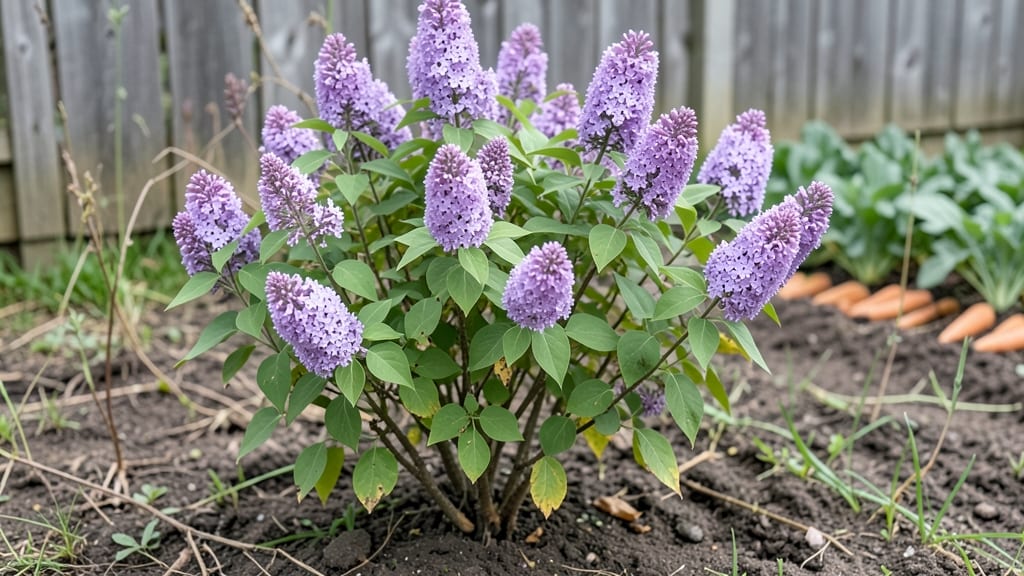
Cutting lilac flowers for bouquets turns your yard into a fragrant treasure chest—if you time it right.
I’ve learned the hard way that harvesting too early or too late means wilted stems by dinner, but mastering this simple trick lets you enjoy those sweet purple clouds in vases for 10+ days.
The secret lies in the color: buds should just be opening, not fully bloomed, and the stems need to be thick enough to hold water.
You’ll need sharp pruners, a clean bucket of water, and a sunny spot to arrange them immediately after cutting. Most lilacs bloom in late spring, so mark your calendar for 3-5 days of peak harvest—once the flowers fade, they’re gone until next year.
The best part? Lilacs reward gentle pruning by coming back even stronger, so you’re not just cutting flowers, you’re securing next season’s bounty.
After cutting, strip the lower leaves and recut stems underwater to maximize vase life. A splash of sugar in the water keeps them fresh longer, and changing the water every 2-3 days prevents bacteria.
The fragrance alone makes it worth the effort—imagine waking up to that sweet, intoxicating scent filling your home. Just avoid over-pruning, or you’ll stunt future blooms.
This method works for all lilac varieties, whether you’ve got a single bush or a whole hedge. Start small with a few stems, then scale up as you perfect your timing. Your neighbors will be jealous of those perfectly fragrant bouquets that keep giving all season.
📚 In This Guide
- What you need
- Instructions
- Tips and common mistakes
- Wrapping up and next steps
What you need
- ● Lilac plants or bare-root cuttings: Choose disease-resistant varieties like Syringa vulgaris (common lilac) or fragrant hybrids. 2-3 plants (for full blooms) or 10-15 bare-root cuttings (for propagation).
- ● Well-draining soil: Mix equal parts garden soil, compost, and perlite (or sand) for optimal aeration. Test soil pH—lilacs thrive in neutral to slightly alkaline (6.0–7.5).
- ● Sunlight access: A location with full sun (6+ hours/day) or partial shade (morning sun, afternoon shade) in hot climates.
- ● Watering can or hose: With a gentle spray nozzle to avoid damaging stems.
- ● Pruning shears: Sharp, clean, and sterilized (7–10" bypass pruners work best).
- ● Mulch: 2–3 inches of organic mulch (e.g., wood chips or straw) to retain moisture and suppress weeds.
- ● Fertilizer: Balanced, slow-release granular fertilizer (10-10-10 or 20-20-20) or organic compost (apply in early spring).
- ○ Support stakes (optional for young plants): 3–4 ft bamboo or metal stakes to secure newly planted lilacs.
- ● Soil amendments: Lime (to adjust pH) or bone meal (for phosphorus) if your soil is acidic.
- ● Slow-release watering system: Drip irrigation or soaker hoses for consistent moisture.
- ● Plant tags or labels: To track varieties and pruning schedules.
- ● Floral preservative: Commercial solution (e.g., Flower Food) for extending the life of your lilac cut flowers in vases.
- ● Gloves: Garden gloves to protect hands during pruning or soil handling.
How to grow lilac cut flowers for long-lasting fragrance
Here's the straightforward method I've used for years to grow lilacs that produce abundant, fragrant cut flowers season after season.
Choose the Right Location and Plant Lilacs Properly
Lilacs thrive in full sun—at least 6 hours of direct sunlight daily—and well-draining soil. I always plant them in a spot where they won’t be disturbed, since lilacs establish deep roots and dislike transplanting later. Dig a hole twice as wide as the root ball but only as deep as the container’s base. This prevents burying the plant too deeply, which can rot the stem.
Place the lilac in the hole, ensuring the top of the root ball sits just below soil level. Backfill with native soil, tamping gently to remove air pockets. Water deeply right after planting to settle the soil and encourage root contact. Mulch with 2-3 inches of organic mulch (like shredded bark) to retain moisture and suppress weeds, but keep it 6 inches away from the stem to prevent rot.
Prune for Health and Better Blooms
Pruning lilacs might seem intimidating, but I’ve found the key is timing and technique. The best time to prune is right after flowering, when the blooms have faded but before new buds form. This ensures you don’t accidentally cut off next year’s flowers. Use clean, sharp pruners to make cuts at a 45-degree angle just above a bud or branch.
Remove any dead, diseased, or crossing branches first. Then, shape the shrub by cutting back older stems to just above an outward-facing bud. Avoid cutting back more than one-third of the plant’s height in a single year—lilacs are tough but not invincible. Thin out crowded branches to improve airflow, which reduces the risk of fungal issues like powdery mildew.
Water and Fertilize for Strong Growth
Lilacs are drought-tolerant once established, but young plants need consistent moisture during their first year. Water deeply once a week if rainfall is less than 1 inch, ensuring the soil is moist 6 inches down. Overwatering is worse than underwatering—lilacs hate soggy roots. I check soil moisture by sticking my finger 2 inches deep; if it feels dry, it’s time to water.
Fertilize lightly in early spring with a balanced, slow-release fertilizer (like 10-10-10). Too much nitrogen leads to leafy growth at the expense of flowers. I skip fertilizer in the second year unless the plant looks weak. Lilacs are low-maintenance once they’re settled in—just give them space, sunlight, and occasional pruning.
Harvest and Enjoy Your Cut Flowers
The moment you’ve been waiting for: harvesting your lilacs. Pick flowers in the morning when buds are just beginning to open but haven’t fully bloomed yet. This extends their vase life significantly. Use clean, sharp pruners or scissors to cut stems at a 45-degree angle about 6 inches below the flower cluster. This encourages the plant to branch out and produce more blooms next year.
Strip the lower leaves from the stems before arranging them in water. Lilacs last 5-7 days in a vase if you change the water every 2 days and trim the stems by ½ inch each time. For the longest-lasting bouquets, I add a splash of bleach (1 teaspoon per quart of water) to keep the water clean and prevent bacterial growth.
Tips & tricks for perfect lilac cut flowers
A few simple strategies will help you grow lilacs that produce abundant, fragrant cut flowers year after year.
Location and Soil Preparation: In Step 1, don't overlook the importance of well-draining soil. Amend heavy clay soil with compost or sand to improve drainage, which is critical for preventing root rot. I also recommend testing your soil pH—lilacs prefer slightly acidic to neutral soil (pH 6.0-7.0). If your soil is too alkaline, add sulfur or peat moss to lower the pH before planting. The right soil conditions make all the difference in establishing healthy roots that support strong blooms.
Pruning Technique: When pruning in Step 2, focus on creating an open center shape that allows sunlight to reach all parts of the shrub. This not only improves airflow but also encourages more blooms. I've found that making cuts just above an outward-facing bud helps direct new growth outward, creating a fuller, bushier plant. After pruning, I always sanitize my pruners with rubbing alcohol to prevent spreading disease between cuts.
Watering Wisdom: The watering instructions in Step 3 are crucial for young plants. I've learned the hard way that lilacs are sensitive to both underwatering and overwatering. To check soil moisture accurately, insert your finger about 2 inches deep—this gives you a better sense of moisture levels than just checking the surface. In hot summers, you might need to water twice a week instead of once, especially if your area receives less than 1 inch of rainfall.
Harvesting Timing: For Step 4, timing your harvest is everything. I recommend picking lilacs when about 25% of the buds have opened—that's when they'll last longest in your vase. The morning harvest is ideal because the stems are fully hydrated from overnight. After cutting, immediately place the stems in water to prevent air bubbles from blocking the stem's ability to drink up water. This simple step can extend your bouquet's life by an extra day or two.
Pro Tips for Lilac Cut Flowers
- A few simple strategies will help you grow lilacs that produce abundant, fragrant cut flowers year after year.
- Location and Soil Preparation: In Step 1, don't overlook the importance of well-draining soil.
- Pruning Technique: When pruning in Step 2, focus on creating an open center shape that allows sunlight to reach all parts of the shrub.
Frequently asked questions
Got questions about growing and enjoying lilac cut flowers? Here are answers to some of the most common queries—so you can savor those fragrant blooms with confidence!
How do I know when lilac cut flowers are ready to harvest?
Lilacs are at their peak when about half of the buds on a branch have opened—this usually happens in late spring to early summer. Look for fully unfurled petals with vibrant color (though they’ll last longer if cut when just slightly underripe). Morning harvests yield the freshest stems, as flowers are hydrated and less stressed.
How long do cut lilac flowers last in a vase?
With proper care, lilac cut flowers typically last 5–7 days in water. To extend their life, trim stems at a 45-degree angle and change the water every 2 days. Avoid direct sunlight and heat, which can cause petals to wilt faster. Adding a flower food packet to the vase water can also help!
Can I grow lilacs from cuttings, or do I need to buy a plant?
You can propagate lilacs from cuttings, but it’s a slow process (taking 1–2 years to mature). For faster results, buy a young potted plant from a nursery—it’ll establish roots and bloom sooner. If you’re patient, try taking 4–6 inch softwood cuttings in early summer, dipping them in rooting hormone, and keeping them moist in a shaded spot.
Why are my lilac flowers drooping or wilting, even when they’re freshly cut?
Drooping lilac blooms often mean overwatering or transpiration stress (losing too much water). If stems feel squishy or mushy, they may be rotting—trim off damaged parts and place them in fresh, cool water. For wilting after cutting, try soaking stems in warm water for 1–2 hours before arranging to rehydrate them.
Are there any alternatives to traditional lilacs for cut flowers?
If you love lilac’s fragrance but want variety, try these fragrant cut-flower alternatives:
- Mock Orange (Philadelphus) – Similar scent, blooms in late spring.
- Sweet Pea (Lathyrus odoratus) – Delicate, vine-like flowers with a light floral aroma.
- Jasmine (Jasminum) – Night-blooming but intensely fragrant when cut.
- Honeysuckle (Lonicera) – Sweet, tubular flowers that attract pollinators.
Wrapping up and next steps
Lilac cut flowers bring timeless beauty and intoxicating fragrance to your garden—and with the right care, they’ll reward you for years to come! 🌸 Whether you’re a seasoned gardener or just starting, their hardy nature and stunning blooms make them a perfect addition.
Now that you’re armed with the know-how, it’s time to roll up your sleeves and plant, nurture, and enjoy these fragrant stars.
Ready to transform your space? Start by choosing your favorite lilac variety, prepping the soil, and giving these blooms the love they deserve. Soon, you’ll be clipping fresh lilac cut flowers for bouquets that smell as good as they look!