
Blooming
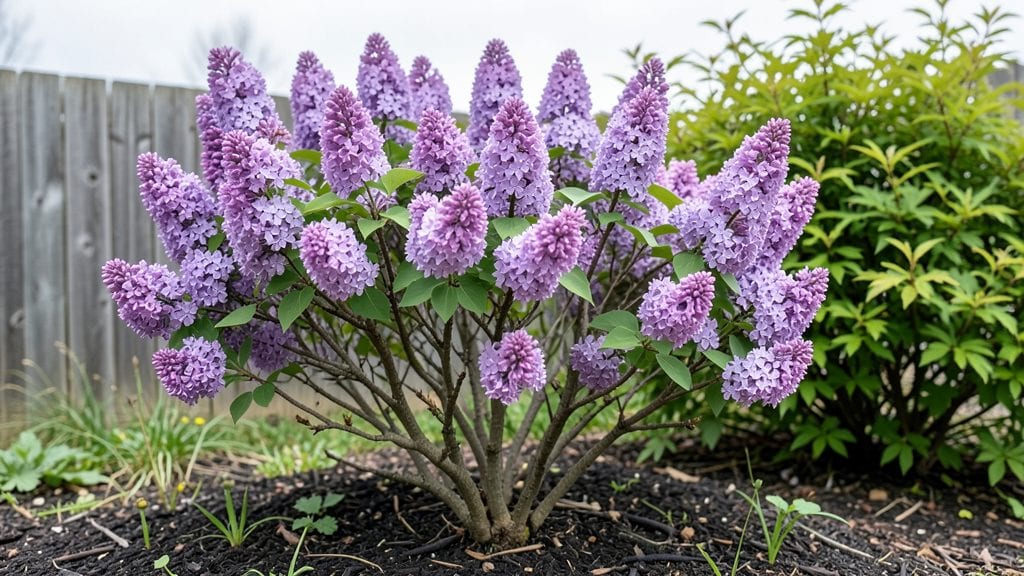
Lilac flower season typically spans April through June in most U.S. regions, with peak blooming varying from late April in the South to early June in cooler Northern states like New England. Early bloomers like Syringa vulgaris often appear first, followed by later varieties like Syringa meyeri.
Timing isn't just about location—it's also about the lilacs' resilience to weather shifts. A hard frost after buds form can delay blooms by weeks, while a warm winter might trigger early growth in Zone 6 and above.
I've noticed that Syringa meyeri often thrives in cooler climates, pushing its peak to early June, while southern varieties like Syringa persica might start as early as March in Zone 8 regions. 💛
For gardeners chasing the best display, tracking your local frost dates is key—most lilacs need 500-700 chill hours to bloom reliably. That's why Northern gardens see later peaks: they're waiting for consistent warmth to break dormancy.
Pro tip: Planting near a south-facing wall can advance blooming by 1-2 weeks in cooler zones.
💡 In This Article
- Climate Factors Affecting Lilac Blooming Timing
- Pruning and Care for Extended Lilac Flower Season
Climate factors affecting lilac blooming timing
Lilacs rely on a precise balance of chilling and warming to trigger blooming, with chill hours (temperatures between 32-45°F) being the critical factor. Most varieties need 500-1,000 chill hours during winter dormancy—this cold exposure resets their biological clock.
Southern lilacs in Zone 8-9 often get fewer chill hours, so they bloom earlier (sometimes as early as March), while Northern varieties in Zone 3-5 may wait until late May or June for consistent warmth to break dormancy. 🌡️
The transition from winter dormancy to spring growth happens when daytime temperatures consistently reach 50-55°F for at least 5-7 days. This warmth signals the plant to push out buds, but a late frost (28°F or lower) can damage emerging flowers.
In Zone 6, for example, lilacs might start blooming in early May, only to have flowers killed by a 24°F frost—delaying the peak by 2-3 weeks.
Sunlight exposure also plays a role: lilacs need 6-8 hours of direct sun daily to develop strong buds, but too much afternoon sun in hot climates (like Zone 9) can stress plants and shorten bloom duration.
Hardiness zones directly correlate with bloom timing because they reflect cumulative climate patterns. A Zone 4 lilac (like Syringa meyeri) might bloom in early June because it requires more chill hours and cooler spring temperatures, while a Zone 7 variety (like Syringa persica) could start in late April.
The key difference? Northern lilacs prioritize survival over early blooming, while Southern varieties sacrifice some hardiness for earlier displays. This is why gardeners in transitional zones (like Zone 6-7) often see the most variable bloom windows—sometimes spanning 3-4 weeks depending on winter severity. 🌿
Frost patterns create another layer of complexity. Lilacs in Zone 5-6 often experience "false springs," where warm spells in February or March trick plants into budding, only to be killed by a late frost. This phenomenon can delay the true bloom season by 3-4 weeks.
Conversely, in Zone 8-9, where frosts are rare, lilacs may bloom continuously from February through May if varieties are chosen carefully. The science here involves hormonal shifts: cold snaps trigger the plant to produce more dormancy hormones, while consistent warmth accelerates flowering.
Microclimates—like urban heat islands or sheltered garden spots—can shift bloom timing by 1-2 weeks. For instance, a lilac planted against a brick wall in Zone 5 might bloom 7-10 days earlier than one in an open field due to retained heat.
Similarly, coastal areas with milder winters (like Zone 7 in Oregon) can see lilacs blooming in late March, while inland Zone 7 areas might not see them until early May. This variability is why local observations matter more than hardiness zone averages alone. 🌊
What most gardeners overlook is how soil temperature affects root activity. Lilac roots need soil at 50°F or warmer to actively support bud growth—cold, wet soils can delay blooming even if air temperatures are ideal.
This is why raised beds or well-draining soil in Zone 4-5 can advance bloom times by 10-14 days compared to heavy clay soils. The root zone's warmth triggers the plant's vascular system to transport nutrients to the buds, making it a silent but critical factor in bloom timing. 🌱