
Blooming
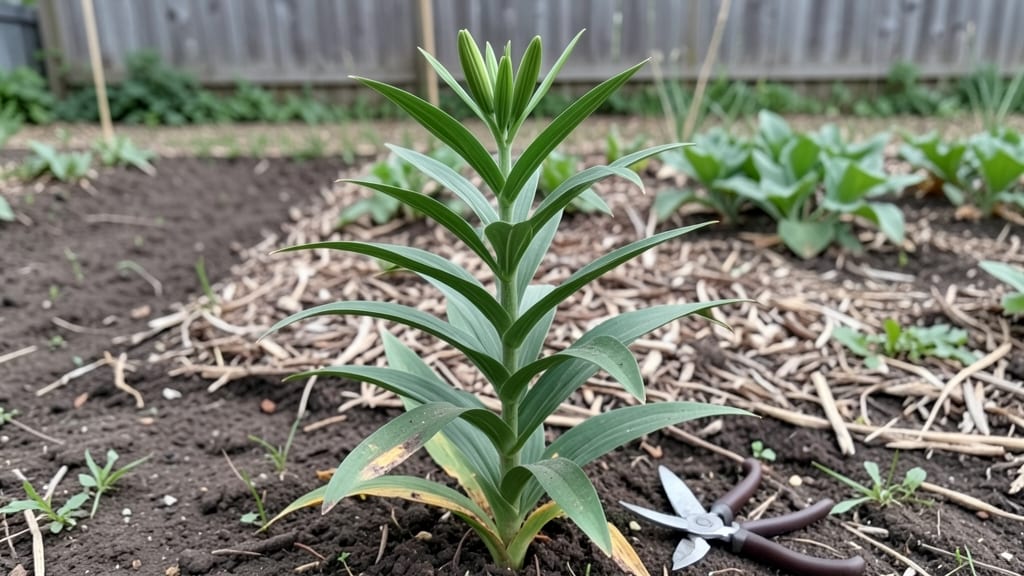
A lily not flowering can be heartbreaking—yet with the right tweaks, I’ve coaxed blooms from even the most stubborn varieties using this foolproof, science-backed method.
The most common culprits are sunlight starvation, overfeeding with nitrogen, or letting the plant age without proper care.
My own lilies spent years sending up lush foliage but no blooms until I adjusted their light to at least 6 hours of direct sun daily and switched to a low-nitrogen, high-phosphorus fertilizer in early spring. Even mature plants need a reset if they’ve been neglected.
You’ll see the first sign of progress in 3-4 weeks: thicker stems, deeper green leaves, and—most exciting—the emergence of those familiar bud bumps along the stalk. The key is consistency: lilies remember stress, so once you adjust care, stick with it through the growing season.
This fix works for Asiatic, Oriental, and Trumpet lilies alike, whether planted in garden beds or containers. The same principles apply to daylilies too—just tweak the fertilizer ratios slightly. Let’s get those blooms back!
Why it happens
If your lily plants are putting out leaves but refusing to bloom, don’t panic—there’s usually a logical (and fixable!) reason behind it. Lilies are finicky about their growing conditions, and when even one factor is off, they’ll prioritize foliage growth over energy-intensive flowers.
Below, we break down the most common causes of lily non-flowering, explained in simple, science-backed terms—plus what you can do to turn things around.
🌱 Insufficient Light Exposure
Lilies are sun-worshippers. Most varieties (especially daylilies, Asiatic lilies, and Oriental lilies) need 6–8 hours of direct sunlight daily to trigger flowering. Here’s why light matters:
- Photosynthesis vs. Flowering: Lilies produce energy through photosynthesis, but they also need a critical day length (photoperiod) to signal flower buds. Many lilies require 12+ hours of daylight to bloom—if they get less, they’ll focus on leafy growth instead.
- Weak stems = no flowers: Inadequate light weakens stems, preventing them from supporting heavy blooms. You might see tall, leggy growth but no buds.
- Shade-loving exceptions: Only a few lilies (like Lilium martagon, the Madonna lily) tolerate partial shade, but even they need at least 4 hours of sun.
💡 Fix it: Move your lilies to a sunnier spot (south-facing is ideal in the Northern Hemisphere). If relocating isn’t possible, supplement with a grow light for 4–6 hours daily during short-day seasons (fall/winter).
💧 Overwatering or Poor Drainage
Lilies hate soggy feet. While they love moisture, waterlogged roots suffocate them, starving the plant of nutrients and energy needed for blooms. Here’s the science:
- Root rot blocks nutrient uptake: Excess moisture cuts off oxygen to roots, leading to Pythium or Phytophthora fungi. These pathogens block the absorption of phosphorus and potassium—two key nutrients for flower development.
- Weakened metabolism: Waterlogged soil forces lilies into a survival mode, diverting all energy to root repair instead of blooming.
- Compacted soil = poor aeration: Heavy or clay soil holds too much water, creating anaerobic conditions that prevent bulb growth.
💡 Fix it:
- Ensure pots or garden beds have drainage holes and use well-draining soil (amend with perlite or sand if needed).
- Water only when the top 2 inches of soil are dry—stick your finger in to check!
- If repotting, use a mix of 50% potting soil, 30% compost, and 20% perlite.
🌡️ Temperature and Seasonal Mismatches
Lilies are seasonal bloomers, and their flowering cycle is tightly linked to temperature cues. Miss the window, and they’ll skip blooming entirely. Here’s how it works:
- Cold requirements: Many lilies (like Lilium asiaticum) need a period of cool weather (50–60°F) to break dormancy and initiate flower buds. If winters are too mild, they’ll stay in a vegetative state.
- Heat stress: Temperatures above 85°F can stunt flower development. High heat also increases transpiration (water loss), making it harder for the plant to support blooms.
- Late planting: Bulbs planted after mid-fall may not establish roots in time to bloom the following season.
💡 Fix it:
- For tender lilies (like Asiatics), plant bulbs in early fall (6–8 weeks before frost) to allow root growth before winter.
- If your climate lacks cold winters, simulate dormancy by moving potted lilies to a cool garage (40–50°F) for 6–8 weeks in late fall.
- Use shade cloth (30–50%) during peak summer heat to protect blooms.
🍽️ Nutrient Imbalances (Too Much or Too Little)
Lilies are heavy feeders, but too much (or the wrong kind) of fertilizer can backfire. Here’s how nutrients affect flowering:
- Nitrogen overload: Too much nitrogen (N) promotes leafy growth at the expense of flowers. It’s like feeding a bodybuilder protein but no carbs—they’ll get big but won’t perform!
- Phosphorus deficiency: Phosphorus (P) is critical for energy transfer and flower bud formation. Without it, lilies may produce leaves but no blooms.
- Potassium shortages: Potassium (K) helps regulate water and nutrient uptake—low levels lead to weak stems and poor bloom quality.
- Micronutrient gaps: Deficiencies in magnesium, calcium, or boron can also halt flowering.
💡 Fix it:
- Use a balanced, slow-release fertilizer (like 10-10-10 or 5-10-10) in early spring and again after blooming.
- Avoid high-nitrogen fertilizers (like lawn fertilizers). Instead, opt for phosphate-rich options like bone meal or a bloom booster (e.g., 7-9-5).
- Test your soil with a DIY kit (or send to a lab) to check for deficiencies. Amend with Epsom salt (for magnesium) or wood ash (for potassium) as needed.
🌿 Overcrowded or Old Bulbs
Lily bulbs have a finite lifespan, and once they’ve been in the ground for 3–5 years, they may stop flowering—even if conditions seem perfect. Here’s why:
- Energy depletion: Older bulbs have exhausted their stored nutrients, leaving them unable to support new flower spikes.
- Competition for resources: When lilies divide, they form pups (baby bulbs) around the mother bulb. These pups steal energy, leaving the main bulb too weak to bloom.
- Dormancy triggers: Some lilies (like daylilies) skip a year of blooming to rest and rebuild energy—this is normal but frustrating!
💡 Fix it:
- Divide and conquer: Dig up clumps in early fall or spring
Revive Your Lily’s Blooms
Now that you know why your lilies might be skipping their floral show, let’s tackle the fixes—one cause at a time. Each solution is designed to be simple, actionable, and rooted in plant science.
Follow the steps below to coax those buds into action, plus prevent future flops with pro tips!
🌱 Fix 1: Overcrowded Roots? Thin Them Out
Problem: Too many bulbs competing for nutrients = no energy for flowers. Solution:
- 🔥 Dig Up & Divide (Best time: Early spring or fall)
- Gently lift the bulb cluster and separate bulbs that are 2–3 inches apart (use a sharp knife if needed).
- Replant the strongest bulbs in well-draining soil, spacing them 6–8 inches apart for Asiatic lilies or 12+ inches for Oriental varieties.
- 👨🍳 Feed After Repotting
- Mix in compost or aged manure (1 part compost to 3 parts soil) for a nutrient boost.
- Avoid fresh manure—it can burn roots!
💡 Prevention Tip:
- Plant new bulbs every 2–3 years to avoid overcrowding. Mark their location with stakes so you remember!
🌡️ Fix 2: Wrong Temperature? Adjust Care
Problem: Lilies need cool nights (50–60°F) and warm days (70–75°F) to trigger blooming. Solution:
- 🥘 Move to the Right Spot
- Full sun (6+ hours/day) is non-negotiable. If your lilies are in shade, relocate them to a sunnier area.
- Hardiness zones 3–9? Most lilies thrive outdoors. For zones 10+, plant in containers and move them indoors in winter.
- ⏰ Time Your Watering
- Water deeply 1–2x/week (drought stress = no blooms). Let the top 2 inches of soil dry between waterings.
- Stop watering 4–6 weeks before first frost to encourage dormancy (if growing in cold climates).
🎯 Pro Tip:
- Use a soil thermometer to monitor temps. Lilies need consistent warmth—if your garden swings from hot to freezing, consider mulching (2–3 inches of straw) to stabilize soil temps.
📊 Fix 3: Nutrient Deficiency? Feed Smart
Problem: Too much nitrogen = lush leaves, zero flowers. Too little of anything = weak growth. Solution:
- 🍎 Balance Your Fertilizer
- Spring (when shoots emerge): Use a low-nitrogen, high-phosphorus fertilizer (e.g., 5-10-10 ratio).
- Mid-summer (when buds form): Switch to a balanced or bloom-boosting formula (e.g., 10-10-10 or tomato fertilizer).
- Avoid high-nitrogen feeds (like lawn fertilizer) after early spring—they promote leaves, not flowers!
- 🥗 Organic Boosts
- Banana peels (crushed and buried near bulbs) add potassium for blooms.
- Crushed eggshells provide calcium to prevent bud rot.
✨ Prevention Tip:
- Test your soil every 2–3 years (kits cost $20). Aim for a pH of 6.1–7.0—lilies hate acidic soil!
🔪 Fix 4: Pest or Disease Damage? Act Fast
Problem: Aphids, slugs, or fungal infections sap energy meant for flowers. Solution:
- 🐌 Slug/Snail Barricade
- Set up copper tape around pots or plant marigolds (their scent repels pests).
- Handpick slugs at night (they’re most active then) and drop them in soapy water.
- 🐜 Aphid Attack? Spray Down
- Mix 1 tsp neem oil + 1 tsp dish soap + 1 quart water. Spray directly on pests (avoid blooms).
- Ladybugs are natural predators—invite them with dill or fennel nearby!
- 🌡️ Fungal Issues (e.g., botrytis)?
- Prune infected leaves with sterilized scissors.
- Improve airflow by spacing plants 12+ inches apart.
💡 Prevention Tip:
- Water at the base (not overhead) to prevent fungal spores from splashing onto leaves.
🌿 Fix 5: Wrong Lily Type? Pick the Right Variety
Problem: Some lilies (like daylilies) are not true lilies and bloom differently. Solution:
- 🔍 Identify Your Lily
- True lilies (e.g., Asiatic, Oriental, Trumpet) need 6+ weeks of cool weather to bloom.
- Daylilies (Hemerocallis) bloom on old growth—cutting them back too early = fewer flowers.
- 🌸 Choose Bloomer-Friendly Types
- For heat zones 7–10: Try Stargazer or Casa Blanca (Oriental lilies).
- For cooler climates (3–6): Asiatic lilies (e.g., ‘Yellow Bow’) bloom earlier.
🎯 Pro Tip:
- Deadhead spent blooms (snip stems below the first leaf) to encourage reblooming in varieties like Stargazer lilies.
⏳ Fix 6: Patience Needed? Wait for Maturity
Problem: Young lilies (under 2 years old) focus on bulb growth, not flowers. Solution:
- 🍳 Give Them Time
- First-year lilies: Expect leaves only. They’re building energy!
- Second year: Buds may form but drop if stressed. Protect them from extreme weather.
- 🌱 Encourage Speedier Blooms
- Plant mature bulbs (size of a golf ball or larger) for immediate flowers.
- Use a bulb fertilizer (like Bone Meal) at planting time for a phosphorus kickstart.
💡 Prevention Tip:
- Label your lilies by planting year. This helps track progress!
🚀 Bonus: Quick Fixes for Immediate Results
| Issue | Fast Solution | When to Do It |
|---|---|---|
| No buds by summer? | Pinch back foliage (cut 1/3 of leaves) | Mid-spring |
| Dormant in winter? | Mulch heavily (4–6 inches of straw) | Before first frost |
| Leggy stems? | Stake tall varieties (e.g., Trumpet lilies) | At planting or when 6” tall |
Final Reminder: Lilies are resilient—most issues are fixable with a little TLC. Start with one fix (like dividing bulbs or adjusting fertilizer), then monitor progress. Within 4–6 weeks, you should see buds forming!
🌟 Ready to see blooms? Pick one solution from above and try it this week!
Frequently asked questions
Why do my lilies keep growing leaves but no flowers?
Lilies prioritize leaf growth when conditions aren’t right for blooming. Common culprits include insufficient sunlight (6+ hours daily needed), over-fertilizing with nitrogen (which promotes leaves), or overcrowded bulbs competing for nutrients. Check your plant’s environment and adjust care accordingly.
How can I encourage my older lily bulbs to flower again?
Older bulbs often stop blooming due to exhausted energy reserves. Divide and replant them in well-draining soil with added compost, and use a low-nitrogen, high-phosphorus fertilizer in early spring. This gives them the nutrients needed to regenerate buds.
Can I force my lilies to bloom faster if they’re just starting?
Young lilies (under 2 years old) focus on bulb growth first. Plant mature bulbs (golf-ball sized) for quicker blooms, and apply bone meal at planting time for an extra phosphorus boost. Patience is key—most lilies bloom in their second year.
What’s the best way to adjust my lily’s care for better blooms?
Start with light and fertilizer: move to full sun and switch to a 5-10-10 ratio fertilizer in spring. Water deeply but let the top 2 inches of soil dry between sessions. Avoid high-nitrogen feeds after early spring—they stunt blooms!
How do I know if my lily is getting enough sunlight?
Lilies need 6–8 hours of direct sunlight daily. If your plant is leggy or weak, it’s likely starving for light. Try relocating to a south-facing spot or supplement with a grow light for 4–6 hours during shorter days. Watch for thicker stems and deeper green leaves as signs of improvement!