
Trees
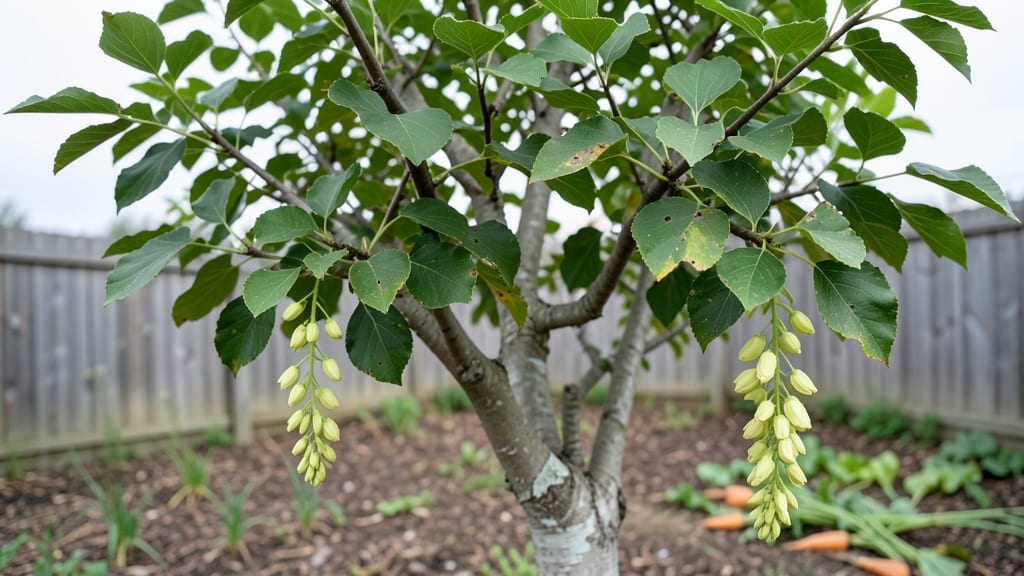
Growing a fragrant lime blossom flower 🌸 from seed unlocks a garden treasure that doubles as a kitchen star.
Imagine waking up to the intoxicating citrus scent of lime blossoms in your garden—this fast-growing plant isn’t just a showstopper, but a culinary and aromatic treasure. Whether you're a novice gardener or a seasoned plant enthusiast, growing lime blossoms from seed is easier than you think.
With just 6+ hours of sun daily and well-draining soil, these delicate white blooms thrive in USDA Zone 6a and beyond. Plant them in March-April, and by May-June, you’ll be harvesting fragrant blossoms for teas, garnishes, or simply to enjoy their intoxicating aroma.
In this guide, I’ll walk you through every step—from seed starting to pruning tips that keep your lime blossom flower blooming year after year. Let’s get growing!
How to grow lime blossom flowers from seed: step-by-step guide
Growing lime blossom flowers from seed is a rewarding process that yields fragrant blooms and potential fruit. These delicate white flowers, with their intoxicating citrus scent, thrive when given the right conditions. The key to success lies in understanding their germination needs, soil requirements, and light exposure.
With patience and proper care, you'll soon have a thriving lime tree producing stunning blossoms.
Lime blossom seeds (Citrus aurantifolia) are notoriously slow to germinate, often taking 30-90 days to sprout. This is why many gardeners use a warmth and humidity trick to speed up the process.
Unlike many seeds, lime blossom seeds require a stratification-like process to break their dormancy. Let’s dive into the step-by-step process to ensure your seeds germinate and grow into healthy seedlings.
Extract seeds from a ripe lime fruit. Rinse them thoroughly to remove all fruit pulp, then dry them on a paper towel for 2-3 days. This prevents mold growth during storage.
Place seeds in a bowl of lukewarm water for 24 hours. This softens the seed coat and kickstarts the germination process. Drain and prepare for planting.
Fill small pots or seed trays with a well-draining seedling mix (50% perlite, 50% peat moss). This prevents root rot while providing moisture retention.
Press each seed 1/4 inch deep into the soil, spacing them 2 inches apart. Gently water the soil to settle it without displacing seeds.
Cover the tray with a plastic wrap or humidity dome to retain moisture. Place it in a warm location (75-85°F), like on top of a fridge or near a heat mat.
Check seeds daily for moisture and remove the cover once sprouts appear (3-4 weeks). Keep soil consistently moist but not soggy.
Move seedlings to a south-facing window or under grow lights (12-14 hours/day). Avoid direct sun to prevent leaf scorch.
Use a diluted fish emulsion (5-10-5) to provide nutrients. Over-fertilizing can harm young seedlings, so keep it light.
Before transplanting, gradually expose seedlings to outdoor conditions over 7-10 days. Start with 1 hour/day and increase daily.
Choose a well-draining spot with 6+ hours of sun. Dig a hole twice as wide as the root ball and amend soil with compost.
One common mistake is overwatering lime blossom seedlings, which can lead to root rot. Always ensure the soil is moist but not waterlogged. Another challenge is the slow germination—patience is key! If you notice mold or fungus, reduce humidity and improve airflow immediately.
For faster growth, consider using a seedling heat mat during germination. This maintains consistent warmth, which is critical for breaking dormancy. Once your seedlings reach 6 inches tall, they’re ready to be transplanted outdoors after the last frost date in your area.
Remember, lime blossom flowers are tropical plants and thrive in warm climates (USDA Zones 9-11). If you live in a cooler zone, grow them in containers and bring them indoors during winter.
With the right care, your lime blossom tree will reward you with fragrant blooms and potentially delicious fruit!
🌱
Lime blossom flower care guide: watering, pruning, and pollination secrets
Your lime blossom flowers thrive with the right care, especially when it comes to watering and pruning. These fragrant blooms need consistent moisture but hate soggy roots, while strategic pruning can boost fragrance and extend your blooming season.
Let’s dive into the secrets to keep your citrus-scented garden blooming beautifully all year.
First, let’s tackle watering schedules—this is critical for healthy growth. Lime blossoms prefer moderate moisture, meaning you should water deeply every 3-5 days during spring and summer. In fall and winter, reduce watering to bi-weekly or monthly since the plant’s needs slow down.
Always water in the morning to prevent fungal issues and ensure the roots absorb moisture efficiently.
🌱
Watering Lime Blossom Flowers
✅ Pros
- Encourages vigorous growth and abundant blooms
- Prevents drooping leaves and blossom drop
- Morning watering reduces fungal risks like powdery mildew
❌ Cons
- Overwatering causes root rot and yellowing leaves
- Night watering attracts pests like aphids and mites
- Inconsistent watering leads to sparse blooms and weak stems
Next, let’s talk pruning techniques to maximize fragrance and shape. Prune your lime blossom tree in late winter or early spring before new growth starts. Remove any dead, diseased, or crossing branches first, then thin out crowded areas to improve airflow.
For a bushier, more fragrant plant, trim back the tips of branches by one-third—this encourages lateral growth and more blossoms.
To extend the blooming season, focus on natural pollination methods. Lime blossoms are self-pollinating, but you can boost their efforts by gently shaking the branches during early morning when bees are most active.
If you’re growing indoors or in a greenhouse, hand-pollinate using a small paintbrush to transfer pollen from one flower to another. This ensures better fruit set if you’re growing for limes, or simply more blooms for fragrance.
Troubleshooting common issues like yellowing leaves or sparse flowers starts with checking your care routine. Yellow leaves often signal overwatering or nutrient deficiency, so adjust your watering schedule and add a balanced fertilizer like 10-10-10 in early spring.
For sparse blooms, ensure your plant gets full sun and prune aggressively in the next growth cycle to stimulate new growth.
With these watering, pruning, and pollination secrets, your lime blossom flowers will reward you with a fragrant garden that’s the talk of the neighborhood. Happy gardening! 🌸