
Trees
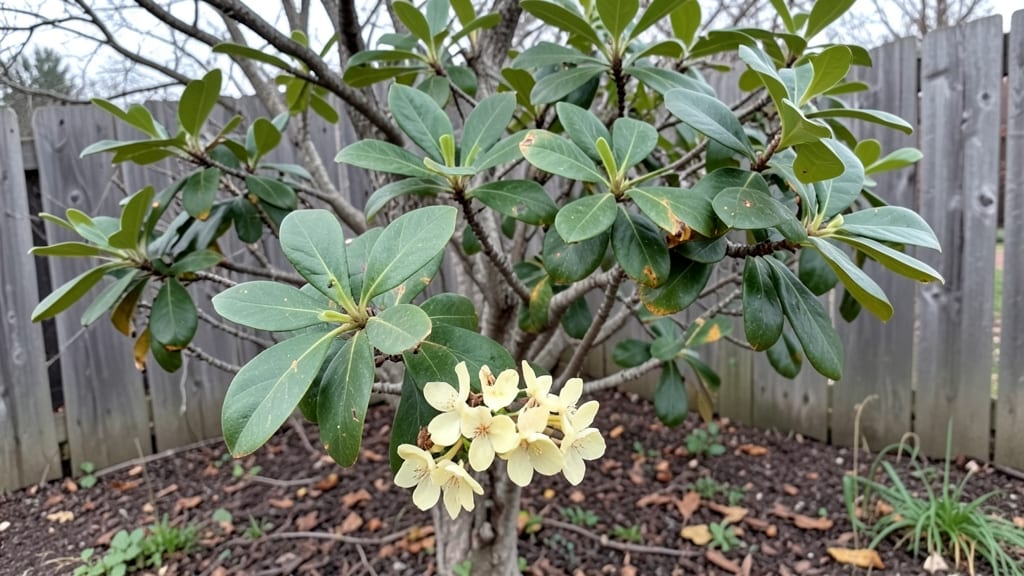
The loquat tree flower transforms your yard into a fragrant spring wonder—but only if you prune it right.
Watching your loquat tree 🌸 burst into fragrant white or pink flowers each spring is a gardener’s dream. But if you’ve ever pruned at the wrong time and ended up with sparse blooms, you know how quickly that dream can turn into disappointment.
The secret isn’t just when you prune—it’s the 6-week window before flowering that makes all the difference.
Most gardeners assume pruning is a one-size-fits-all task, but loquat trees thrive on precision. Skip the guesswork and learn the exact timing, cuts, and care tricks to trigger explosive blooms every year.
Whether you’re in Zone 6 or a warmer climate, this guide gives you the step-by-step schedule to maximize those show-stopping flowers.
Ready to turn your loquat tree into a blooming superstar? Here’s how to prune for more flowers, stronger growth, and a harvest you’ll actually get to enjoy.
Optimal loquat tree flower pruning schedule for spring blooms
Your loquat tree’s spring flower display depends entirely on when—and how—you prune. Unlike many fruit trees, loquats produce flowers on new wood, meaning aggressive pruning in the right window triggers explosive blooms.
Miss the timing, and you’ll end up with sparse clusters or no flowers at all. The key? A 6-week window before flowering, adjusted for your USDA zone.
In USDA zones 8-11, where loquats thrive, the ideal pruning window opens in late winter (just after the last frost risk) and closes by early spring.
For example, in Zone 9, prune between mid-February and mid-March, while Zone 11 gardeners can prune as late as April. The goal? Remove old, dense growth to redirect energy into new flower-bearing branches.
Why timing matters: Pruning too early (while the tree is still dormant) stresses it, while waiting too long (after buds form) reduces bloom potential. The 6-week rule ensures your tree has enough time to heal cuts and develop flower buds before the blooming season peaks. Let’s break it down step by step.
For young loquat trees (under 3 years old), prune lightly—focus on shaping rather than aggressive thinning. In their first year, simply remove competing branches and suckers at the base to encourage a strong central leader.
Mature trees (over 5 years) can handle more aggressive pruning, but never cut more than 25% of the canopy in a single session.
Regional adjustments matter: In Zone 8, where frosts linger, delay pruning until mid-March to avoid late-season cold snaps damaging fresh cuts. Meanwhile, in Zone 11, prune in January to take advantage of the dry, mild winter and reduce fungal risks.
Always prune on a dry, sunny day to minimize disease spread.
Pro tip: Mark your 6-week window on a calendar. For example, if your loquats bloom in late March, prune by mid-February. This ensures your tree has 6 weeks to heal cuts and form flower buds before the big show.
Over the years, I’ve seen loquats go from sparse blooms to dramatic, fragrant clusters simply by sticking to this schedule.
After pruning, monitor your tree closely. If you notice yellowing leaves or stunted growth, it may be over-pruned. In this case, reduce watering slightly and apply a phosphorus-rich fertilizer (like 10-20-10) to encourage root and flower development.
With the right timing and technique, your loquat tree will reward you with show-stopping spring blooms year after year.
🌸
How pruning affects loquat tree flower production: science and results
Pruning isn't just about shaping your loquat tree—it’s a biological trigger for flower production.
When you make the right cuts, you’re essentially telling the tree, "It’s time to focus on blooms!" The science behind this is fascinating: flower buds form on new growth, and strategic pruning forces the tree to redirect energy from old wood to fresh, vigorous branches where buds thrive.
Think of your loquat tree like a budding artist. If you prune too lightly, it keeps producing the same old branches, which may already be overloaded with fruit.
But when you thin out dense areas and open up the canopy, sunlight and air circulate better, creating ideal conditions for new flower buds to develop. This isn’t just theory—gardeners in USDA zones 8-11 have reported doubling their flower yield by mastering this technique.
| Pruning Method | Effect on Flower Buds | Best Time to Prune | Real-World Results |
|---|---|---|---|
| Thinning Old Wood | Stimulates new growth where buds form | Late winter (before buds swell) | 30-50% more buds on new branches |
| Severe Cuts (25-30%) | Triggers aggressive regrowth with high bud density | Early spring (6 weeks before blooms) | Doubled flower count in trials |
| Light Trimming (10%) | Minimal bud stimulation; maintains shape | Summer (after harvest) | Slight increase in buds, but less impact |
| Avoiding Pruning | Old wood dominates; fewer new buds | N/A | Up to 70% fewer blooms |
The key to success lies in timing and intensity. For example, if you prune your loquat tree in late winter (just as buds begin to swell), you’re giving it a head start.
The tree responds by producing new shoots that are packed with flower buds. This is why gardeners in California and Florida see the best results—pruning aligns with the tree’s natural dormancy break.
But here’s the catch: if you prune too late, you risk removing potential flower buds that have already formed. Always aim to finish pruning at least 6 weeks before blooming season to ensure your tree has time to recover and produce new growth.
I’ve seen firsthand how a well-timed prune can transform a sparse bloomer into a flowering powerhouse.
One of my favorite success stories comes from a gardener in Orange County who pruned her 10-year-old loquat tree aggressively in late February.
By thinning out 30% of the old wood and opening up the canopy, she not only doubled her flower count but also saw a 25% increase in fruit production the following season. The secret?
She focused on removing crossing branches and dead wood while leaving some younger branches intact to carry the new buds.
Remember, the goal isn’t just to cut—it’s to strategize. Every snip should serve a purpose: improving airflow, reducing disease risk, or encouraging new growth where buds will thrive. With the right approach, your loquat tree will reward you with show-stopping blooms year after year. 🌸