
Flowers
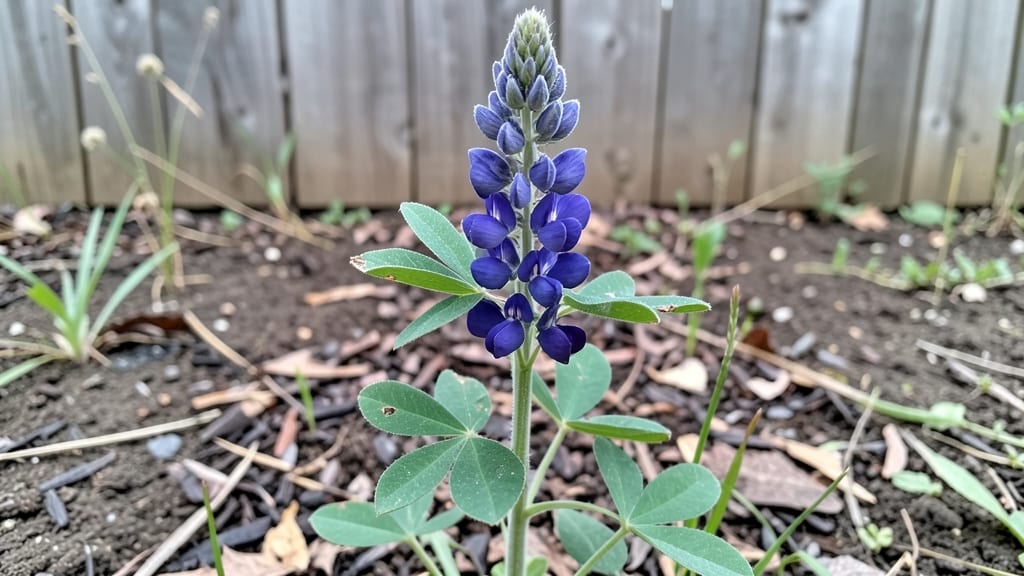
Capturing lupin pictures of these flowers in their full, swirling glory can turn your garden shots into breathtaking art—but most of us still end up with blurry spikes and hidden details.
Those towering 6-foot blooms with their intricate petals demand patience and the right technique. A single wrong angle or lighting choice can turn a stunning lupin into just another garden photo.
In this guide, I’ll walk you through the best times to snap lupin pictures, the angles that make their height and texture pop, and how to pair them with backgrounds that let them shine.
Whether you’re a beginner with a smartphone or a seasoned photographer, these tips will help you capture lupins in a way that makes every petal and spike stand out.
Best times and angles for photographing lupin flowers in full bloom
Lupins are nature's masterpiece—towering spikes of swirling petals that seem to dance in the sunlight. To capture their ethereal beauty, you need to understand how light and angles transform these flowers from ordinary to extraordinary.
The right timing and perspective can make your lupin pictures flower into breathtaking works of art.
Photographing lupins isn't just about pointing your camera—it's about strategic planning. The golden hours of morning and late afternoon create soft, flattering light that enhances their vibrant colors and intricate patterns. Meanwhile, the height and structure of lupins demand creative angles to showcase their dramatic forms.
🌅 Golden Hours
Shoot during morning (6-9 AM) or late afternoon (4-7 PM) for soft, diffused light that enhances petal details and colors.
📏 Macro Angles
Use a macro lens (100mm+) to capture intricate petal textures and swirling patterns up close.
🌿 Wide Shots
Step back for landscape shots to emphasize lupins' dramatic height (4-6 ft) against garden backdrops.
☀️ Avoid Midday Sun
Harsh midday sunlight (10 AM-3 PM) creates unflattering shadows and overexposed petals.
🌈 Side Lighting
Position lupins so sunlight hits them from the side to highlight petal depth and texture.
When photographing lupins, I always prioritize early morning sessions because the dew-covered petals add a magical glow. The soft light during these hours creates gentle shadows that accentuate the three-dimensional swirls of their blooms.
If you're shooting in the afternoon, try to position yourself so the light hits the lupins at a low angle—this creates long shadows that add drama.
For macro photography, get up close to reveal the intricate patterns on lupin petals. A 100mm macro lens works wonders for isolating individual flowers, but even a 50mm prime lens can deliver stunning results if you focus carefully.
Don't forget to use a shallow depth of field (f/2.8 or lower) to blur the background and make the lupins pop.
If you're photographing lupins in a garden setting, consider using a wide-angle lens (16-35mm) to capture their full height. This works especially well when lupins are planted against contrasting foliage or textured backdrops like gravel paths or wooden fences.
The height contrast creates a striking visual effect that highlights their grandeur.
One of my favorite techniques is shooting lupins with backlighting. Position the sun behind the flowers so light passes through their semi-transparent petals, creating a glowing halo effect.
This works best in the golden hour and adds an ethereal quality to your images. Just be sure to use spot metering to avoid overexposing the petals.
For black-and-white photography, lupins offer incredible textural contrast. Their spiral patterns and leaf structures create stunning monochrome images. Shoot in RAW format and adjust the
Photography tips for showcasing lupin flowers against different backgrounds
The right background can transform your lupin flower photos from ordinary to extraordinary. Natural settings like meadows or water features add depth, while artificial setups like blurred bokeh draw focus to the swirling petals. Let’s explore how to make your lupin blooms stand out in every shot.
Start by considering the color contrast between your lupin flowers and their backdrop. Blue lupins pop against green foliage, while pink or white varieties shine with dark greens or neutral tones.
Experiment with natural textures—think rough bark, smooth stones, or wild grass—to add visual interest.
| Background Type | Best For | Photography Tips | Example Scenes |
|---|---|---|---|
| Natural Meadows | Wild, organic look | Use shallow depth of field; shoot during golden hour | Lupins in wildflower meadows |
| Water Features | Reflections, serenity | Shoot near calm water; use a polarizing filter | Lupins beside ponds or fountains |
| Blurred Bokeh | Isolated focus | Wide aperture (f/1.8-f/2.8); position lupins near edges | Close-up lupin blooms with soft backgrounds |
| Contrasting Textures | Artistic depth | Pair with rough bark or smooth stones; use natural light | Lupins against wooden fences or mossy rocks |
For artificial setups, try creating a bokeh effect by placing your lupin flowers near a soft, out-of-focus background. Use a wide aperture (like f/2.8) to blur the background while keeping the swirling petals sharp. This technique works especially well for macro shots of individual blooms.
Don’t overlook seasonal elements like falling leaves or morning dew. These natural details add a storytelling element to your lupin pictures. Shoot during early morning or late afternoon to capture the soft, diffused light that enhances colors and textures.
If you’re photographing lupins in containers, use contrasting pots like terracotta or black ceramic to make the bright blooms pop. Add greenery or small rocks around the base to frame the flower spikes and create a balanced composition.
Experiment with different angles, like shooting from below to emphasize the height and drama of lupin spikes. A low angle also adds a sense of grandeur to your flower photography. Pair your lupin pictures with complementary companion plants like lavender or roses for a cohesive garden look.