
Trees
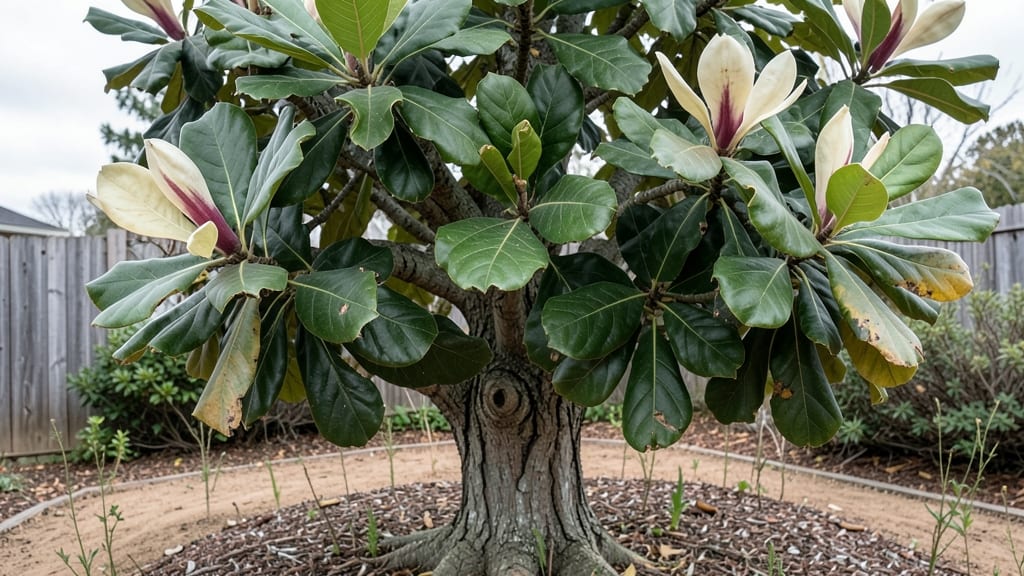
Growing a magnolia macrophylla flower means welcoming a tree that turns heads with blooms the size of dinner plates 🌸 — but only if you nail the care.
Picture this: a towering giant with glossy leaves and intoxicating fragrance, its massive white or pink flowers stealing the show in spring. Yet, too many gardeners rush in and end up with a struggling sapling.
The key isn’t just patience—it’s knowing when to plant, how to protect its roots, and where to place it for that perfect balance of sun and shade.
This rare beauty thrives in USDA Zones 6a-9b, but even there, its slow growth means every decision counts. From acidic soil prep to strategic pruning, I’ll walk you through the exact steps to give your Bigleaf Magnolia the start it deserves—so you can enjoy its showstopping display for decades.
Ready to transform your yard into a fragrant sanctuary? Let’s dive into the care secrets that make all the difference.
Magnolia macrophylla flower: unique characteristics and ideal growing conditions
The Magnolia macrophylla, or Bigleaf Magnolia, is a true showstopper with 12-inch-wide creamy-white blooms that resemble giant tulips. These fragrant flowers appear in late spring, but the tree’s glossy evergreen leaves provide year-round interest. Its slow but steady growth makes it a prized specimen for bold garden statements.
Native to the southeastern U.S., this tree thrives in USDA Zones 7-9 but can adapt to zones 6-10 with proper care. The key to success lies in mimicking its natural habitat—acidic, well-draining soil and partial shade with morning sunlight. Avoid full sun in hot climates to prevent leaf scorch.
Here’s what sets Magnolia macrophylla apart from other magnolias: its large, leathery leaves (up to 10 inches long) and slow but sturdy growth (40-80 feet tall at maturity). Unlike faster-growing varieties, this tree builds strength over decades, making it a long-term investment for your landscape.
This summary table breaks down the critical growing parameters and common mistakes to avoid for a thriving Bigleaf Magnolia:
| Growing Parameter | Ideal Specification | Common Mistake |
|---|---|---|
| USDA Zone | 7-9 (adaptable to 6-10 with protection) | Planting in zones colder than 6 without winter wrap |
| Soil pH | Acidic (4.5-6.0) | Using alkaline soil without amendments |
| Sunlight | Partial shade (morning sun) | Exposing to hot afternoon sun in dry climates |
| Water Needs | Deep weekly soaks (15-20 gallons) | Overwatering or shallow watering |
| Mature Height | 40-80 feet (plant 20+ ft from structures) | Planting too close to buildings |
| Fertilizer | Balanced 10-10-10 (spring only) | Fertilizing in summer or fall |
The acidic soil requirement is non-negotiable—test your soil’s pH before planting. If your soil is alkaline, amend it with sulfur or peat moss to create the ideal 4.5-6.0 pH range. I’ve found that mixing in pine bark fines also improves drainage while maintaining acidity.
When selecting a planting site, prioritize morning sunlight and afternoon shade, especially in zones 8-9 where temperatures can exceed 90°F. In cooler zones (6-7), this tree tolerates more sun but still benefits from afternoon shade during heatwaves.
Always plant in well-draining soil—waterlogged roots are the #1 killer of young magnolias.
One of my favorite tricks for establishing Magnolia macrophylla is to plant it with a 3-inch layer of mulch around the base. Use pine straw or wood chips to retain moisture and regulate soil temperature.
Just keep the mulch 3 inches away from the trunk to prevent rot. This simple step can double your tree’s survival rate in the first critical year.
While this magnolia is drought-tolerant once established, young trees need consistent moisture during their first 3 years. I recommend watering deeply twice weekly during dry spells, ensuring the soil stays 6 inches deep moist.
Avoid overhead watering to prevent fungal diseases—always water at the base of the tree.
Finally, be patient! Magnolia macrophylla grows slowly but lives for centuries with proper care. The first blooms may take 5-10 years, but each 12-inch flower is worth the wait. With the right conditions, your tree will reward you with decades of dramatic spring displays and lush foliage year-round.
Step-by-step planting and pruning guide for healthy giant Magnolia growth
Planting a Magnolia macrophylla sapling is like inviting a century-old giant into your garden—it requires patience and precision. Start by choosing a well-draining, acidic site with partial shade protection from afternoon sun.
These trees despise soggy roots, so amending clay soil with organic compost or pine bark creates the perfect foundation for their deep taproots.
Timing is everything: transplant bare-root saplings in early spring (March–April) or fall (September–November) when temperatures are mild. Dig a hole twice as wide as the root ball but only as deep—planting too deeply suffocates roots.
Gently loosen the roots before placing the sapling in the hole, then backfill with native soil mixed with compost to encourage microbial activity.
- 💧 Water at the base—never overhead—to prevent fungal spores from splashing onto leaves.
- 🪴 Mulch with 3–4 inches of wood chips (not fresh mulch) to retain moisture and block weeds.
- ✂️ Prune only in late winter (February) to avoid stressing the tree during active growth.
- 🌡️ Monitor soil temperature—keep roots above 50°F to prevent root rot in cold climates.
- 🌿 Space saplings 20–30 feet apart—these trees grow 40–80 feet tall and need room to thrive.
Pruning Magnolia macrophylla is about shaping, not shearing. Focus on removing dead or crossing branches in late winter (February) before buds swell. Use clean, sharp pruners to make cuts just outside the branch collar—never leave stubs.
For structural support, limit pruning to no more than 25% of the canopy in any single year to avoid shocking the tree.
Seasonal care keeps your magnolia thriving: Deep-water young trees weekly during the first year, then taper to bi-weekly watering once established. In spring and early summer, apply a balanced fertilizer (10-10-10) lightly to encourage foliage growth.
Avoid fertilizing in late summer or fall, as new growth won’t harden off before winter.
Watch for yellowing leaves or stunted growth, which often signal nutrient deficiencies or compacted soil. Aerate the root zone annually with a manual soil aerator or gypsum amendments if your soil is heavy. With proper care, your Magnolia macrophylla will reward you with plate-sized blooms for decades.
Remember, these trees are slow growers—patience is key. A well-placed magnolia becomes the centerpiece of any landscape, its fragrant flowers and glossy leaves creating a focal point that demands admiration. 🌸