
Trees
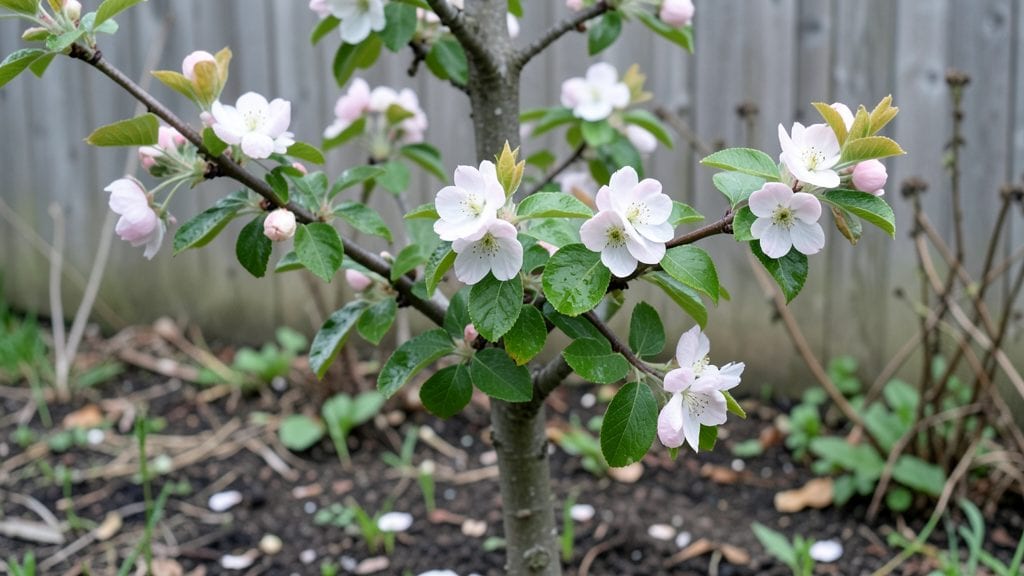
The Malus flowering crabapple 🍎 delivers a knockout show from spring to winter, with fragrant blooms, glossy foliage, and even colorful fruit that birds adore.
Imagine a tree that bursts into vibrant spring blooms, provides lush summer shade, offers autumn foliage in fiery hues, and even delivers winter interest with striking bark—all while attracting pollinators and resisting pests.
That’s exactly what the Malus flowering crabapple brings to your yard, making it the ultimate low-maintenance star for any landscape.
If you’ve ever struggled to find a tree that stays beautiful year-round without constant pruning or chemical treatments, this is your answer. It thrives in USDA Zone 6a and beyond, handles drought once established, and fits perfectly in small gardens or as a statement piece in larger yards.
In this guide, I’ll walk you through everything from selecting the best variety for your space to planting, pruning, and keeping it healthy—so you can enjoy its stunning display for decades with minimal effort.
Why Malus flowering crabapple trees are perfect for year-round landscaping
If you're searching for a low-maintenance tree that delivers four seasons of beauty, the Malus flowering crabapple should top your list.
Unlike many ornamental trees that shine in just one season, this versatile plant transforms your landscape with spring blooms, summer foliage, autumn colors, and even winter structure. Its adaptability makes it ideal for urban gardens, suburban yards, and even small spaces where other trees might struggle.
The Malus flowering crabapple isn’t just about aesthetics—it’s also a pollinator magnet and disease-resistant powerhouse. While traditional trees like maples or oaks require constant pruning and struggle with pests, crabapples thrive with minimal care.
Their compact size (typically 15-25 feet) and adaptable nature make them perfect for modern landscapes where space is limited but beauty is non-negotiable.
The spring blooms of a Malus flowering crabapple are its most dramatic feature, with clusters of rosy-pink, white, or deep red flowers that appear before the leaves. These blooms aren’t just beautiful—they’re a pollinator feast, drawing bees, butterflies, and hummingbirds to your garden.
Varieties like 'Royalty' produce double blooms, while 'Adirondack' offers single, abundant flowers that create a stunning canopy effect.
Once the flowers fade, the tree transitions into summer foliage with glossy green leaves that provide light shade. Unlike some trees that drop leaves prematurely, crabapples maintain their lush canopy until autumn.
This makes them ideal for urban courtyards or small backyards where space is limited but you still want seasonal interest.
Autumn is when Malus flowering crabapples truly shine with vibrant fall colors. While some varieties like 'Dolgo' turn deep purple-red, others like 'Centennial' display bright orange hues.
These colors contrast beautifully against evergreen shrubs or golden perennials, extending your garden’s visual appeal well into the cooler months.
Even in winter, when many trees look bare, Malus flowering crabapples offer textural interest. Their exfoliating bark and intricate branching patterns create a striking silhouette against snow or evergreens. This winter structure ensures your landscape remains dynamic even when other plants have gone dormant.
Beyond their visual appeal, Malus flowering crabapples are ecologically beneficial. They provide food and shelter for birds and insects, making them a low-effort way to support biodiversity.
Their disease resistance also means fewer pesticides and fungicides are needed compared to fruit-bearing apple trees, which are prone to fire blight and apple scab.
For urban gardeners, the compact size of most crabapple varieties is a game-changer. Unlike towering oaks or maples, they fit neatly into small yards, patio gardens, or even large containers.
Their adaptability to different soil types (as long as it’s well-draining) and tolerance for city pollution make them one of the best ornamental trees for urban landscapes.
If you're ready to elevate your garden with a year-round star, the Malus flowering crabapple delivers beauty, low maintenance, and ecological benefits all in one package. Whether you're a seasoned gardener or a
Top 5 Malus flowering crabapple varieties for different garden needs
Choosing the right Malus flowering crabapple can transform your garden with seasonal color and low-maintenance beauty. Whether you need a compact tree for small yards or a tall specimen for statement-making, these five varieties stand out.
Each offers unique flower colors, fall foliage, and disease resistance to match your climate and space.
From the vibrant pink blooms of 'Royalty' to the disease-resistant 'Sentinel', we’ll compare their key traits—like mature height, hardiness zones, and pollinator appeal—to help you pick the perfect fit. Whether you prioritize abundant flowers, autumn color, or small-space adaptability, there’s a crabapple for you.
'Royalty' is a showstopper with double pink blooms and deep red fall foliage. It thrives in USDA zones 4-8 and reaches 20-25 feet tall, making it ideal for large gardens or as a street tree.
Its high disease resistance and abundant flowers attract pollinators like bees and butterflies, adding ecological value.
For small spaces, 'Adirondack' is a compact powerhouse with white and pink flowers and orange-red fall color. This dwarf variety stays under 12 feet tall and excels in zones 4-8. Its low-maintenance nature and resistance to pests make it perfect for urban landscapes or patio plantings.
'Dolgo' is a classic choice with pink flowers and bright red fruit that persists into winter. Growing 15-20 feet tall, it’s great for mixed borders or backyard focal points.
This variety handles zones 4-8 well and offers moderate disease resistance, though it may need occasional pruning to remove spent blooms.
'Sentinel' stands out for its exceptional disease resistance, making it a top pick for tough climates. With white flowers and red fall foliage, it grows 15-20 feet tall and thrives in zones 4-8.
Its vigorous growth and low-maintenance needs make it ideal for eco-friendly gardens or pollinator-friendly landscapes.
Lastly, 'Centennial' is a modern hybrid with double pink blooms and deep purple fall leaves. Reaching 20-25 feet, it’s perfect for statement planting in zones 5-8. Its high disease resistance and long bloom season ensure year-round interest, from spring flowers to winter bark texture.
🌳 Whether you prioritize flower abundance, fall color, or small-space adaptability, these five Malus varieties deliver year-round beauty with minimal fuss. Choose based on your garden size, climate, and design goals!