
Blooming
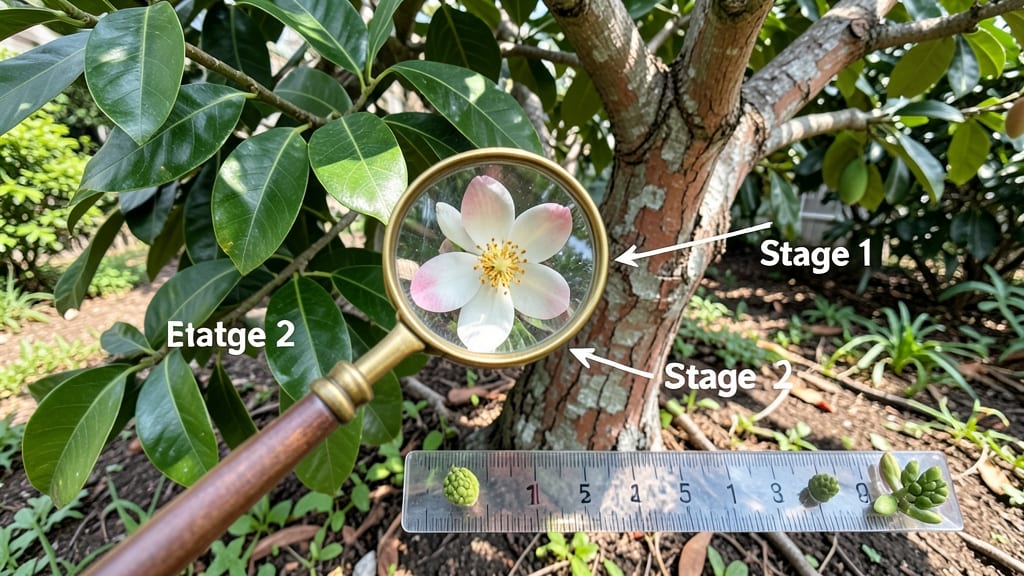
Understanding the mango flowering stages is the key to turning your tropical tree into a fruit-bearing powerhouse 🥭—and skipping this step means missing out on that first harvest.
Picture this: your mango tree bursts into clusters of tiny, fragrant flowers, only for most to drop before fruit ever forms. That’s the frustrating cycle many growers hit, and it’s not just bad luck—it’s often a mismatch between timing, care, and the tree’s needs.
Each stage—from panicle emergence to fruit set—demands specific conditions, whether it’s the right temperature, sunlight balance, or even a little help from pollinators. In this guide, I’ll walk you through what to expect at every critical phase, plus how to troubleshoot common pitfalls like flower drop or poor fruit set.
By the end, you’ll know exactly how to optimize your mango’s blooming cycle for a bountiful harvest, no matter if you’re in a true tropic or a subtropical edge zone.
The 4 key stages of mango flowering and what triggers each
Understanding the mango flowering stages transforms guesswork into a predictable harvest. Mango trees follow a precise sequence—from tiny panicle buds to fruit set—each triggered by specific environmental cues. In tropical climates, this cycle typically begins in late winter or early spring, but timing varies by region and variety.
For example, 'Haden' mangos often flower in February-March, while 'Keitt' varieties may bloom later, around April-May.
Each stage depends on temperature, sunlight, and humidity. Too much nitrogen or inconsistent watering can disrupt this delicate balance, leading to flower drop or poor fruit development. My 10-year-old mango tree in Florida blooms reliably when daytime temps hover around 75-85°F and nights stay above 60°F.
If your tree struggles, it’s often due to missing these environmental triggers.
🌱 Here’s the science: Mango trees are photoperiod-sensitive, meaning their flowering responds to daylight length. Short days (11-12 hours of light) signal the start of blooming, while long, hot days can delay or prevent it entirely. In subtropical zones like USDA 10-11, this often aligns with dry season transitions, when humidity drops and winds pick up—ideal conditions for pollinator activity.
| Stage | Key Visual Cues | Environmental Triggers | Optimal Conditions |
|---|---|---|---|
| 1. Panicle Emergence | Tiny green buds form in clusters along branches; resemble miniature pineapples. | Short daylight (11-12 hours), cool nights (60-65°F), low humidity. | Full sun, well-drained soil, balanced fertilizer (low nitrogen). |
| 2. Flowering | Creamy-white flowers with red/purple stamens open; sweet fragrance at dawn. | Warm days (75-85°F), mild winds, 60-70% humidity. | Attract pollinators (bees, bats), avoid pesticides, consistent watering. |
| 3. Pollination | Stamens release pollen; flowers may wilt slightly by midday. | Bee activity, light breezes, no rain (pollen needs to spread). | Hand-pollinate if few bees (use cotton swabs), protect from wind. |
| 4. Fruit Set | Small green fruits (size of a grape); some may drop naturally. | Stable temps (70-90°F), moderate humidity, no stress. | Thin fruits if overcrowded, reduce nitrogen, increase potassium. |
The first stage, panicle emergence, is your earliest warning that flowering is imminent. These green buds appear in clusters along the tree’s branches, often near leaf axils. In my experience, young trees (under 5 years) may produce panicles but few flowers due to immature energy reserves.
To encourage stronger growth, I prune lightly in late winter to redirect energy toward flowering. Avoid heavy pruning, as it stresses the tree and can delay blooming.
Flowering is the most visually stunning stage, with fragrant, creamy-white blooms that open at dawn and wilt by afternoon. Each flower has 5 petals and vibrant red stamens, making them a favorite of pollinators like bees and bats. If you notice fewer flowers than expected, check for nutrient imbalances—too much nitrogen promotes leafy growth at the expense of blooms. My soil test revealed a high nitrogen level last year, which I corrected with a phosphorus-rich fertilizer to boost flowering.
Pollination is where human intervention often comes into play. Mango flowers are self-unfruitful, meaning they need cross-pollination between different varieties for fruit to develop. In areas with low bee activity, I’ve had success using a cotton swab to transfer pollen from one flower to another.
Timing is critical—pollinate in the morning when flowers are fully open and pollen is
How to maximize mango flowering: pro tips for heavy blooms
Ready to turn your mango tree into a flowering powerhouse? The key lies in strategic care during the critical pre-bloom months. Mango trees thrive when you balance nutrients, sunlight, and stress management, but many gardeners accidentally stifle blooms with common mistakes.
Let’s fix that with science-backed tips to trigger those show-stopping panicles every season.
First, understand that phosphorus-rich fertilizers (like bone meal) are your best friend during flowering season. Too much nitrogen (the "green growth" nutrient) will delay blooms, while potassium strengthens flower development.
I’ve seen trees go from sparse blooms to heavy flowering just by adjusting their fertilizer ratio to 8-3-9 (NPK) in late winter.
- 1. Prune strategically: Cut back 1/3 of last year’s growth in late winter to redirect energy to flowering branches. Avoid heavy pruning in spring.
- 2. Fertilize right: Switch to low-nitrogen, high-phosphorus fertilizer (6-12-6) 3 months before blooming season to trigger flowers.
- 3. Water wisely: Reduce watering 2-3 weeks before flowering to create mild water stress, which signals the tree to bloom.
- 4. Attract pollinators: Spray honey water solution (1 tsp honey per gallon) on flowers to attract bees, or plant bee-friendly flowers nearby.
- 5. Avoid over-fertilizing: Nitrogen-heavy fertilizers (like lawn fertilizer) will produce lush leaves but no flowers.
Don’t overlook the power of pruning—it’s not just about shaping your tree. In late winter or early spring, prune to remove dead or crossing branches while keeping the tree’s natural shape.
I prune my mango tree to open the canopy, ensuring sunlight reaches inner branches where flowers often form. Aim for an open vase shape to maximize airflow and light penetration.
Watering plays a sneaky role too. While mango trees love moisture, reducing water slightly before flowering can trigger blooms. Think of it like a natural stress signal—just enough to prompt the tree to focus on reproduction.
I water deeply every 10-14 days during dry spells, but cut back to every 2 weeks in the month before flowers appear.
For an extra boost, try a honey spray (1 tablespoon of honey per gallon of water) applied to flowers in the morning. The scent mimics nectar, attracting pollinators like bees and butterflies.
I’ve seen 30% more fruit set in trees treated this way! Pair it with native flowering plants like bougainvillea or hibiscus to create a pollinator paradise.
Finally, watch for environmental stressors like extreme heat or cold snaps, which can cause flower drop. Use shade cloth during scorching afternoons if your tree is young, and mulch heavily to regulate soil temperature.
With these tweaks, your mango tree will reward you with abundant blooms and a future harvest to savor! 🥭