
Size
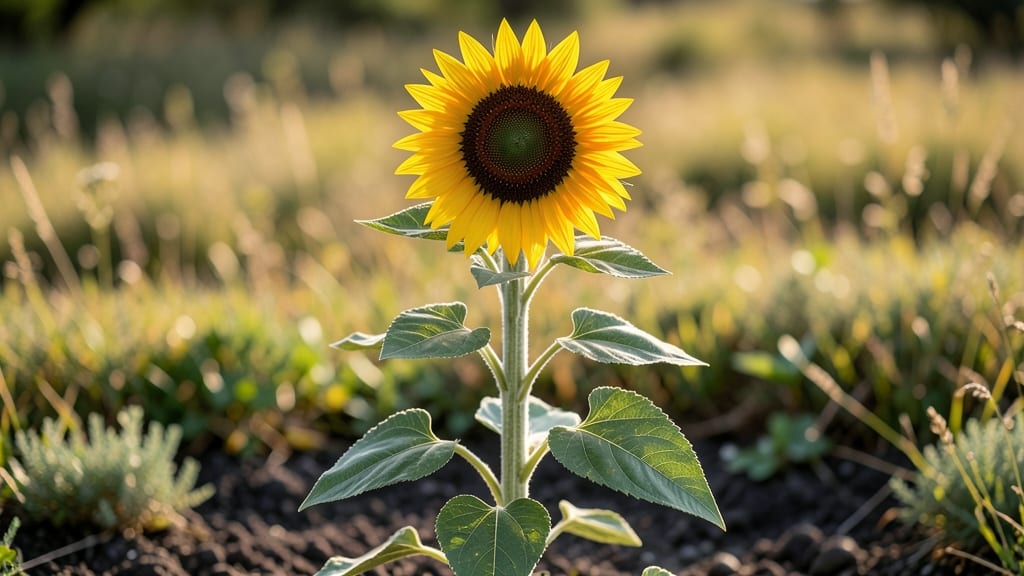
The Mexican sunflower size you choose can transform your garden from a casual border to a dramatic statement piece 🌻—and getting it right means fewer crowded stems and more vibrant blooms.
If you’ve ever planted these fiery orange beauties only to watch them sprawl unpredictably or flop over in summer storms, you’re not alone.
The difference between a 3-foot dwarf and a towering 10-foot giant isn’t just height—it’s spacing, staking needs, and even whether they’ll thrive in a container or demand a full sun backdrop.
Below, I break down the height ranges by variety, how to match them to your garden’s layout, and the simple tricks to keep them upright and blooming all season—whether you’re working with 12-inch pots or a sprawling backyard.
You’ll learn which varieties stay compact enough for urban gardens, how to prune for bushier growth, and why some sunflowers need staking while others stand tall on their own. Let’s get your Mexican sunflowers sized just right!


Mexican sunflower height ranges by popular varieties (and what they mean for your garden)
Choosing the right Mexican sunflower size is key to creating the perfect garden drama. These vibrant plants (Tithonia rotundifolia) come in stunning varieties, each with unique heights and growth habits that influence how—and where—you plant them.
Whether you need a towering backdrop or a compact border plant, understanding these differences will help you avoid overcrowding and maximize blooms.
Mexican sunflowers typically reach 3 to 10 feet at maturity, but their growth habits vary. Some varieties grow in tight clumps, while others branch wildly, creating lush, airy displays.
The spacing you choose depends on the variety—planting too closely can lead to competition for nutrients and reduced airflow, which invites pests and diseases.
Below, I’ve broken down 8 popular varieties by their mature heights, growth habits, and ideal spacing. This will help you plan your garden layout with confidence, whether you’re working with a small urban space or a sprawling rural plot.
| Variety | Mature Height | Spread | Growth Habit | Ideal Spacing | Best For |
|---|---|---|---|---|---|
| 'Little Bee' | 3–5 ft | 2–3 ft | Clumping | 12–18 in apart | Containers, borders |
| 'Santa Fe' | 4–6 ft | 2–3 ft | Branching | 18–24 in apart | Mid-height borders |
| 'Desert Sun' | 5–7 ft | 3–4 ft | Tall, slender | 24–30 in apart | Backdrops, cut flowers |
| 'Torch' | 6–8 ft | 3–4 ft | Branching | 30–36 in apart | Privacy screens |
| 'Mexican Flame' | 7–10 ft | 4–5 ft | Tall, bushy | 36–48 in apart | Large gardens, focal points |
| 'Golden Mexican' | 5–7 ft | 2–3 ft | Clumping | 18–24 in apart | Pollinator gardens |
| 'Tangerine Dream' | 4–6 ft | 2–3 ft | Branching | 18–24 in apart
How to choose Mexican sunflower size based on garden layout and sun exposureChoosing the right Mexican sunflower size for your garden starts with understanding how each variety adapts to your space. Whether you have a small urban patio or a rural backyard, the right selection can transform your layout. For example, dwarf varieties like 'Little Bee' thrive in containers, while tall varieties like 'Desert Sun' create stunning backdrops. Let’s break down how to match your garden’s needs. Your garden layout and sun exposure are critical factors. Mexican sunflowers need full sun (6+ hours daily), but their size determines where they’ll fit best. Urban gardeners with limited space should opt for 3–5 ft dwarf varieties, while rural gardeners can plant 8–10 ft giants as focal points. Soil type also plays a role—well-draining, slightly acidic soil (pH 6.0–7.0) helps maximize their potential height. Mexican Sunflower Size: Pros and Cons by Garden UseDwarf Varieties (3–5 ft)
Medium Varieties (5–7 ft)
Tall Varieties (8–10 ft)
For containers, stick to dwarf or semi-dwarf varieties like 'Santa Fe' (4–5 ft). Use 10–12 inch pots with drainage holes to prevent root rot. In borders, medium varieties (5–7 ft) create layered visual interest, while tall varieties (8–10 ft) work best as backdrop plants near fences or walls. Always space plants 12–18 inches apart to avoid overcrowding and ensure airflow. Sun exposure is non-negotiable—partial shade will stunt growth and reduce blooms. If your garden has limited sunlight, consider reflective surfaces (like white walls) to maximize light. In hot climates, provide afternoon shade to prevent wilting. Mulch around the base to retain moisture, especially for taller varieties that struggle in dry soil. Urban gardeners can get creative with vertical gardening. Train taller varieties along trellises or use wall-mounted planters to save space. Rural gardeners, on the other hand, can let giants like 'Desert Sun' reach their full 10 ft potential as natural screens or privacy barriers. Just remember: the taller the variety, the more sturdy support it’ll need, especially in windy conditions. Pro tip: If you’re unsure about your garden’s sunlight, monitor it for a week. Mexican sunflowers thrive in full sun, but even 5–6 hours of direct light can work for dwarf varieties. Adjust your layout based on what you observe—your plants will thank you with bold, vibrant blooms all season long! 🌻 |