
Flowers
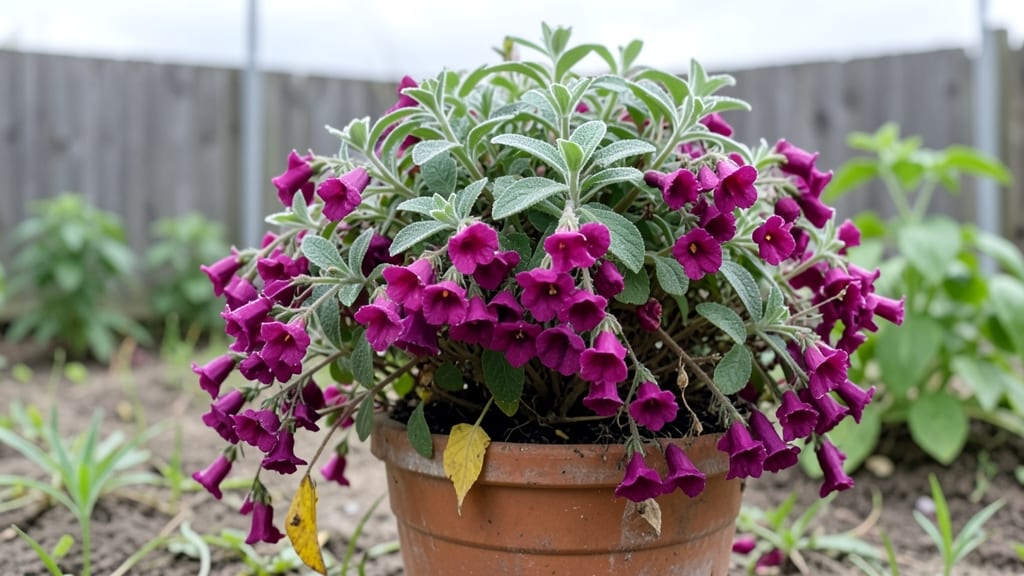
Growing Million Bell flowers 🌸 is your shortcut to a summer garden that looks like a postcard—just 60 days after planting.
Imagine a garden bursting with vibrant, cascading blooms in just 60 days—Million Bell flowers deliver exactly that, transforming any space into a lush, colorful paradise with minimal effort. Whether you're filling hanging baskets or brightening up borders, these fast-growing vines are the secret weapon for instant curb appeal.
But here's the catch: they need the right conditions to hit their full potential. Too much shade or inconsistent watering, and you'll end up with leggy stems and sparse blooms instead of the nonstop color you're dreaming of.
The good news? With a few simple tweaks—like the perfect planting window and a balanced feeding schedule—you can turn your garden into a blooming wonderland by July.
In this guide, I’ll walk you through everything from seed starting to pest control, so you can skip the trial-and-error and enjoy months of effortless beauty—starting with your first Million Bell flowers in just 60 days.
How to grow Million Bell flowers from seeds in 60 days
Growing Million Bell flowers (Calibrachoa) from seeds is one of the fastest ways to add vibrant color to your garden. These compact, trailing vines burst into bloom in just 60 days, making them perfect for hanging baskets, containers, or garden borders.
The secret to their rapid growth lies in proper seed starting, soil conditions, and consistent care—let’s break it down step by step.
Unlike many flowers that take months to mature, Million Bells thrive with the right conditions. They love warm soil, bright light, and balanced nutrients, which is why starting them indoors 4-6 weeks before your last frost gives them a head start.
Once planted outdoors, they’ll reward you with nonstop blooms from early summer until frost. Ready to get started? Let’s dive into the 60-day growth plan that ensures lush, flowering vines.
Step 1: Start Seeds Indoors (Weeks 1-4)
When: 4-6 weeks before last frost
What you’ll need: Seed trays, sterile seed-starting mix, plastic wrap, grow lights (or sunny window)
How to: Plant seeds 1/8 inch deep in moist soil, cover with plastic wrap to retain humidity, and place under grow lights (14-16 hours/day). Keep soil consistently moist (not soggy) and maintain 70-75°F soil temps for germination.
Step 2: Transplant Seedlings (Week 5)
When: After 4-6 true leaves appear
What you’ll need: 4-inch pots, well-draining potting mix, fertilizer (5-10-10)
How to: Gently transplant seedlings into individual pots, bury stems halfway to encourage root growth. Use a balanced fertilizer at half-strength to avoid burning tender roots. Harden off seedlings by placing them outdoors for 2-3 hours/day over 5-7 days.
Step 3: Prepare Outdoor Soil (Week 6)
When: 2 weeks before last frost
What you’ll need: Well-draining soil, compost, mulch, hanging baskets/containers (optional)
How to: Amend garden soil with compost or aged manure for fertility. Million Bells hate soggy roots, so ensure drainage holes in containers. For hanging baskets, mix in perlite or vermiculite to improve aeration. Plant after soil warms to 60°F+.
Step 4: Plant Outdoors (Week 7)
When: After last frost, when soil is 60°F+
What you’ll need: Gloves, trowel, mulch, watering can
How to: Space plants 6-8 inches apart in full sun. Water thoroughly after planting to settle soil. Apply 2 inches of mulch around bases to retain moisture and suppress weeds. Pinch back tips to encourage bushier growth.
Step 5: Watering & Fertilizing (Weeks 8-10)
Watering: Daily in summer, every 2-3 days in spring/fall. Water at soil level (not leaves) to prevent fungal diseases.
Fertilizing: Feed every 2-3 weeks with 5-10-10 fertilizer during blooming season. Use liquid feed for faster uptake.
Pro Tip: Deadhead spent blooms to encourage continuous flowering.
Step 6: Prune & Maintain (Weeks 11-12)
Pruning: Trim leggy stems to half their length to promote denser growth. Use clean, sharp shears to avoid damaging vines.
Pests: Watch for aphids or spider mites. Spray with neem oil if needed. Avoid chemical pesticides near blooms.
Harvest: Enjoy 60+ days of blooms! Cut back 1/3 of plant in late summer to rejuvenate growth.
One of the biggest mistakes gardeners make with Million Bell flowers is overwatering, which leads to root rot. These plants prefer consistently moist but well-drained soil, so always check the top inch before watering.
Another common issue is leggy growth due to insufficient light—ensure they get at least 6 hours of direct sun daily, or they’ll stretch toward the light and produce fewer blooms.
For maximum blooms, feed your plants with a balanced fertilizer every 2-3 weeks once they’re established. I’ve found that liquid fertilizers work best because they’re absorbed quickly, giving your vines the nutrients they need to produce nonstop flowers.
Pair this with regular deadheading (removing spent blooms), and you’ll have a continuous cascade of color all season long.
If you’re growing Million Bells in containers, choose hanging baskets or window boxes
Best Million Bell flower varieties for fast blooms and colorful displays
If you're dreaming of a vibrant, cascading garden in under 60 days, the right million bell flower variety makes all the difference. These fast-blooming beauties thrive in containers, hanging baskets, and garden beds, offering explosive color with minimal fuss.
I’ve grown three standout varieties—Scarlet O’Hara, Purple Haze, and White Cascade—each bringing unique charm to my summer displays. Let’s compare their bloom speed, color intensity, and care quirks so you can pick the perfect fit for your space.
Scarlet O’Hara steals the show with its bold red blooms that resemble tiny fireworks, while Purple Haze delivers a deep violet that contrasts beautifully with silver foliage. White Cascade, on the other hand, offers elegant white flowers that brighten shady spots. All three varieties share similar care needs but excel in different settings—whether you want dramatic height, soft cascades, or bold pops of color. Below, I’ve broken down their key traits to help you decide which million bell will transform your garden fastest.
For fastest blooms, White Cascade takes the crown, bursting into flowers in just 50-55 days—perfect if you’re racing to beat summer heat. However, if you crave dramatic color, Scarlet O’Hara delivers bold red blooms that last longer when deadheaded regularly.
I’ve found that Purple Haze thrives in containers and pairs beautifully with silver-leaved plants like lamb’s ear for a striking contrast. Pro tip: All three varieties love morning sun but appreciate afternoon shade in hot climates to prevent wilting.
When it comes to vine length, Scarlet O’Hara stretches to 18 inches, making it ideal for hanging baskets or trellises, while White Cascade stays shorter at 12 inches, perfect for window boxes or spilling over edges.
If you’re growing in containers, choose Purple Haze—its compact size and vibrant hue make it a showstopper. Remember, well-draining soil and consistent moisture are non-negotiable for all varieties. I use a 50/50 mix of potting soil and perlite to keep roots happy and blooms abundant.
One common mistake I see is overcrowding these delicate vines. Million bells need space to breathe, so prune leggy stems early to encourage bushier growth. Feed them with a balanced 10-10-10 fertilizer every 4-6 weeks during the growing season, and watch them explode with color.
For extended blooms, I pinch back spent flowers and trim overly long vines to redirect energy into new blossoms. This simple trick keeps my million bells flowering until early frost!
Ready to pick your favorite? Scarlet O’Hara for dramatic pops, Purple Haze for elegant contrast, or White Cascade for soft cascades—each variety brings something special to your garden.
Grab a hanging basket, fill it with your chosen million bell, and get ready for a 60-day color revolution! 🌸