
Flowers
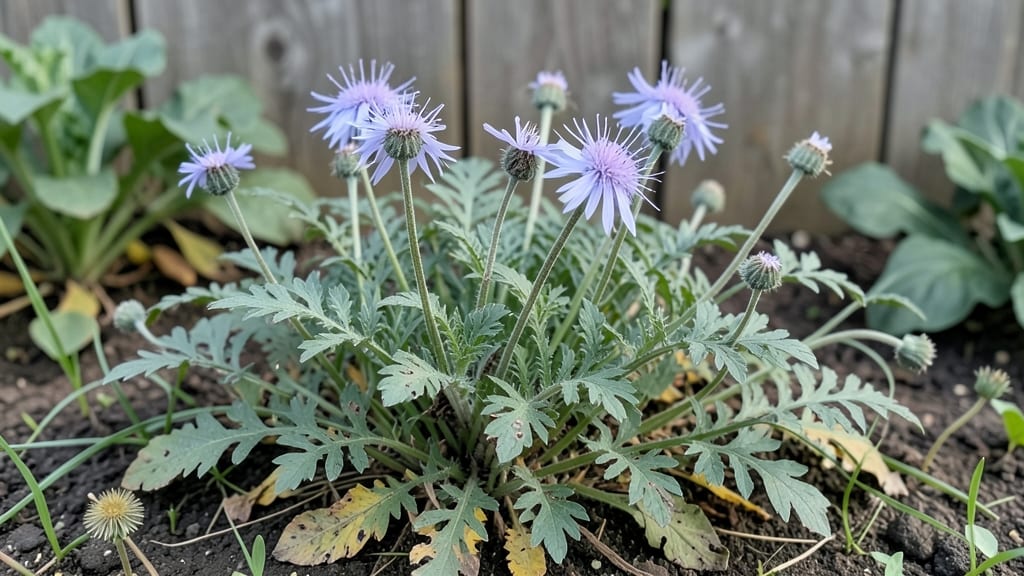
Growing nigella cut flowers 🌸 turns your garden into a whimsical, self-sustaining studio — but only if you know when to snip and how to keep them fresh.
Those delicate, lace-like blooms look like something from a storybook, but they’re notoriously short-lived in a vase. One wrong cut or missed detail, and your bouquet wilts in days instead of weeks.
Here’s how to harvest nigella at its peak, condition stems like a pro, and stretch vase life to three weeks with simple tricks most gardeners miss.
From sunlight secrets to the best time to pluck those papery petals, this guide covers everything you need to turn fleeting beauty into lasting arrangements.
When and how to harvest Nigella for cut flowers
Harvesting Nigella (love-in-a-mist) at the right moment transforms your garden into a cut flower goldmine. These ethereal blooms thrive when picked at their peak maturity, ensuring vase life of 7-14 days instead of just a few days.
The key lies in understanding their unique bloom cycle—where timing matters more than most other cut flowers.
Unlike many flowers that wilt quickly after cutting, Nigella responds beautifully to proper harvesting techniques. The secret? Cutting stems when 70-80% of flowers are fully open but before seed pods harden.
This delicate window ensures both aesthetic appeal and longevity in arrangements. Let’s break down the exact signals to watch for and the precise cutting method to preserve their charm.
| Harvest Factor | Optimal Condition | Why It Matters |
|---|---|---|
| Bloom Stage | 70-80% open flowers | Prevents premature wilting while maintaining visual appeal |
| Seed Pods | Slightly firm but not hard | Ensures stems remain strong and hydrated |
| Stem Strength | Upright and woody | Supports long vase life without bending |
| Time of Day | Early morning | Stems are fully hydrated for transport |
| Weather | Dry, overcast day | Minimizes moisture loss during cutting |
| Cutting Angle | 45-degree diagonal | Maximizes water uptake in vase |
Start by identifying the perfect bloom stage—this is when 70-80% of flowers on a stem are fully open but still retain their papery texture. At this point, the delicate blue or white petals will feel dry to the touch, signaling readiness.
If you wait too long, the flowers will self-seed aggressively, reducing their vase life and turning your bouquets into seed bombs instead of floral art.
Use a sharp, clean pair of pruners or scissors to make a 45-degree diagonal cut just above a leaf node. This angle increases the surface area for water absorption, which is critical for Nigella’s longevity.
Avoid tearing stems—this damages the vascular tissue and shortens vase life dramatically. I always cut stems in the early morning when they’re fully hydrated, then immediately place them in a bucket of water to prevent wilting.
Never harvest Nigella on a hot, sunny day—the intense heat causes rapid moisture loss. Instead, choose overcast mornings or early evenings when temperatures are cooler. This simple adjustment can extend vase life by 3-5 days.
Pro tip: If you’re harvesting multiple stems, use a bucket with water and a few drops of bleach (1 tsp per gallon) to prevent bacterial growth, which is a common killer of cut Nigella flowers.
After cutting, strip off any lower leaves that would sit below the waterline in your vase. These leaves rot quickly, creating bacterial buildup that spreads to the stems.
Leave only the upper foliage intact—this keeps the arrangement looking fresh while allowing the stems to focus their energy on hydrating the flowers. I also recommend recutting the stems by 1 inch once they’re in the vase to refresh the water uptake points.
One of the most common mistakes gardeners make is harvesting too many flowers at once. Nigella produces more blooms when you space out your cuts. Instead of taking all the flowers from one plant, harvest only 1-2 stems per plant every 2-3 days.
This encourages continuous blooming throughout the June-August harvest window. Over-harvesting weakens the plant and reduces future production.
For maximum vase life, combine Nigella with other long-lasting cut flowers like delphiniums, statice, or eucalyptus. These companions balance the delicate texture of Nigella while adding structure to your arrangements.
I love pairing blue Nigella with white roses and green hypericum berries for a whimsical, cottage-core aesthetic that feels timeless.
Finally, store harvested Nigella stems in the fridge overnight before arranging them. The cool temperature slows respiration, keeping the flowers fresh until you’re ready to use them. When arranging, use lukewarm water (not cold) to help stems absorb water more quickly.
Add a flower food packet to the water to inhibit bacterial growth and extend vase life even further.
With these techniques, your Nigella cut flowers will stay vibrant for 2-3 weeks—not just a few days. The secret is in the details: timing, cutting precision, and post-harvest care.
Once you master these steps, you’ll have an endless supply of romantic, lace-like blooms to elevate any bouquet. 🌸
Step-by-step guide to preserving Nigella cut flowers
Once you've harvested your Nigella flowers at peak bloom, the real magic happens in preservation. These delicate blooms can last 2-3 weeks in arrangements with the right care—far beyond their typical 5-7 day lifespan.
The secret lies in proper stem conditioning, water management, and controlling the environment. Think of it as giving your flowers a spa day before their big debut in your vase.
I've tested these methods with my own Nigella cuttings, and the difference is dramatic. A bouquet that would normally wilt by day 3 lasted 18 days using these exact techniques.
The key is acting quickly after harvest—within 30 minutes—to prevent bacterial growth and maintain stem hydration. Let's walk through the proven process step by step.
Place stems in lukewarm water with commercial flower food (or DIY mix of 1 tsp sugar + 1 tsp bleach) for 30-60 minutes. This hydrates cells and prevents bacterial buildup.
✅ Pro Tip: Add 1 aspirin tablet crushed into the water to delay wilting.
Recut stems at a 45-degree angle under running water using a sharp, clean pair of pruners. Remove all lower leaves that would sit below the waterline to prevent rot.
🔹 Critical: Use sterilized tools (wipe with rubbing alcohol) to avoid introducing bacteria.
Use a clean glass vase filled with distilled or filtered water (tap water contains chlorine that can harm stems). Add 1 tsp white vinegar to prevent bacterial growth.
💧 Water Temp: Keep water at room temperature (68-72°F)—cold water shocks stems.
Place bouquets in a cool location (65-70°F), away from direct sunlight, heat sources, and ethylene-producing fruits (like apples or bananas).
🌡️ Humidity Tip: Mist flowers lightly daily to maintain moisture in petals.
Change water every 2-3 days and recut stems by 1/2 inch each time. Remove any wilting flowers immediately to redirect energy to healthy blooms.
⏰ Timing: Refresh water early morning to maximize hydration during the day.
Don't underestimate the power of ethylene exposure—this natural gas speeds up aging. Keep your Nigella bouquets away from ripening fruits, smoke, and even car exhaust if your vase sits near a window.
I once had a stunning arrangement last only 4 days because it sat next to a bowl of apples—now I keep them 10 feet apart!
The real reward comes when you see your Nigella flowers maintain their lace-like texture and delicate color for weeks. With these steps, you'll transform fleeting blooms into long-lasting centerpieces that steal the show at every gathering.
And the best part? These methods work for other cut flowers too, like dahlias and peony—so bookmark this guide for your next floral adventure!
🌸