
Trees
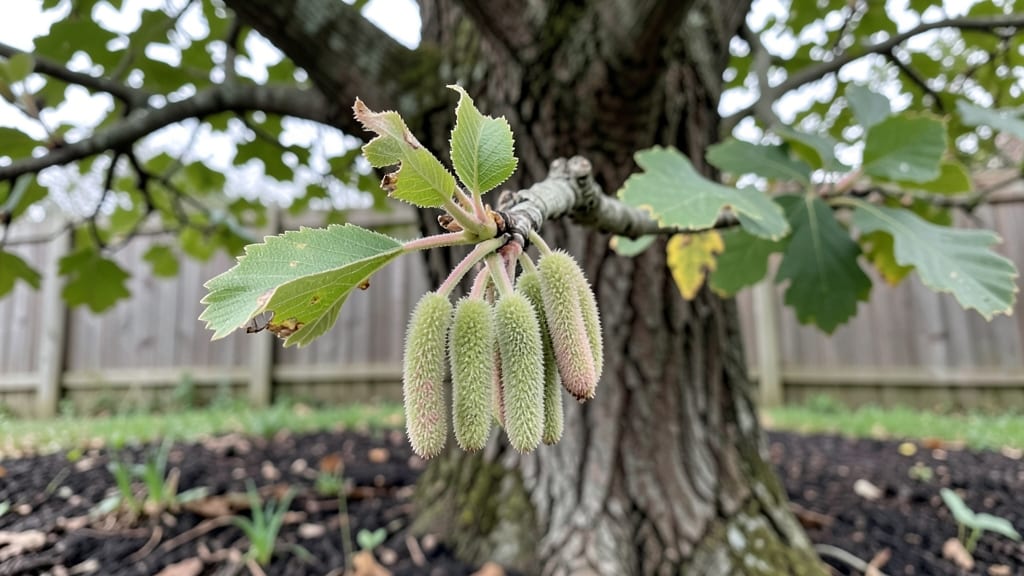
Oak female flowers are the secret to acorn production 🌳 — those fuzzy catkins you spot in spring may look unassuming, but they hold the future of your tree.
If you’ve ever spotted tiny, fuzzy catkins on oak trees and wondered why they never turn into acorns, you’re not alone—those are oak female flowers, and understanding them is the key to nurturing healthier trees and future harvests.
Unlike their showy male counterparts, female flowers are subtle but critical: they develop into acorns, feed wildlife, and even influence the tree’s growth. Without them, your oak will stay barren, no matter how healthy it looks.
In this guide, I’ll show you how to spot them, what they need to thrive, and how to encourage more blooms for a bountiful acorn crop—no green thumb required.
How to identify oak female flowers and their role in acorn production
Oak trees produce two distinct types of flowers: male catkins and female flowers, both of which play critical roles in acorn production. While male catkins are long, dangling, and produce pollen, the female flowers are tiny, fuzzy, and often overlooked—yet they hold the key to future acorn crops.
These female catkins appear as small, upright clusters, usually near the ends of branches, and their development directly impacts whether your oak tree will bear acorns.
The female flower anatomy includes a central pistil surrounded by tiny bracts, which will eventually develop into acorns if pollinated. Unlike male catkins, which release pollen in early spring, female flowers remain dormant until pollination occurs.
Understanding their timing and structure is essential for gardeners aiming to encourage healthy acorn production in their oak trees.
| Feature | Description | Key Role in Acorn Production |
|---|---|---|
| Appearance | Small, upright, fuzzy clusters (1-2 inches long) | Houses the pistil for fertilization |
| Location | Near branch tips or leaf axils | Ensures optimal sunlight exposure for pollination |
| Blooming Time | Late spring (May-June, after male catkins) | Aligns with pollen release from male flowers |
| Post-Pollination | Swells into a tiny acorn cup (cupule) | Develops into acorns by fall |
| Regional Variations | Southern oaks bloom earlier (April); Northern oaks bloom later (June) | Affects acorn maturity timing |
One of the biggest misconceptions is that oak female flowers look identical to male catkins. In reality, they’re far more subtle: female flowers are compact, upright, and often hidden among leaves, while male catkins are long, dangling, and highly visible. The female flower’s pistil is the reproductive heart, and its successful pollination determines whether your oak tree will produce acorns.
Timing is everything when it comes to oak female flowers. They typically bloom in late spring, just as male catkins release pollen. This synchronization ensures cross-pollination, which is crucial for acorn development.
In southern regions, blooming may start as early as April, while in northern climates, it can extend into June. Understanding this timing helps gardeners predict acorn harvests and plan accordingly.
Female flowers require direct sunlight to thrive, which is why they often appear on the outer branches of oak trees. If your oak is shaded by taller trees or buildings, the female flowers may struggle to develop properly, leading to fewer acorns.
Pruning nearby obstructions can improve sunlight exposure and encourage healthier blooms.
Not all oak species produce female flowers equally. For example, white oaks tend to have more prolific female blooms than red oaks, which can result in larger acorn crops.
If you’re growing oaks for wildlife or landscaping, choosing varieties with strong female flower production—like bur oak or swamp white oak)—can maximize your acorn yield.
Once pollinated, the female flower transforms into a cupule, the structure that holds the acorn. This process takes about 6 months, with acorns typically maturing in fall. If you notice female flowers failing to develop into cupules, it could indicate poor pollination, disease, or environmental stress.
Monitoring these early stages helps identify issues before they affect the entire tree.
Regional climate plays a significant role in female flower development. In dry climates, oak trees may produce fewer female flowers due to water stress, while humid regions often see more prolific blooming.
If you’re in an arid area, deep watering in late winter can stimulate female flower production by ensuring the tree has adequate moisture before blooming season.
For gardeners looking to encourage more acorns, focus on soil health and minimal disturbance around the tree’s roots. Oak trees are sensitive to over-fertilization, which can lead to excessive leaf growth at the expense of female flowers.
Instead, use a balanced, slow-release fertilizer in early spring to support root development without overstimulating the tree.
Finally, remember that oak trees are long-lived, and female flower production may not peak until the tree reaches 20-30 years of age. Patience and consistent care—like proper watering, pruning, and pest control—will pay off with healthier blooms and a bountiful acorn harvest in the years to come. 🌳
5 Proven methods to encourage oak female flower blooms for more acorns
Oak trees produce female flowers that develop into acorns, but many gardeners struggle to see these blooms thrive. The secret lies in creating the right conditions—from soil health to strategic pruning.
By focusing on these five key methods, you can give your oak trees the best chance to produce abundant female catkins and eventually, more acorns.
First, understand that oak trees are sensitive to over-manipulation. Unlike fruit trees, they don’t respond well to heavy fertilization or aggressive pruning. Instead, we’ll focus on natural, low-intervention techniques that mimic their native growing conditions.
Whether you’re managing a young sapling or a mature oak, these methods will help stimulate female flower production without stressing the tree.
Test soil pH (6.0–7.5) and add compost or aged manure in early spring. Oak trees prefer well-draining, slightly acidic soil—avoid heavy clay.
Water deeply every 10–14 days (1–2 inches per week) during drought months. Avoid shallow watering, which encourages weak root growth.
Remove dead or crossing branches in late winter. Focus on opening the canopy to improve airflow and sunlight penetration to lower branches.
Plant native understory plants like wildflowers or ferns around the oak’s base. These attract pollinators and improve soil microbial activity.
Mature oaks rarely need fertilizer. If young, use a balanced 10-10-10 in early spring—never in summer or fall.
Let’s start with soil health, the foundation of oak tree vitality. Oak trees thrive in well-draining, slightly acidic soil with a pH between 6.0 and 7.5. If your soil is compacted or alkaline, amend it with organic matter like compost or leaf mold.
Test your soil annually—this simple step can double your chances of seeing female catkins develop.
Next, watering plays a critical role. Oak trees are drought-tolerant once established, but their female flowers need consistent moisture during the growing season. Water deeply every 10–14 days rather than frequent shallow watering.
This encourages deep root growth, which supports flower and acorn production. Use a soaker hose or drip irrigation to deliver water directly to the root zone.
Pruning might seem counterintuitive—after all, you don’t want to stress the tree. But strategic pruning in late winter or early spring can boost female flower production. Focus on removing dead, diseased, or crossing branches while opening the canopy to improve sunlight and airflow.
Avoid heavy pruning, as it can reduce the tree’s energy reserves needed for flowering.
Another often-overlooked technique is companion planting. Oak trees benefit from native understory plants like wildflowers, ferns, or clover, which attract pollinators and improve soil health.
These plants also help retain moisture and reduce competition for nutrients. Plus, they create a more natural ecosystem that mimics the oak’s native habitat.
Finally, avoid over-fertilization, a common mistake that can backfire. Oak trees are adapted to low-nutrient soils, and excessive fertilizer can lead to leaf burn, weak growth, or even fewer flowers.
If you must fertilize, use a balanced 10-10-10 in early spring for young trees. Mature oaks typically don’t need fertilizer—focus instead on mulching and soil health.
By combining these five methods, you’ll create the ideal conditions for your oak tree to produce more female flowers and, eventually, a bountiful crop of acorns.
Patience is key—oak trees can take 5–10 years to mature enough for consistent acorn production, but the effort is worth it for a healthier, more productive tree. 🌳