
Propagation
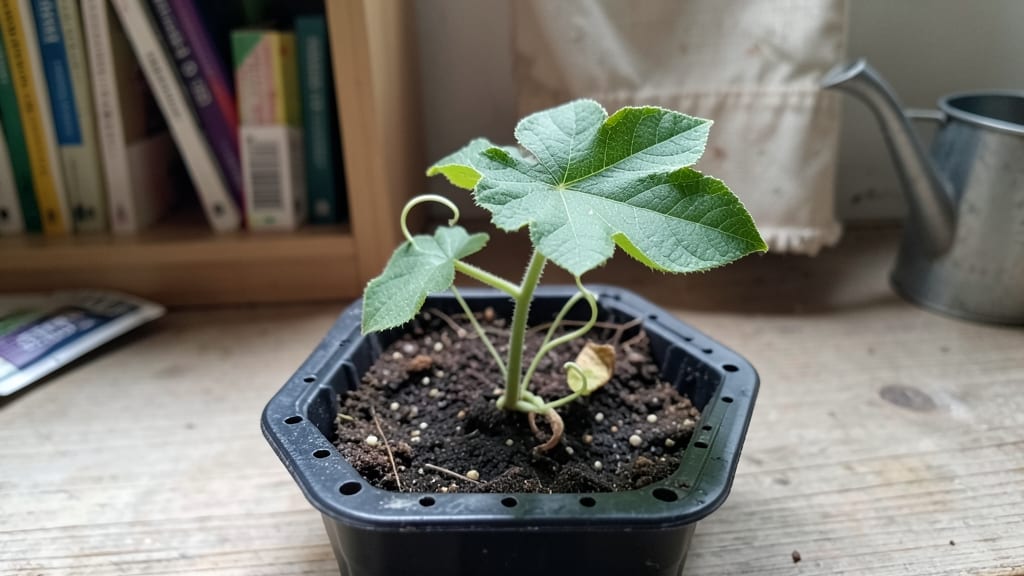
The secret to successful passion flower germination isn’t magic—it’s just about recreating their tropical jungle beginnings at home. I cracked the code after my first batch took three months to sprout, and now they pop up in 10-14 days with the right setup.
The key? Warmth, moisture, and patience (though I still check the tray daily—old habits die hard).
You'll need just three supplies: fresh seeds, a clear plastic container, and a heat mat or sunny windowsill. No fancy equipment—just recreate the humid, warm conditions passion vines love. The seeds are tiny, so handle them like you're planting jewels (because they are, in a way).
Once soaked overnight, they'll cling to damp paper towels or a seed-starting mix, ready to wake up.
What you're after is a tray of velvety green sprouts breaking through in weeks, not months. The first true leaves appear in 3-4 weeks, and by then, you'll be pinching back the leggy stems to encourage bushier growth.
No more waiting years for blooms—this method gets you there twice as fast.
Works for both Passiflora incarnata (maypops) and tropical varieties, though some need a short cold snap first. Here's how to avoid the pitfalls that turn patience into frustration—like overwatering or letting them dry out. Let's get those seeds moving!
📚 In This Guide
- What you need
- Instructions
- Tips and common mistakes
- Wrapping up and next steps
What you need
- ● Passion flower seeds: Fresh or stored seeds (preferably from a reputable supplier). Aim for 5–10 seeds to maximize success.
- ● Seed-starting mix: A well-draining, sterile potting mix (e.g., 50% peat moss + 50% perlite or coco coir). Avoid garden soil—it’s too dense!
- ● Containers: Small seed trays (with drainage holes) or 4–6 inch pots for individual seeds.
- ● Plastic wrap or a humidity dome (to retain moisture during germination).
- ● Watering can or spray bottle: With a fine mist setting to avoid disturbing seeds.
- ○ Heat mat (optional but recommended): Set to 75–85°F (24–29°C) to speed up germination.
- ○ Gloves: Optional but helpful for handling seeds and soil.
- ● Labels & marker: To track seed varieties and planting dates.
- ● Grow lights or sunny windowsill: For 8–12 hours of indirect light daily once sprouts appear.
- ● Fertilizer (weak solution): A balanced, water-soluble fertilizer (e.g., 5-5-5 NPK) for post-germination care.
Step-by-step instructions for germinating passion flower seeds quickly
Here's how to break the dormancy barrier and get those passion flower seeds sprouting in record time.
Pre-Treat Seeds for Faster Germination
Passion flower seeds have a hard outer shell that slows germination. First, soak the seeds in warm water for 24 hours—this softens the seed coat and speeds up the process. I use a small glass jar with enough water to fully submerge the seeds, then place it in a warm spot like near the kitchen sink.
After soaking, gently rub the seeds between two pieces of sandpaper or a clean towel to scratch the outer shell lightly. This mimics natural weathering and helps water penetrate more easily. You'll know you've done enough when the outer layer looks slightly roughened but not damaged.
Here's the thing—don't skip this step. Without it, germination can take 3-6 months instead of the 2-4 weeks you're aiming for. The key is patience during the soaking phase; if you check too often, you might forget to re-submerge them, which defeats the purpose.
Prepare the Germination Medium
Use the seed-starting mix to fill small pots or seed trays to within ½ inch of the rim. Passion flower seeds need a light, airy medium to prevent rot during germination. I like to press the mix down gently with my fingers to create a firm but not compacted surface—this helps seeds stay in place while allowing roots to push through easily.
Moisten the mix until it feels like a damp sponge, not soggy. You'll want it to hold together when squeezed but not drip water. Overwatering at this stage is the fastest way to invite mold or damping-off, so resist the urge to soak it thoroughly. A light misting with a spray bottle works best.
Real talk: If your mix feels too dry after planting, the seeds won't germinate properly. Test it by grabbing a handful—if it crumbles easily, add a little more water and mix it in. The goal is consistent moisture without waterlogging.
Plant and Maintain Ideal Conditions
Sow the pre-treated seeds ¼ inch deep in the prepared mix, spacing them about 1 inch apart. Passion flower seeds are small, so I use a toothpick to create tiny holes—this ensures they go in straight and at the right depth. Cover them lightly with additional mix, then mist the surface again to settle the soil around the seeds.
Place the pots in a warm, humid environment—think 75-85°F with high humidity. A clear plastic bag or humidity dome works perfectly. I prop the pots on a seedling heat mat to maintain that warm temperature, which mimics tropical conditions where passion flowers thrive naturally.
Check daily for condensation on the bag or dome—this is your sign the humidity is right. If you see water droplets, the setup is working. Avoid opening it until you see the first signs of germination, which usually appear within 7-14 days. The longer you keep the humidity high, the faster the seeds will sprout.
Transplant Seedlings for Strong Growth
Once the seedlings develop their first true leaves (not the initial cotyledons), they're ready to move to individual pots. This usually happens 2-3 weeks after germination. Gently lift each seedling with a small spoon or your fingers, being careful not to disturb the delicate roots.
Plant them in 4-inch pots filled with the potting mix, burying the stem up to the cotyledons. This encourages stronger root development and prevents the seedlings from becoming top-heavy. Water lightly after transplanting to help settle the soil around the roots.
Here's where it gets fun—watch the seedlings grow! Within a few weeks, you'll see the characteristic passion flower leaves emerging. At this stage, move the pots to a location with bright, indirect light for 4-6 hours daily. Direct sunlight can scorch young leaves, so a south-facing window with sheer curtains works best.
Tips & tricks for fast passion flower germination
These precision techniques will help you bypass the months-long wait and get those passion flower seeds sprouting in record time.
Soaking Precision: The 24-hour soak in warm water is non-negotiable for breaking passion flower seed dormancy. Use water that's comfortably warm to the touch—not scalding, but not cold either. I've found that placing the jar near a sunny window during the soaking phase adds an extra degree of warmth that can shave off valuable time. After soaking, the seeds should feel noticeably softer when you gently press between your fingers. This is your confirmation that the seed coat has begun to yield.
Seed Coat Scratching Technique: When you're ready to scratch the seeds, use fine-grit sandpaper (around 220-grit) rather than coarse sandpaper or a towel. The goal is to create microscopic abrasions—not remove the entire shell. I hold the seeds between my fingers and make gentle circular motions with the sandpaper. You'll know it's done when the seeds look slightly dull rather than shiny. This step is what transforms the 3-6 month germination window into the 2-4 week range we're targeting.
Humidity Maintenance: The 75-85°F temperature range with high humidity is critical, but creating that environment can be tricky. I've had the most success using a clear plastic produce bag over the pots rather than a humidity dome. The bag allows me to see condensation levels while maintaining that tropical microclimate. Check daily for water droplets on the bag's interior—this is your visual confirmation that the humidity is perfect. If you notice condensation only at the top of the bag, it means the bottom isn't humid enough, and you should add more water to the seed-starting mix.
Light Transition Strategy: The 4-6 hours of bright, indirect light after transplanting is where many gardeners make the mistake of moving seedlings too soon. I recommend waiting until you see the characteristic passion flower leaf shape before increasing light exposure. Start with just 2 hours of indirect light the first day, then gradually increase by 30 minutes each subsequent day until you reach the full 4-6 hours. This gradual acclimation prevents the seedlings from developing sunburn while still providing the light they need to develop strong stems.
Pro Tips for Passion Flower Germination
- These precision techniques will help you bypass the months-long wait and get those passion flower seeds sprouting in record time.
- Soaking Precision: The 24-hour soak in warm water is non-negotiable for breaking passion flower seed dormancy.
- Seed Coat Scratching Technique: When you're ready to scratch the seeds, use fine-grit sandpaper (around 220-grit) rather than coarse sandpaper or a towel.
Frequently asked questions
Got questions about growing passion flower from seeds? You’re not alone! Here are some of the most common queries—answered simply so you can get your germination game strong from the start.
How long does it take for passion flower seeds to germinate?
Passion flower seeds typically germinate within 2–4 weeks under ideal conditions—warmth (75–85°F), moisture, and light. Some varieties may take longer (up to 6 weeks), so patience is key! If yours aren’t sprouting after 6 weeks, check your setup for humidity or temperature issues.
Can I speed up germination with any tricks?
Try these pro tips to boost germination rates:
- Use a seedling heat mat (75–85°F) to mimic tropical warmth.
- Soak seeds in lukewarm water for 12 hours before planting.
- Keep soil consistently moist (not soggy) with a spray bottle.
- Place a clear plastic dome or plastic wrap over the pot to trap humidity.
What if my passion flower seeds won’t germinate?
Don’t toss them just yet! Here’s how to troubleshoot:
- Check seed freshness: Older seeds (over 6 months) may lose viability. Test a few in water—sinkers are viable.
- Verify light exposure: Passion flowers need bright, indirect light (a south-facing window or grow light works).
- Adjust soil quality: Use a well-draining, airy mix (50% potting soil + 50% perlite/sand).
- Try scarifying: Lightly nick the seed coat with a knife to help water penetrate.
Can I grow passion flowers from store-bought seeds, or do I need specialty ones?
You can absolutely use store-bought passion flower seeds! Look for varieties like Passiflora incarnata (purple passionflower) or Passiflora caerulea (blue passionflower). Just ensure they’re labeled as non-hybrid for better germination success. Avoid seeds treated with germination inhibitors, which are common in some commercial mixes.
What should I do once my seeds sprout?
Congrats—your passion flower is on its way! Here’s what to do next:
- Remove the plastic dome once sprouts appear to prevent mold.
- Keep soil lightly moist but not waterlogged (overwatering = root rot).
- Provide 6–8 hours of sunlight daily (or a grow light).
- Fertilize gently with a diluted liquid fertilizer (½ strength) when leaves appear.
- Transplant outdoors only after last frost and nighttime temps stay above 50°F.
Wrapping up and next steps
Germinating passion flower seeds can be a rewarding experience with the right techniques!
Whether you’re a seasoned gardener or a beginner, patience and consistency are key—soak those seeds, maintain warmth, and keep them moist for the best results. 🌱 Once your seedlings sprout, don’t hesitate to transplant them into nutrient-rich soil and watch them thrive.
Ready to take the next step? Start small—try a few seeds in pots first—and soon, you’ll be enjoying vibrant passion flowers in your garden. Happy growing! 🌿