
Planting
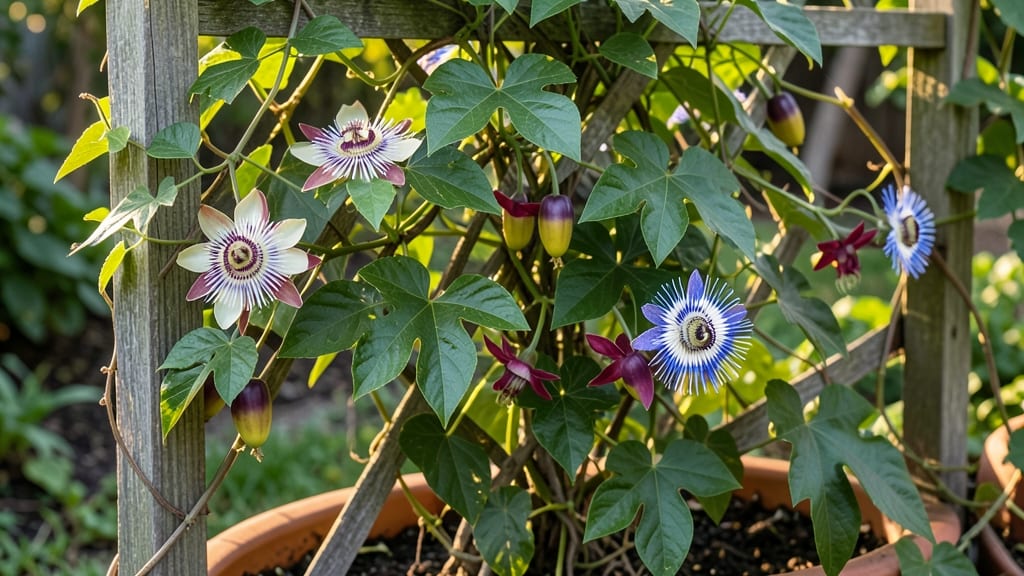
Growing passion flowers in the right hardiness zone is the key to vibrant 🌺 vines and bountiful blooms, with most varieties thriving in USDA zones 8 through 11.
If you’ve ever dreamed of growing stunning, fragrant passion flowers but worry about your climate, you’re not alone—these tropical vines thrive in specific hardiness zones that can make or break your gardening success.
In warmer climates like zones 9 and 10, passion flowers practically grow themselves, while gardeners in zones 7 and below need extra care to protect them from frost.
Below, I’ll break down the best varieties for your zone, cold-hardy strategies, and how to extend the growing season—so you can enjoy these exotic beauties no matter where you live.
Understanding passion flower hardiness zones: USDA zones 8-11 explained
Passion flowers (Passiflora spp.) are stunning tropical vines that thrive in USDA hardiness zones 8 through 11, where warm winters and long growing seasons create ideal conditions. These zones represent the core range where most passion flower varieties can establish themselves permanently without extra protection.
Understanding these zones helps you choose the right varieties for your climate and plan for their care.
In zones 8-11, passion flowers experience minimal frost risk, allowing them to grow vigorously year-round in many regions. However, even within these zones, microclimates and occasional cold snaps can affect their performance.
For example, zone 8 gardeners may face light frosts, while zone 11 areas like Southern California or Florida enjoy frost-free winters.
Here’s how passion flowers perform across these zones, including their cold tolerance limits and key growing considerations:
In zone 8, passion flowers like blue passionflower (Passiflora caerulea) can survive light frosts if protected, but prolonged cold below 15°F (-9°C) will damage or kill the plant.
Use heavy mulch (4-6 inches of straw or wood chips) and frost cloth to insulate roots during unexpected cold snaps. Prune back dead growth in early spring to encourage new growth.
Gardeners in zones 9-10 enjoy the sweet spot for passion flowers, where most varieties thrive with minimal winter care. These zones experience rare frosts, but even a 20°F (-7°C) dip can stress tropical species.
In these areas, focus on summer pruning to control vine growth and encourage flowering. Varieties like passionfruit (Passiflora edulis) produce abundant fruit with proper care.
For zone 11 gardeners, passion flowers are a year-round delight with no frost risk. However, even in these warm climates, pests like spider mites and mealybugs can become issues.
Monitor plants regularly and provide well-draining soil to prevent root rot. Tropical varieties like Passiflora antioquiensis flourish here, offering vibrant blooms and unique foliage.
If you’re on the edge of zone 7 or below, don’t despair—microclimates can extend passion flower growing zones. South-facing walls, greenhouses, or containers can provide the extra warmth needed.
For example, planting near a brick wall or using black plastic mulch can raise soil temperatures by 5-10°F, making zone 7 more manageable for hardy varieties.
When selecting varieties, prioritize native or hybrid types that match your zone. For instance, Passiflora incarnata (maypop) is a native zone 7-9 species that tolerates cooler temperatures better than tropical cousins. Always check the USDA Plant Hardiness Zone Map for your specific location to make informed choices.
Remember, passion flowers reward patience and care with stunning blooms and sometimes edible fruit. Whether you’re in sunny zone 11 or mild zone 8, choosing the right variety and providing seasonal adjustments will help your vines thrive for years to come.
Best passion flower varieties for different hardiness zones
Choosing the right passion flower variety depends entirely on your USDA hardiness zone. In colder zones like 7-8, frost-sensitive tropical varieties will struggle, while zones 9-11 can support even the most delicate species.
Let's explore the best matches for your climate to ensure vibrant blooms and healthy vines all season.
For gardeners in zones 7-8, Passiflora caerulea (blue passionflower) is your best bet—it tolerates brief frosts down to 0°F (-18°C) and thrives in cooler summers. In warmer zones 9-11, Passiflora edulis (passionfruit) and Passiflora ligularis (giant granadilla) flourish year-round with minimal winter care.
| Variety | USDA Zones | Cold Hardiness | Key Features |
|---|---|---|---|
| Passiflora caerulea | 7-11 | 0°F (-18°C) | Blue flowers, fragrant, drought-tolerant, great for trellises |
| Passiflora edulis | 9-11 | 30°F (-1°C) | Edible passionfruit, fast-growing, needs support |
| Passiflora incarnata | 5-11 | -10°F (-23°C) | Maypop fruit, pink flowers, highly cold-hardy |
| Passiflora ligularis | 9-11 | 35°F (2°C) | Giant granadilla, large white flowers, tropical fruit |
| Passiflora racemosa | 8-11 | 25°F (-4°C) | Banana passionfruit, fragrant, needs warm winters |
If you're in a transitional zone like 8-9, consider hybrid varieties such as Passiflora 'Constance Elliott', which combines cold tolerance with vibrant purple blooms.
These hybrids often bridge the gap between tropical and temperate varieties, making them ideal for marginal climates where winters are mild but summers can be hot.
For edible varieties, Passiflora edulis (passionfruit) is the star of zones 9-11, producing sweet, tangy fruits perfect for desserts. In cooler zones, Passiflora incarnata (maypop) offers a native fruit-bearing option that thrives even in zone 5 with proper winter protection.
Always check your local microclimate—sheltered spots or urban heat islands can push your zone up by 1-2 degrees, allowing you to grow varieties that might otherwise be too tender. For example, a zone 8 garden in Southern California could safely grow Passiflora edulis with minimal winter care.
Start with 1-2 plants to test your zone's suitability, and remember: passion flowers love to climb—provide a sturdy trellis or fence to support their rapid growth. With the right variety, your garden will soon be bursting with exotic blooms and maybe even delicious fruit! 🌺