
Trees
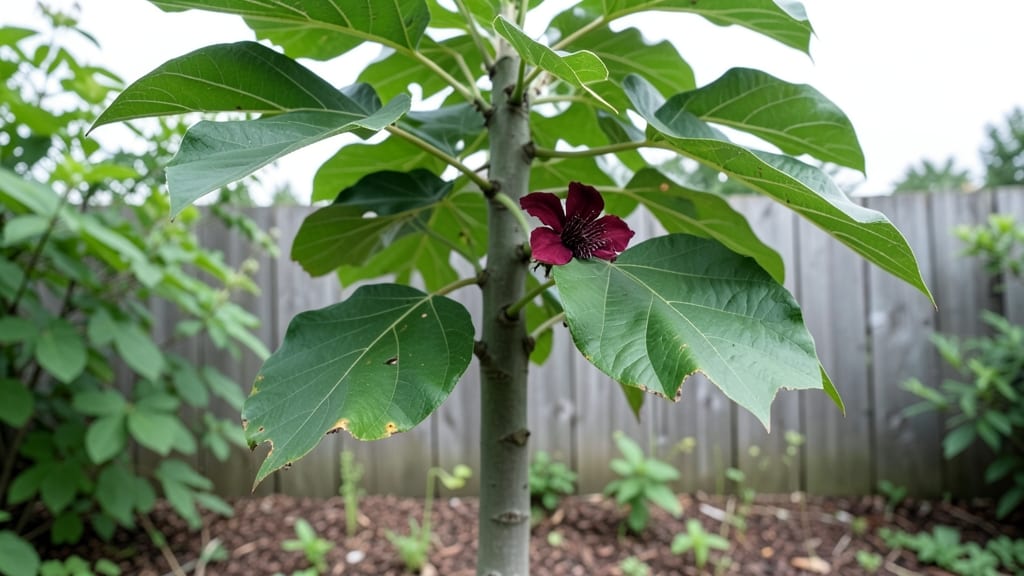
Spotting a pawpaw tree flower 🌳 means you’re on the path to a harvest of custard-like fruit—but timing and care make all the difference.
The pawpaw tree’s delicate, maroon-purple blooms appear in late spring, just as the leaves unfurl, and they’re a gardener’s secret to a bountiful harvest. But if you miss the window or overlook their needs, those flowers won’t turn into fruit.
In this guide, I’ll show you exactly when to expect those fragrant blooms, how to tell male from female flowers, and the simple tricks to encourage more fruit—like hand-pollination and the right growing conditions.
Whether you’re a first-time grower or a seasoned gardener, these tips will help you turn those beautiful flowers into a sweet, tropical harvest by late summer.
When do pawpaw tree flowers bloom and what do they look like?
If you’ve ever wondered why your pawpaw tree (Asimina triloba) isn’t producing fruit, the answer might lie in its maroon-purple flowers. These fragrant blooms appear in late spring—typically April to early May in most USDA zones 5-9—but their short-lived nature means you need to be ready.
The flowers are the gateway to a bountiful pawpaw harvest, so knowing when and how to spot them is key to unlocking that tropical fruit potential.
Pawpaw flowers are hermaphroditic, meaning each bloom contains both male and female parts. However, they’re self-unfruitful, so cross-pollination is essential. The flowers themselves are 3-4 inches wide, with 6 petal-like tepals that range from deep maroon to purple, often with a yellow-green center.
Their intense vanilla-cinnamon scent attracts native pollinators like beetles and bees, making them a standout in the garden.
To maximize your chances of fruit, you’ll need to distinguish between male and female flower structures, even though they’re on the same plant. The male flowers have 6 prominent stamens with yellow pollen, while female flowers feature a short, thick style that resembles a tiny green cone.
Understanding this difference helps you strategize for hand-pollination if natural pollinators are scarce.
Here’s a quick reference to help you identify pawpaw flowers and their key characteristics:
| Feature | Details | Timing |
|---|---|---|
| Flower Color | Maroon-purple with yellow-green center | Late April to early May |
| Flower Size | 3-4 inches wide | Peak bloom: 1-2 weeks |
| Male Parts | 6 yellow stamens with pollen | Visible at bloom |
| Female Parts | Short green style (cone-like) | Develops after pollination |
| Scent | Vanilla-cinnamon fragrance | Evening peak |
| Pollinators | Beetles, bees, flies | Active at dawn/dusk |
The best time to spot pawpaw flowers is in the morning or evening, when temperatures are cooler and the scent is strongest. If you’re in Zone 5, expect blooms slightly later—around late May—due to cooler spring temperatures.
In Zone 9, flowers may appear as early as March, especially in microclimates with early warmth.
Once you’ve identified the flowers, pay attention to their location on the tree. Pawpaw flowers grow in leaf axils on new growth, often clustered in groups of 2-5. The first blooms appear on last year’s wood, while later flowers emerge on current season’s shoots.
This dual-flowering habit increases your chances of fruit set, but it also means you’ll need to monitor multiple branches.
If your pawpaw tree is younger than 5 years old, it may not flower at all—patience is key.
Mature trees (10+ years) produce the most abundant blooms, but even a 5-year-old tree can yield flowers if given proper care. Prune lightly in late winter to encourage new growth, which is where next year’s flowers will form. Avoid heavy pruning, as it removes potential flower buds.
One of the most common questions I hear is: "Why aren’t my pawpaw flowers turning into fruit?" The answer often lies in pollination failures. Since pawpaw trees rely on native beetles (like Carpophilus species) for pollination, urban gardens or areas with few pollinators may see poor fruit set.
If you notice dropping flowers within 24 hours of blooming, it’s a red flag—your tree may need hand-pollination assistance.
To test for pollination success, gently shake a flowering branch over a white paper bag on a sunny day. If yellow pollen rains down, your tree is producing viable pollen.
If not, you’ll need to transfer pollen manually using a small paintbrush or cotton swab. This simple step can double your fruit yield in just a few minutes of effort.
Finally, keep an eye out for pawpaw fruit buds forming 4-6 weeks after pollination. These will appear as small green lumps where the flowers were.
If you see them, your pollination efforts are paying off—and soon, you’ll be harvesting those creamy, custard-like pawpaws that taste like a mix of banana and mango.
How to maximize pawpaw flower pollination for heavy fruit yields
Pawpaw trees (Asimina triloba) rely on native pollinators like bees and beetles to transform their maroon-purple flowers into fruit—but many gardeners miss the mark. Without proper pollination, those delicate blooms drop off, leaving you with fewer pawpaws than you’d hope.
The good news? You can boost fruit set with a few simple strategies, from hand-pollination to creating a pollinator-friendly habitat.
First, understand that pawpaw flowers are wind- and insect-pollinated, but they’re not as efficient as some other fruit trees. Female flowers (with long styles) need pollen from male flowers (with short stamens) to develop fruit.
If your tree has only one gender, you’ll need to cross-pollinate manually or plant a second tree nearby. Even with both genders, poor pollinator activity can drastically reduce yields.
- 1
- 2
- 3
- 4
- 5
Timing is everything when it comes to pawpaw pollination. Blooms appear in late spring (May-June in most of the U.S.), and you’ll have just 5-7 days of optimal pollination per flower.
If rain or cool temperatures delay pollinators, hand-pollination becomes critical. I’ve seen gardeners double their fruit yield simply by dedicating 10 minutes daily to brushing pollen between flowers.
Don’t overlook soil health—pawpaws thrive in moist, well-draining soil with a slightly acidic pH (6.0-6.5). A balanced fertilizer (10-10-10) applied in early spring gives your tree the energy it needs to produce more flowers and heavier fruit.
I recommend side-dressing with compost in late summer to replenish nutrients after harvest.
One of the biggest mistakes I see is ignoring male and female flowers. If your tree has both, great—but if it’s all male or all female, you’ll need to plant a second tree within 100 feet for cross-pollination.
Even then, wind alone isn’t enough; you’ll need to supplement with hand-pollination or rely on native bees like the pawpaw sphinx moth, which is specialized for this task.
With these strategies, you’ll transform your pawpaw tree from a frustratingly low-yielding plant into a fruit-bearing powerhouse. Start with hand-pollination, then build a pollinator garden, and watch your harvest grow—literally! 🌿🐝