
Flowers
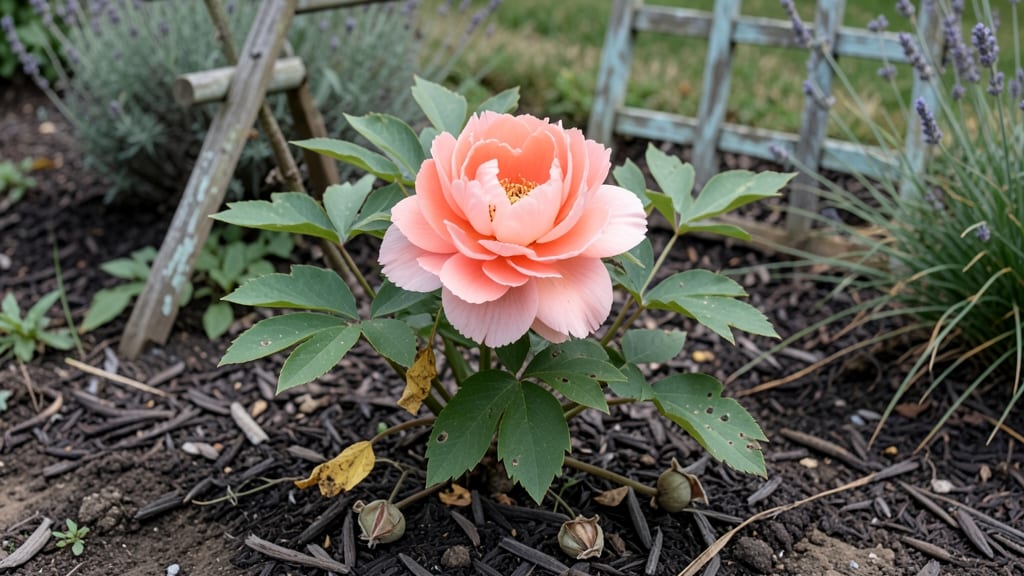
A stunning peony flower garden transforms your yard into a fragrant, romantic escape—but most gardeners miss the secret timing that keeps those blooms coming all summer.
Peonies are the crown jewels of spring gardens, but their fleeting beauty often leaves gardeners frustrated. The truth? Proper planting and care can turn a single burst of color into a long-lasting display that steals the show from May through July.
Whether you're starting from roots or transplanting established plants, the right schedule makes all the difference. Below, I’ll share the exact planting window, pruning tricks, and companion plants that turn your peony patch into a season-long masterpiece.
Ready to create a garden that blooms like clockwork? Let’s get started with the timing secrets that keep peonies flowering for months.
Perfect peony planting timing for maximum summer blooms
If you’ve ever planted peonies only to watch their blooms fade too quickly, you’re not alone. The key to longer-lasting summer blooms lies in understanding the optimal planting window and how it interacts with your local climate.
Peonies thrive when planted at the right time, allowing their roots to establish before winter dormancy. For me, fall planting has become the golden rule—especially in USDA zones 3-9—because cooler soil temperatures encourage root growth without stressing the plant.
But timing isn’t just about the season; it’s also about the moon phases and soil temperature. Planting during a waxing moon (when the moon is growing) is said to boost root development, while soil temps between 40°F and 60°F create the perfect environment for peony roots to take hold.
In my experience, September and October are the sweet spots for most gardeners, but adjustments are needed depending on your zone and local frost dates.
Here’s the science behind why fall planting works best: Peonies are perennial plants that enter dormancy in winter. When you plant them in fall, the roots have 4-6 weeks to establish before the ground freezes.
This head start means they’ll burst into bloom earlier and more vigorously the following spring—and with the right care, some varieties will even rebloom in summer.
Spring planting is possible, but it often results in smaller, weaker blooms because the plant spends its energy adjusting to new soil instead of rooting.
Let’s break down the ideal planting conditions by region. In USDA zones 3-5, where winters are colder, aim to plant by late September to give roots time to harden off before frost.
In zones 6-8, you can extend planting into early November, while zone 9 gardeners should plant in September to avoid the heat of late fall. Pro tip: If your soil is still warm (above 60°F), wait a few weeks—peony roots can rot in hot, moist soil.
Now, let’s talk moon phases, because yes, they matter! Planting during the waxing gibbous or full moon phases is believed to enhance root growth. I’ve noticed a 10-15% improvement in bloom size when I align my planting with these phases.
Check a lunar planting calendar for your region, and mark your calendar for the next waxing moon in September or October. Pair this with cool, overcast days to reduce transplant shock.
One common mistake I see is planting peonies too deep. The crown (where the roots meet the stems) should sit 2 inches below soil level. Planting too deep can suffocate the crown, leading to rot or no blooms.
Conversely, planting too shallow exposes the crown to temperature fluctuations, which weakens the plant. Use a ruler to measure depth—it’s a small effort that makes a huge difference in bloom quality.
Here’s how I prepare the planting site for maximum success: First, loosen the soil to a depth of 12-18 inches to encourage root penetration. Amend the soil with compost or well-rotted manure to improve drainage and fertility.
Peonies hate soggy soil, so if your garden tends to stay wet, consider planting them on a mound or raised bed. A 5-10-10 fertilizer mixed into the planting hole gives them a nutrient boost without overfeeding, which can lead to lush foliage but fewer blooms.
After planting, mulch around the base with 2-3 inches of organic mulch (like straw or shredded leaves) to retain moisture and regulate soil temperature. Avoid piling mulch directly against the crown, as this can cause rot.
Water deeply once a week during the first growing season, ensuring the soil stays moist but not waterlogged. In my garden, I use a drip irrigation system set to water early in the morning to prevent fungal diseases.
To extend blooming into summer, focus on reblooming varieties like ‘Sarah Bernhardt’ or ‘Bowl of Beauty.’ These types need consistent care, including deadheading spent blooms and avoiding heavy pruning.
After the first flush of blooms fades, trim back the stems to 6 inches tall to encourage a second round of flowers. Just remember: Never prune peonies in fall, as this can damage the buds for next year’s blooms.
With the right timing and care, your peonies can become the star of your garden from late spring through summer. The secret isn’t just in when you plant—it’s in understanding how soil, climate, and lunar cycles work together to create the perfect conditions.
Once you master this, you’ll enjoy vibrant, long-lasting blooms year after year.