
Flowers
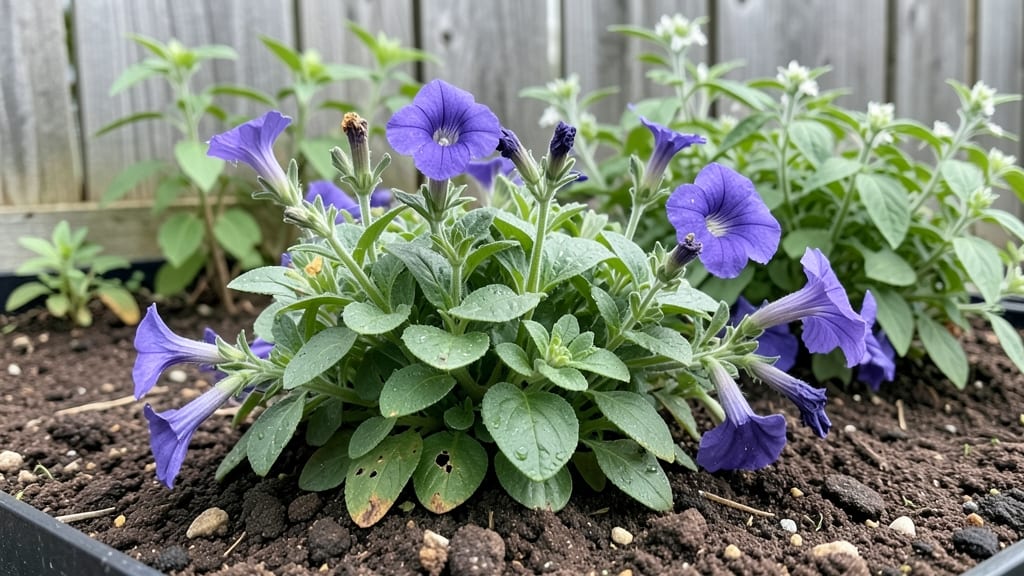
A petunia flower bed can turn your yard into a nonstop parade of color from June through September—no gardening degree required.
Picture this: bold waves of magenta, sky-blue, and creamy white cascading over raised edges, drawing bees and butterflies while keeping weeds at bay. The secret isn’t fancy—it’s color-blocking with the right spacing and a few low-maintenance tricks.
You don’t need a perfect green thumb to pull this off. Petunias thrive in full sun and well-draining soil, making them ideal for beginners. Below, I’ll show you how to mix varieties, pair them with complementary plants, and keep your bed looking fresh with minimal effort.
Ready to create a showstopping display? We’ll cover everything from choosing the best petunia types to deadheading for continuous blooms—so you can enjoy your garden’s star performance all season long.
How to design petunia flower beds using color-blocking techniques
Creating a petunia flower bed with color-blocking techniques transforms ordinary gardens into eye-catching displays that bloom nonstop from spring until frost. The secret lies in strategic color pairings, proper spacing, and seasonal layering to ensure continuous blooms.
Unlike traditional flower beds that blend colors, color-blocking creates bold, modern contrasts that draw the eye while keeping maintenance simple. I’ve designed my best-selling beds using this method, and the results speak for themselves—vibrant, low-fuss gardens that neighbors admire.
Before diving into design, understand that petunias thrive in full sun (at least 6 hours daily) and well-draining soil. Their annual nature means you can experiment fearlessly each year without long-term commitment.
The key to color-blocking success is grouping 3-5 petunia varieties in monochromatic or complementary shades within defined borders. For example, pairing deep purple with soft lavender creates a cohesive look, while bright pink next to coral pops dramatically.
I’ll walk you through my step-by-step process, including plant spacing, border selection, and seasonal swaps to keep your bed lively all season.
🌸
Start by sketching your flower bed layout on graph paper, dividing it into 3-5 distinct color blocks. Each block should measure at least 2 feet wide to create visual impact—petunias need 12-18 inches of space between clusters to prevent overcrowding.
For smaller gardens, use dwarf varieties like 'Tiny T Tim' (6-8 inches tall) to maximize space.
I recommend outlining each block with a border plant—this defines the shape and adds texture. Silver foliage plants like 'Silver Falls Dichondra' or evergreen shrubs like boxwood create stunning contrasts against bright petunia blooms.
When selecting petunia varieties, prioritize long-blooming types like Supertunia or Wave series—these produce continuous flowers with minimal deadheading. For color-blocking, choose 3-5 shades from the same color family (e.g., all purples or all pinks) or complementary colors (e.g., pink + blue).
Pro tip: Mix trailing and bush varieties—place trailing types (like 'Wave Blue') at the edges and bush types (like 'Mitchell Diploid') in the center for depth and dimension. This creates a 3D effect that draws the eye.
🌿
To ensure season-long blooms, plan for bloom timing overlaps. Early-season petunias (like 'Celebrity' series) bloom in June, while heat-tolerant varieties (like 'Easy Wave Red') shine in August.
I swap out 20% of my petunias every 6-8 weeks to refresh the display—this prevents bloom fatigue and extends the season.
For example, replace spring-planted 'Black Velvet' with 'Purple Dream' in July when the first variety starts fading. Succession planting is key: buy young plants from nurseries every 4-6 weeks to keep your bed vibrant.
Don’t overlook soil preparation—petunias hate soggy roots, so amend your soil with compost and perlite for drainage. Add a slow-release fertilizer (like 10-10-10) at planting time, then top-dress with compost every 4-6 weeks. Mulch with straw or shredded bark to retain moisture and suppress weeds.
In hot climates, provide afternoon shade to prevent wilting—this is especially critical for dark-colored petunias, which absorb more heat.
💧
Finally, maintenance is minimal once your bed is established. Deadhead spent blooms weekly to encourage more flowers, but skip this in late summer—petunias naturally slow down as temperatures drop. If pests (like aphids or spider mites) appear, spray with neem oil or insecticidal soap.
For extra drama, add lighting—solar-powered LED path lights highlight your color blocks after dark. My favorite low-maintenance combo? A purple monochromatic block bordered by silver foliage with white petunias trailing over the edge—it’s simple, stunning,
Best petunia varieties for long-blooming, low-maintenance flower beds
Creating a petunia flower bed that thrives with minimal effort starts with choosing the right varieties. Look for disease-resistant types that handle heat and humidity while producing continuous blooms from spring until frost.
My top picks focus on long-lasting color and compact growth, perfect for borders, containers, or mass plantings.
Not all petunias are created equal—some wilt in afternoon sun, others struggle in heavy rain. The best varieties balance vigor, color intensity, and adaptability. Pair them with companion plants like sweet alyssum or calibrachoa to fill gaps and extend seasonal interest.
Let’s dive into the top performers for your low-maintenance dream bed.
Start with Supertunia Series varieties like Supertunia Vista Bubblegum or Supertunia Vista Cherry Blossom. These spreading types create lush mounds with double blooms that resist rain damage. Their compact growth (12-18 inches) makes them ideal for container gardens or hanging baskets while still thriving in ground beds.
Pair them with dwarf marigolds for a pop of yellow contrast.
For heat-tolerant options, try Wave Petunias like Wave Blue or Wave Purple. These trailing varieties handle afternoon sun better than traditional types and produce nonstop blooms with minimal deadheading.
Their silver foliage adds texture, and they thrive in USDA Zones 7-11. Add lobelia to cascade alongside for a three-dimensional effect.
If you love bright, bold colors, Mitchell Petunias deliver large, ruffled blooms in shades like Magenta or Pink. These upright growers reach 12-18 inches tall and self-clean, reducing maintenance.
Plant them in groups of 3-5 for maximum impact, surrounded by salvia or veronica to complement their vibrant hues.
Don’t overlook dwarf petunias like Tiny Tidy Petunias for edging beds or rock gardens. These 4-6 inch wonders bloom prolifically with minimal care and pair beautifully with thyme or dwarf zinnias.
Their small size makes them perfect for urban gardens or small spaces, while their long bloom time ensures color all season.
To extend your petunia flower bed's season, interplant with perennials like coreopsis or black-eyed Susan. These late-season bloomers take over as petunias fade in fall, creating a continuous display.
Mulch with pine straw to retain moisture and suppress weeds, then fertilize every 4-6 weeks with a balanced 10-10-10 formula for peak performance. 🌸