
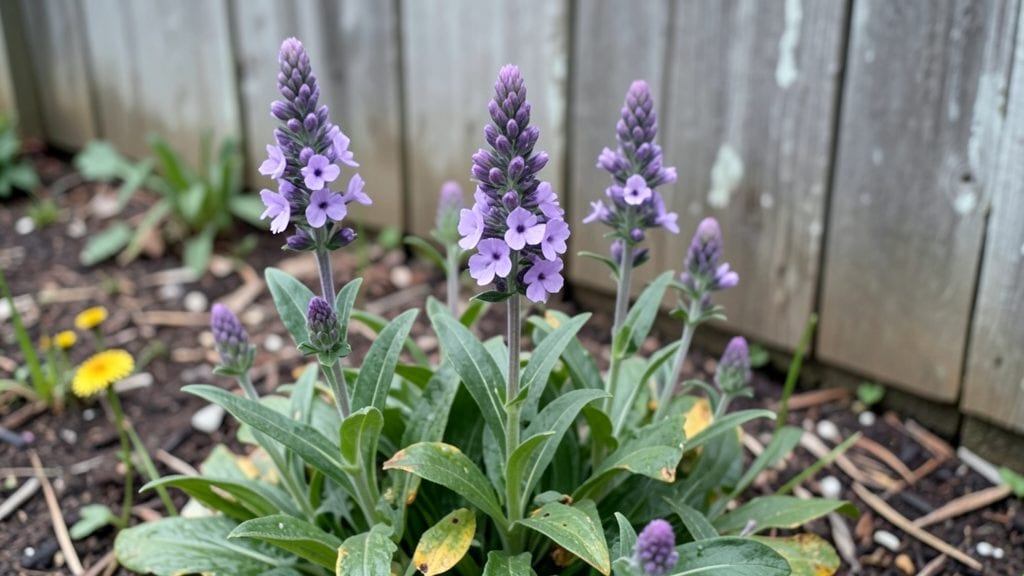
Phlox Flower Pictures: 15 Stunning Varieties for Your Garden Beds

Flowers

Phlox Flower Pictures: 15 Stunning Varieties for Your Garden Beds

Stunning phlox pictures of flowers will transform your garden from ordinary to extraordinary with their bold hues and lush clusters.

Phlox flowers burst with vibrant colors and delicate blooms, turning ordinary garden beds into breathtaking displays—yet choosing the right varieties can make all the difference. Whether you crave towering spikes of purple or cascading clusters of pink, these stunning phlox pictures will inspire your next planting project.

This spring-blooming perennial thrives in USDA Zone 6a and beyond, offering three to six weeks of show-stopping color when planted in March or April. Their versatility makes them perfect for borders, containers, or mixed flower beds, where they pair beautifully with lavender, coneflowers, or salvia.

In this guide, you’ll discover 15 breathtaking phlox varieties, how to select the best types for your garden layout, and care tips to keep them blooming their brightest. Let’s dive in!

15 Stunning phlox flower varieties with pictures and key features

Phlox flowers are nature's masterpieces, offering a dazzling array of colors and textures that can transform any garden space. From tall garden phlox reaching skyward to creeping phlox forming lush ground covers, these varieties provide endless design possibilities.

Each type thrives under specific conditions, so let's explore 15 breathtaking options that will elevate your garden beds with their vibrant blooms and unique characteristics.

Whether you're designing a cottage garden overflowing with romance or a modern landscape with clean lines, phlox varieties offer something for every style. The woodland phlox varieties bring delicate charm, while tall garden phlox creates dramatic focal points.

Let's dive into these stunning varieties that will inspire your next planting project and bring your garden to life with color and texture.

🌸

Variety Color Palette Height Bloom Time Sunlight Needs Key Features
David Deep purple 2-3 ft Mid to late summer Full sun Fragrant, disease-resistant
Lipstick Hot pink 1-2 ft Early summer Full sun to part shade Compact, great for containers
Blue Ridge Violet-blue 2-3 ft Mid summer Full sun Drought-tolerant, long-lasting blooms
Emerald Falls Soft lavender 1-2 ft Early summer Part shade Fragrant, woodland type
Olympic Flame Coral red 2-3 ft Mid summer Full sun Heat-tolerant, vibrant blooms
Blue Boy Sky blue 1-2 ft Early summer Full sun to part shade Classic variety, long blooming
David's White Pure white 2-3 ft Mid

How to choose the best phlox varieties for your garden layout

Phlox varieties offer endless possibilities for transforming your garden into a vibrant, layered masterpiece. The key to success lies in matching their growth habits and bloom times to your garden’s layout and sunlight conditions.

Whether you're creating a romantic cottage border or a sleek modern container display, the right phlox choices will elevate your design while ensuring season-long color. Let’s explore how to pair varieties for maximum impact.

Start by assessing your garden’s sun exposure—phlox thrives in full sun to partial shade, but some varieties like tall garden phlox demand 6+ hours of sunlight for their best performance.

Meanwhile, woodland phlox and creeping phlox can tolerate dappled shade, making them perfect for underplanting trees or lining shady pathways. By grouping phlox with similar sunlight needs, you’ll avoid leggy growth or sparse blooms.

1
Garden Style: Choose tall garden phlox (3 ft) for modern borders or creeping phlox (6-12 in) for cottage garden edges. Pair dwarf varieties like 'David' with low-growing perennials for layered texture.
2
Sunlight Needs: Full-sun lovers (e.g., 'Lipstick') need 6+ hours of sun; partial-shade types (e.g., 'Woodland Rose') thrive in morning sun. Group varieties by light preference to prevent stress.
3
Seasonal Bloom Timing: Plant early bloomers (May-June) like 'Blue Ridge' alongside late-season stars (July-August) such as 'David'. This creates continuous color from spring to fall.
4
Color Pairing: Combine cool tones (lavender, blue) with warm hues (coral, pink) for contrast. For example, pair 'Blue Ridge' with 'Strawberry Swirl' to create a dynamic cottage garden palette.
5
Height Variation: Use tall phlox (3 ft) as backdrop plants, medium varieties (1.5 ft) for mid-level beds, and creeping types (6-12 in) as ground covers or spillers in containers.

For a modern garden layout, opt for clean lines with monochromatic phlox varieties, like all-white 'White Perfection' or deep purple 'Olympic Flame'. These varieties create elegant drifts when planted in geometric patterns.

Add silver foliage plants like lamb’s ear to contrast their bold blooms and keep the design sleek.

In a cottage garden, embrace wild, abundant blooms by mixing fragrant phlox like 'Jeannie' with rambling roses and delphiniums. Let the flowers spill over pathways and soften fences with their loose, natural clusters.

This style thrives on layered textures, so interplant with ferns, peonies, and catmint for depth.

Don’t overlook container gardening—phlox thrives in pots! Choose compact varieties like 'Emerald Blue' or 'Apple Blossom' for hanging baskets or window boxes. Pair them with trailing plants like petunias or lobelia to create vertical interest. Remember, well-draining soil and regular watering are critical for container-grown phlox.

To ensure long-lasting blooms, deadhead spent flowers regularly and mulch around the base to retain moisture. With the right variety combinations, your garden will burst with color from early summer to frost—proving that phlox isn’t just a flower, but a versatile design powerhouse. 🌸

★★★★★4.5(5 reviews)
Categories Flowers