
Plants
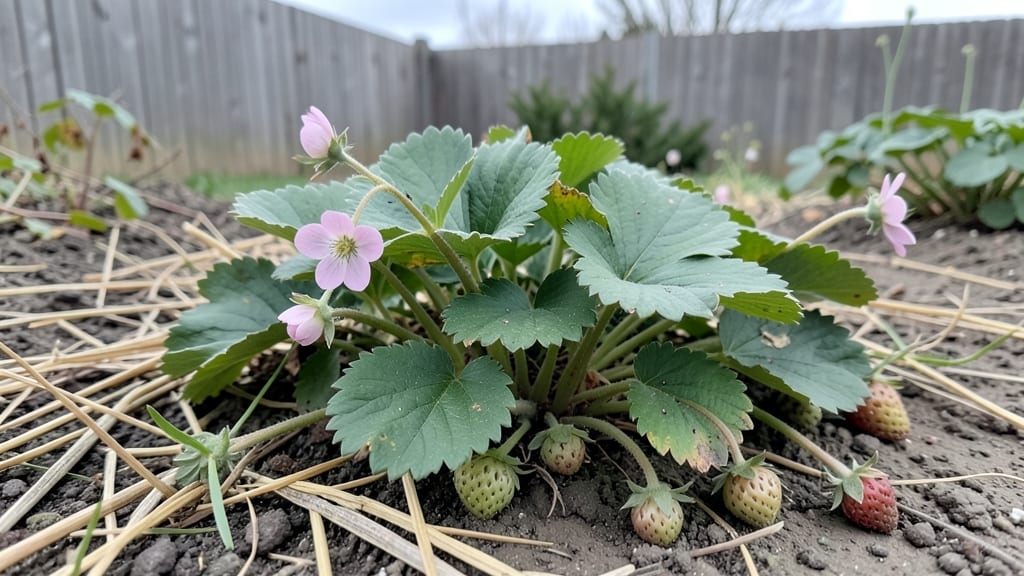
Pink-flowered strawberries are the secret weapon for a garden that dazzles with both beauty and bounty.
Imagine biting into a sweet strawberry that not only tastes divine but also boasts delicate pink, fragrant blooms you can eat—yes, these varieties turn your landscape into a sensory masterpiece while feeding your family.
Their soft petals and subtle vanilla-citrus scent make them a standout in any spring garden design, whether tucked into a flower bed or cascading from a hanging planter.
What makes them even more special is how versatile they are. Pair them with lavender for a romantic border, or let them mingle with herbs like thyme and rosemary for a fragrant, edible garden.
The key is planting them in full sun—at least 6 hours daily—and giving them well-draining soil to keep those blooms happy and the fruit plump.
Below, I’ll share the top varieties to grow, how to coax out the most fragrant flowers, and creative ways to weave them into your outdoor spaces—because why should your garden be just one thing when it can be both beautiful and delicious?
How to identify and select pink flowered strawberry varieties for edible blooms
Pink flowered strawberries aren’t just visually stunning—they’re a culinary treasure with fragrant, edible blooms that elevate any garden. These varieties stand out with their soft pink petals, delicate aroma, and sweet-tart fruit.
Whether you’re designing a romantic cottage garden or a functional edible landscape, these strawberries add a touch of elegance and flavor.
Not all strawberries produce pink blooms, so selecting the right variety is key. Some, like 'Pink Panda', boast deep pink flowers with a subtle vanilla scent, while others like 'Pink Champagne' offer a lighter hue and a more citrusy fragrance.
Each variety brings unique visual and sensory qualities to your garden, making them perfect for both ornamental displays and harvests.
| Variety | Flower Color | Fragrance Profile | Fruit Flavor | Mature Size | Best For |
|---|---|---|---|---|---|
| 'Pink Panda' | Deep pink with white tips | Vanilla and berry | Sweet-tart with tropical notes | 6-8" tall, spreading | Containers and borders |
| 'Pink Champagne' | Soft pink with yellow center | Citrus and floral | Juicy, slightly tart | 4-6" tall, compact | Edible gardens and salads |
| 'Albion' | Blush pink with white | Lightly sweet, subtle | Classic strawberry taste | 8-10" tall, vigorous | Cut flower arrangements |
| 'Seascape' | Light pink with white | Mild, fresh | Sweet and firm | 6-8" tall, sprawling | Ground cover and pollinator gardens |
| 'Mignonette' | Pink with white edges | Delicate, floral | Small but intensely sweet | 4-5" tall, dwarf | Hanging baskets and fairy gardens |
When selecting pink flowered strawberries, consider your garden’s layout and intended use. 'Pink Panda' thrives in containers, making it ideal for patios or balconies, while 'Albion'’s tall stems are perfect for cut flower arrangements. For a pollinator-friendly garden, 'Seascape' spreads beautifully along borders, attracting bees with its fragrant blooms.
Fragrance is another key factor. 'Pink Champagne'’s citrusy scent pairs well with herbs like thyme or rosemary, while 'Mignonette'’s delicate aroma complements lavender or violets.
If you love edible landscaping, these varieties let you harvest both flowers and fruit, adding a dual-purpose beauty to your garden.
Sourcing pink flowered strawberries can be tricky, but reputable nurseries and seed companies like Territorial Seed Company or Baker Creek Heirloom Seeds carry these varieties. Look for bare-root plants in early spring or potted varieties for year-round planting.
Always check USDA hardiness zones—most pink flowered strawberries thrive in zones 5-9.
For the best results, plant in well-draining soil with 6+ hours of sunlight daily. Amend heavy clay soil with compost or sand to improve drainage, and mulch around plants to retain moisture.
These varieties are perennial in warm climates but may need winter protection in colder regions with thick mulch or row covers.
Pro tip: Pair pink flowered strawberries with complementary plants like calendula or nasturtiums to enhance their visual appeal. The contrasting colors create a stunning garden tapestry while attracting beneficial insects. Plus, their edible blooms make for gorgeous garnishes in salads or cocktails!
If you’re new to growing strawberries, start with 'Pink Champagne'—it’s beginner-friendly and produces abundant fruit. For experienced gardeners, 'Pink Panda' offers a showstopping display with its bold pink blooms and tropical fruit.
Whichever you choose, you’ll love the sensory experience of a garden filled with fragrant, edible pink blooms.
Ready to transform your garden? Visit local garden centers or order online from trusted suppliers. With the right variety and care, your pink flowered strawberries will thrive and delight for years to come. 🌷🍓
Step-by-step guide to growing fragrant pink flowered strawberries
Growing fragrant pink flowered strawberries transforms your garden into a sensory paradise, where every bloom is both beautiful and edible. These varieties, like 'Pink Panda' or 'Albion', produce delicate pink flowers with a subtle, sweet fragrance that attracts pollinators while yielding flavorful fruit.
The key to maximizing their aroma and productivity lies in precise planting and ongoing care tailored to their unique needs.
Unlike traditional strawberries, these fragrant varieties thrive with a balance of sunlight, moisture, and pruning to encourage abundant blooms. Whether you're planting in containers or garden beds, following these steps ensures your strawberries will reward you with scented flowers and sweet berries all season long.
Let’s dive into the essential techniques to cultivate these stunning plants successfully.
Grow Fragrant Pink Flowered Strawberries in 6 Simple Steps
- Step 1: Prepare Well-Draining Soil
Test your soil’s pH (ideal: 5.5–6.8) and amend with compost or peat moss to improve drainage. Pink flowered strawberries hate soggy roots, so raise beds or add sand if your soil is clay-heavy. - Step 2: Plant in Full Sun
Choose a spot with 6+ hours of direct sunlight daily. Morning sun and afternoon shade in hot climates prevent stress. Space plants 12–18 inches apart for airflow and easy harvesting. - Step 3: Water Deeply and Consistently
Water at the base of plants in the morning to avoid fungal issues. Aim for 1–1.5 inches of water weekly, adjusting for rain. Mulch with straw to retain moisture and suppress weeds. - Step 4: Prune for More Blooms
After harvest, remove old leaves and runners to redirect energy to new growth. Trim overly dense foliage to improve airflow and reduce disease risk. - Step 5: Fertilize Lightly
Use a balanced 10-10-10 fertilizer sparingly—over-fertilizing reduces fragrance. Apply 1 tablespoon per plant in early spring and after flowering, but avoid nitrogen-heavy feeds. - Step 6: Protect from Pests
Monitor for aphids or spider mites, which drain plant energy. Spray with neem oil or insecticidal soap if needed. Companion plants like basil or marigolds deter pests naturally.
Seasonal maintenance is crucial for fragrant pink flowered strawberries. In spring, focus on pruning and fertilizing to kickstart growth. During summer, prioritize consistent watering and shade cloth if temperatures exceed 90°F.
As fall approaches, reduce watering and let plants enter dormancy naturally, then cover with mulch for winter protection.
To enhance fragrance, avoid overcrowding plants and ensure they receive adequate airflow. Deadhead spent blooms to encourage continuous flowering. With these techniques, your pink flowered strawberries will thrive, offering a scented, edible spectacle from spring to fall.
Pro tip: Harvest fruits when fully colored but still firm to preserve sweetness. Save seeds from the best berries to grow next year’s fragrant varieties—they’re easy to propagate!